Your Guide to Moving Around Melbourne: How to Get Out and Enjoy the City Like a Local
Whether you're cycling through laneways or catching a tram, here's how residents actually navigate Australia's most liveable city.
2 min read
Whether you're cycling through laneways or catching a tram, here's how residents actually navigate Australia's most liveable city.
2 min read
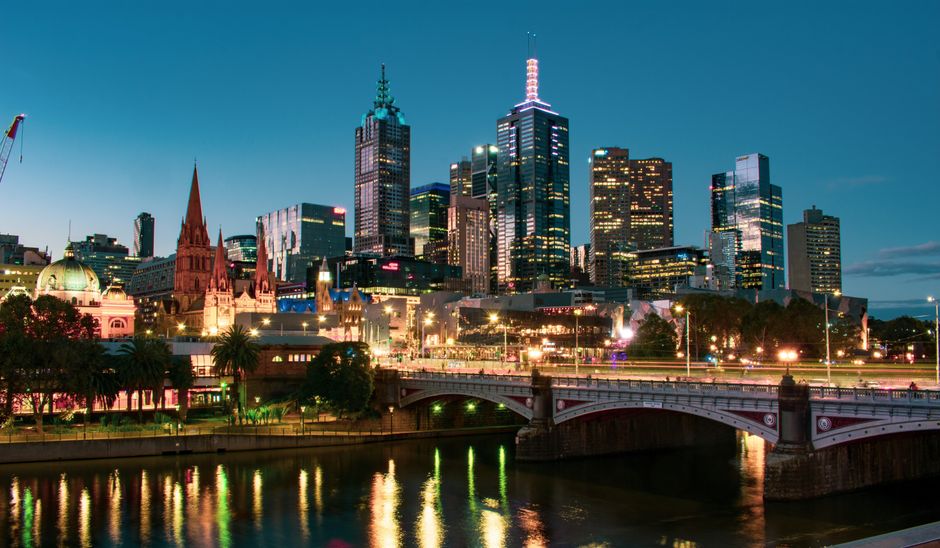
Melbourne's reputation for walkability and transport options is well-earned, but knowing how to leverage them transforms your experience of the city. For residents ready to truly explore beyond their neighbourhood, understanding the layered transport network is essential.
The tram network remains the backbone of local movement. With 250 kilometres of track, trams connect you from the CBD to outer suburbs like Footscray, Coburg and Croydon. A myki card—available from any 7-Eleven or convenience store—costs $6 and lets you hop between trams, buses and trains with zone-based pricing. A daily cap sits around $9.80 for two zones, making unlimited exploration affordable. Inner-city trams, particularly along routes like the 1 down Swanston Street or the 109 to Port Melbourne, offer the quintessential Melbourne experience while avoiding parking headaches.
Cycling has transformed commuting patterns since the CBD's network expanded to outer suburbs. Routes like the Yarra River Trail connect Abbotsford to Southbank effortlessly, while the Main Yarra Trail extends 38 kilometres to the Dandenong Ranges. Melbourne Bike Share—with 700 bikes at 70 stations—offers casual access at around $13 for a day pass. For serious cyclists, investing in a second-hand fixed-gear from shops on Gertrude Street in Fitzroy costs $150–300 and pays dividends.
The train network serves those commuting to Geelong, Bendigo or the Dandenong Ranges. Weekend explorer passes ($9–15) unlock regional discoveries; locals regularly escape to charming towns like Belgrave or Daylesford.
Walking, however, remains underrated. Melbourne's laneway culture—from Centre Place to Union Lane—only reveals itself on foot. Precincts like Collingwood, Brunswick and South Yarra are 20–30 minute walks from each other, rewarding pedestrian exploration with independent cafes, galleries and hidden bars.
Ride-sharing services like Uber and local app GoCatch provide fallback options for late nights or rainy evenings, typically $15–25 for short inner-city trips. Parking in the CBD averages $20–30 daily, making it an expensive habit.
The real secret to enjoying Melbourne's lifestyle is combining these options. Cycle to the tram stop, take the train to a regional town, then explore on foot. Mix daily commuting with spontaneous detours. The city's transport infrastructure exists not just to move you efficiently, but to invite exploration. Making that shift—from destination-focused travel to journey-focused discovery—is what separates residents from visitors.
This article was compiled by AI from the sources linked above and screened before publishing. See our editorial standards.
About this article
Published by The Daily Melbourne
Daily brief
Free, in your inbox before 7am. Weekdays.
You might also like
Lifestyle
Lifestyle
Lifestyle

Lifestyle
Free daily briefing