Melbourne's Nightlife Has Quietly Transformed—Here's Why Locals Can't Get Enough
From intimate craft cocktail bars to inclusive late-night venues, the city's evening scene has evolved in ways that have locals rethinking their weekends.
3 min read
From intimate craft cocktail bars to inclusive late-night venues, the city's evening scene has evolved in ways that have locals rethinking their weekends.
3 min read
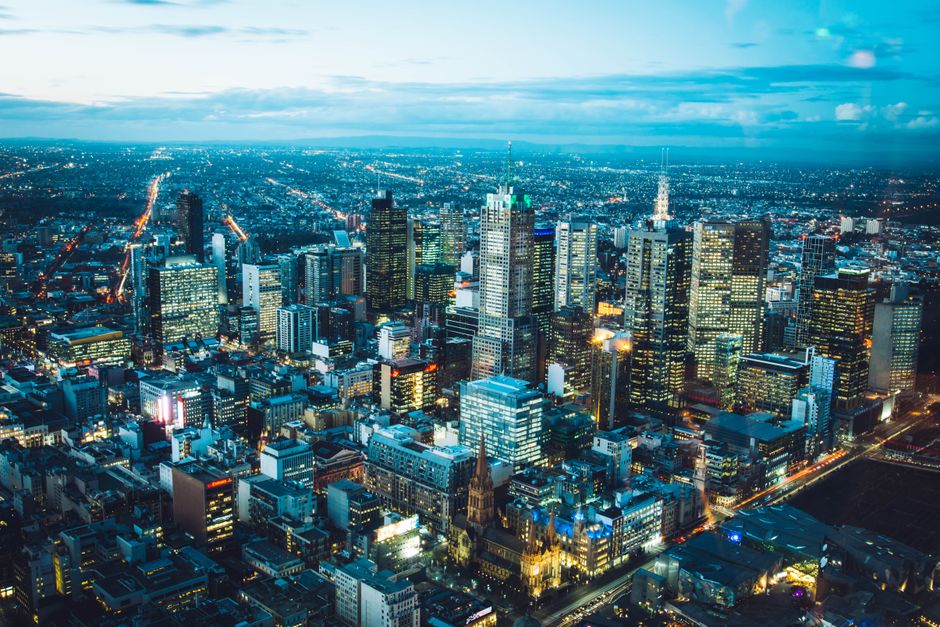
Walk down Gertrude Street in Fitzroy on a Friday night and you'll notice something has shifted. The neighbourhood's bar scene—once dominated by loud, beer-fuelled pubs—now hums with a more intentional energy. Over the past 18 months, Melbourne's nightlife has undergone a subtle but significant transformation, driven by changing consumer preferences, hospitality innovation, and a younger demographic prioritising experience over excess.
The most visible change has been the rise of what hospitality experts call "third spaces"—venues that sit between home and work, designed for genuine connection rather than just drinking. Collingwood's laneway bars have embraced this shift, with several venues introducing board game nights, live acoustic performances, and zero-alcohol options that take up to 20 per cent of sales at some establishments. Chapel Street's traditionally high-volume clubs have given way to boutique listening bars and wine lounges, reflecting a broader industry trend toward sophistication and sustainability.
Data from Hospitality Victoria suggests that venues offering craft non-alcoholic beverages have seen 35 per cent growth in foot traffic since 2024, while traditional nightclubs have contracted by roughly 12 per cent. It's a telling statistic in a city that's always prided itself on being at the cutting edge of social culture.
The shift also reflects changing values among Melbourne's 25-40 demographic, who now represent the largest segment of nightlife consumers. This group is more likely to choose venues with strong community engagement, diverse programming, and inclusive atmospheres. The CBD's emerging bar scene around Hardware Lane—historically a corporate drinking zone—has recently welcomed speakeasy-style venues and cultural event spaces that blur the line between nightlife and arts.
South Yarra and St Kilda Road have seen perhaps the most dramatic reinvention. Where mega-bars once dominated, smaller independent venues now thrive, many with curated wine lists, expert staff, and price points that don't require a second mortgage. A cocktail might cost $18-22, down from the $25-30 premium charged five years ago, suggesting healthy competition among smaller operators.
Local venue owners point to pandemic-era rethinking as a catalyst. When lockdowns ended, many hospitality professionals made deliberate choices to build venues reflecting their values rather than chasing maximum capacity. The result feels less like a night out and more like stepping into someone's home—albeit a very well-stocked, expertly designed home.
For Melburnians tired of the old formula, it's a welcome evolution. The city's nightlife hasn't gone quiet; it's simply grown up.
This article was compiled by AI from the sources linked above and screened before publishing. See our editorial standards.
About this article
Published by The Daily Melbourne
Daily brief
Free, in your inbox before 7am. Weekdays.
You might also like
Lifestyle
Lifestyle
Lifestyle

Lifestyle
Free daily briefing