Your practical guide to moving around Melbourne like a local
From the iconic tram network to bike lanes and hidden laneways, here's how to navigate the city efficiently and discover the best it has to offer.
2 min read
From the iconic tram network to bike lanes and hidden laneways, here's how to navigate the city efficiently and discover the best it has to offer.
2 min read
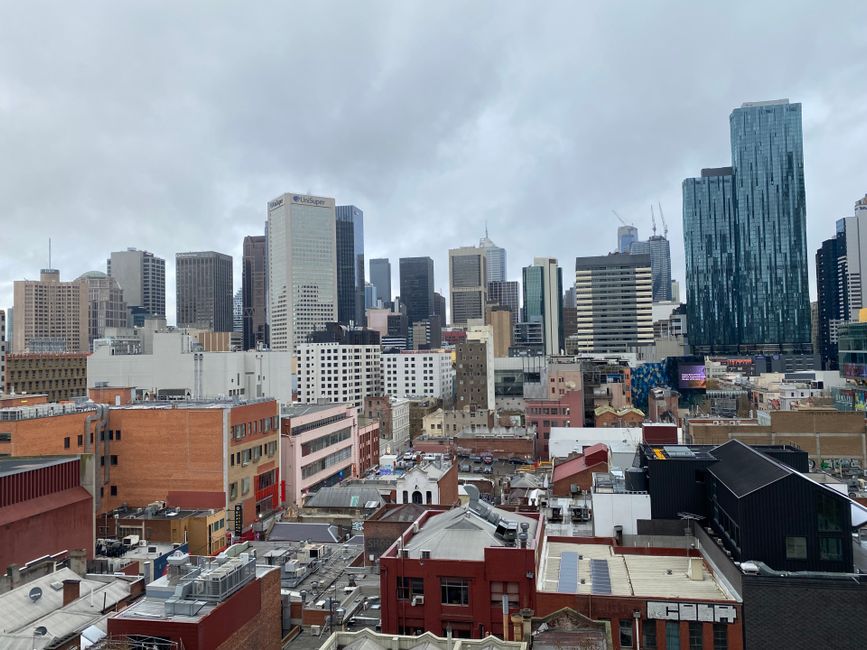
Melbourne's reputation for livability hinges partly on how easy it is to get around. Whether you're commuting to work in the CBD or exploring neighbourhood gems from Fitzroy to South Yarra, understanding your transport options transforms how you experience the city.
The tram network remains the city's backbone. With over 250 kilometres of track, the system connects inner suburbs to the CBD efficiently. A myki card—available at convenience stores and stations—costs around $10, with daily caps at $9.50 on weekdays. Free tram travel applies within the City Loop for 15 minutes between stops, ideal for quick inner-city hops. The 109 tram, running along King Street in West Melbourne, remains popular for restaurant-hopping, while the 96 to St Kilda Beach offers weekend escape routes.
Cycling infrastructure has expanded dramatically. Melbourne now has over 800 kilometres of bicycle routes, with dedicated lanes on streets like Swanston Street and separated paths along the Yarra Trail. Bike Share Melbourne offers affordable hourly rentals—$3.80 for 30 minutes—with 50 stations across inner suburbs. Helmet hire is available at most stations, meeting legal requirements.
For longer commutes, trains via Metro Trains Melbourne serve the metro area, though recent performance issues mean checking real-time updates is essential. The app VicRoads Journey Planner integrates all transport modes, helping you plan multi-modal trips combining trains, trams and buses.
Ride-sharing services operate widely, though peak-hour surge pricing can inflate costs significantly. Rideshare typically costs $15–$30 for inner-suburban trips during off-peak hours.
Walking remains underrated. Melbourne's famous laneways—Hosier Lane, Centre Place, Acland Street's pedestrian sections—reveal street art, hidden cafés and character impossible to experience by vehicle. The city's flat topography and relatively compact inner suburbs make walking practical for many journeys.
Parking is expensive and inconsistent; expect $30–$50 daily in the CBD. Residential permit schemes apply in most inner suburbs, making street parking challenging for visitors with vehicles.
Smart commuting means matching transport to your journey. Use trams for CBD access, bikes for local neighbourhood exploration, and walking for discovering the laneways and parks that define Melbourne's lifestyle appeal. Planning ahead—checking timetables, understanding myki options, and downloading navigation apps—transforms daily movement into an opportunity to engage with the city's diverse character rather than merely traverse it.
This article was compiled by AI from the sources linked above and screened before publishing. See our editorial standards.
About this article
Published by The Daily Melbourne
Daily brief
Free, in your inbox before 7am. Weekdays.
You might also like
Lifestyle
Lifestyle
Lifestyle

Lifestyle
Free daily briefing