Affordable Melbourne Suburbs Outpacing Bayside: 2024 Data
Coburg, Preston, and Sunshine deliver 8-12% growth while buyers discover renovation homes under $1M. Melbourne's smartest property investors are shifting focus.
2 min read
Coburg, Preston, and Sunshine deliver 8-12% growth while buyers discover renovation homes under $1M. Melbourne's smartest property investors are shifting focus.
2 min read
Listen to this article · 3:35
Melbourne's property market is telling two very different stories right now, and savvy buyers are beginning to tune into the one that doesn't make headlines.
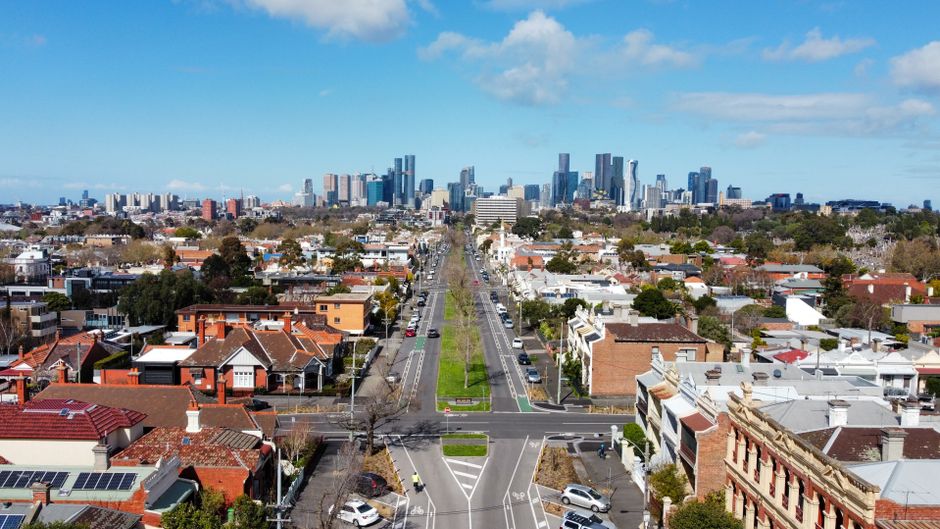
While Bayside suburbs continue to dominate auction results and celebrity real estate gossip, data reveals a more compelling narrative unfolding in the city's middle ring. Suburbs like Coburg, Preston, and Sunshine have posted median price growth of 8-12 per cent over the past 18 months, outpacing some of their more celebrated neighbours in Box Hill and Glen Waverley where growth has stalled at 3-5 per cent.
"We're seeing a fascinating correction happen in real time," says local market analyst David Chen. "Buyers priced out of the Inner East at $1.2 million are discovering they can get a renovated four-bedroom home in Coburg for $895,000 with the same lifestyle amenities."
The numbers support this shift. Victorian median house prices sit around $920,000, but pockets of the inner west are trading 15-20 per cent below that benchmark while maintaining strong proximity to employment hubs, schools, and transport. Frankston corridor properties—traditionally viewed as commuter territory—are now attracting owner-occupiers and investors alike, with median prices climbing from $680,000 to $745,000 in 12 months.
Unit markets tell an equally interesting tale. Melbourne's median unit price hovers near $620,000, but new off-the-plan projects in Coburg and Northcote are shifting that perception. Three-bedroom apartments in these precincts are launching at $550,000-$600,000, making them genuinely affordable for families previously locked out of the market entirely.
What's driving this migration beyond price? Infrastructure spending on the Frankston Line, new schools in growth corridors, and a generation of remote workers who no longer need to live within 5km of the CBD. The pandemic accelerated this shift, but it's now structural.
First-home buyers, even with the state's extended $30,000 grant, remain squeezed at the lower end. Yet those willing to look beyond Instagram-famous suburbs are finding genuine value. A renovated weatherboard in Coburg today could be the next Fitzroy—a neighbourhood that transformed from affordable fringe to $1.3 million median in a single decade.
As Melbourne's election looms and policy debates focus on grants and first-home support, the market is already voting with its feet. The real bargains aren't disappearing; they're just shifting postcode.
This article was compiled by AI from the sources linked above and screened before publishing. See our editorial standards.
About this article
Published by The Daily Melbourne
Daily brief
Free, in your inbox before 7am. Weekdays.
You might also like
Free daily briefing