Melbourne Apartment Prices: Southbank's $580m Tower Shifts Market
Southbank's $580m mixed-use tower with 320 apartments reshapes inner Melbourne's apartment affordability and buyer competition across key precincts.
3 min read
Southbank's $580m mixed-use tower with 320 apartments reshapes inner Melbourne's apartment affordability and buyer competition across key precincts.
3 min read
Listen to this article · 4:08
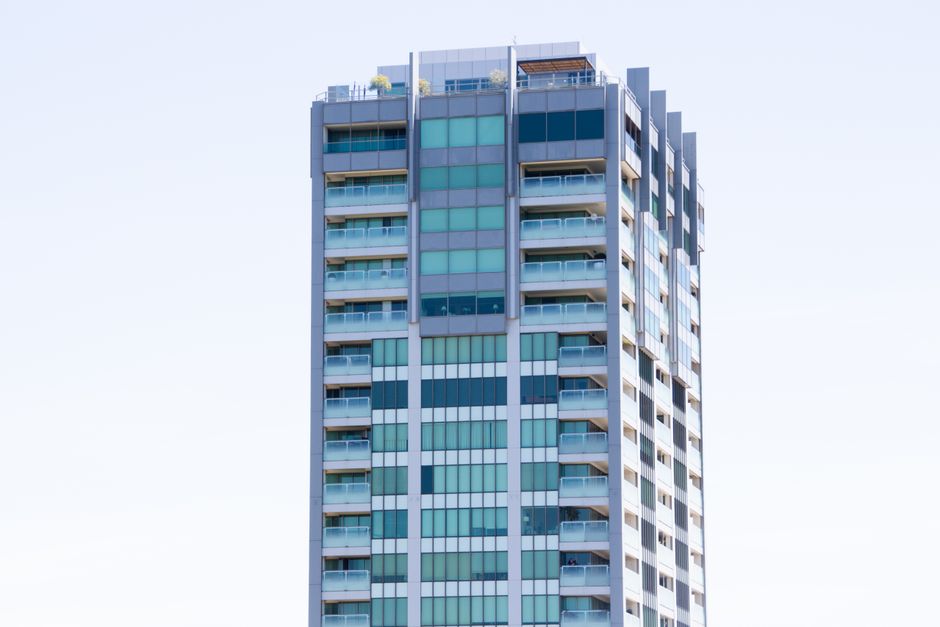
The green light for a 48-storey residential tower in Southbank—featuring 320 apartments ranging from studios to three-bedroom layouts—is the latest signal that Melbourne's unit market is undergoing a significant structural realignment.
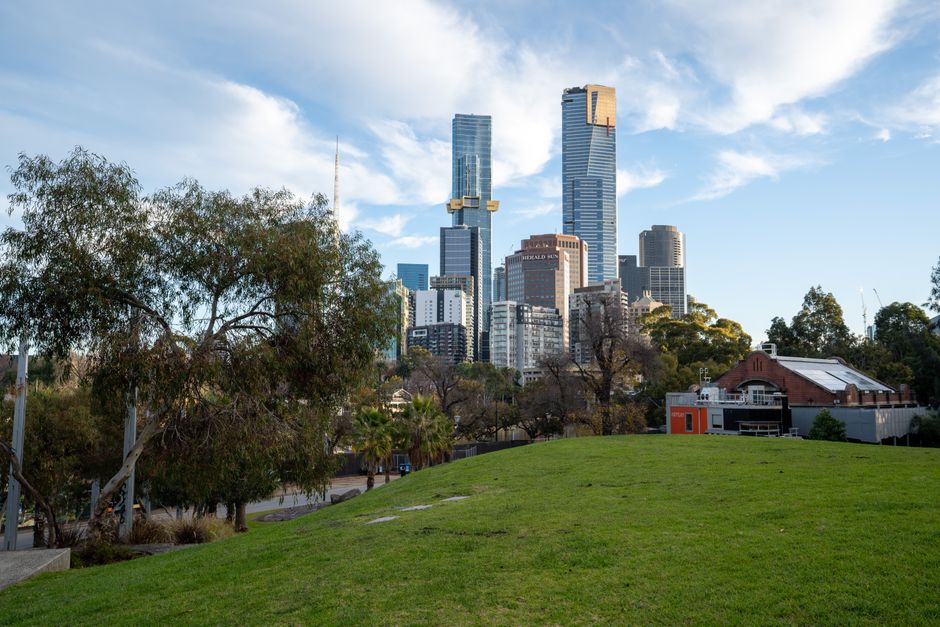
The $580 million development, approved this month for a site straddling Kavanagh Street and City Road, will deliver roughly 15 per cent of Southbank's anticipated 2026–2027 apartment completions. But its real impact extends far beyond precinct supply figures. It represents the kind of large-scale, mixed-tenure project that's beginning to reshape buyer expectations across suburbs where unit values have already softened.
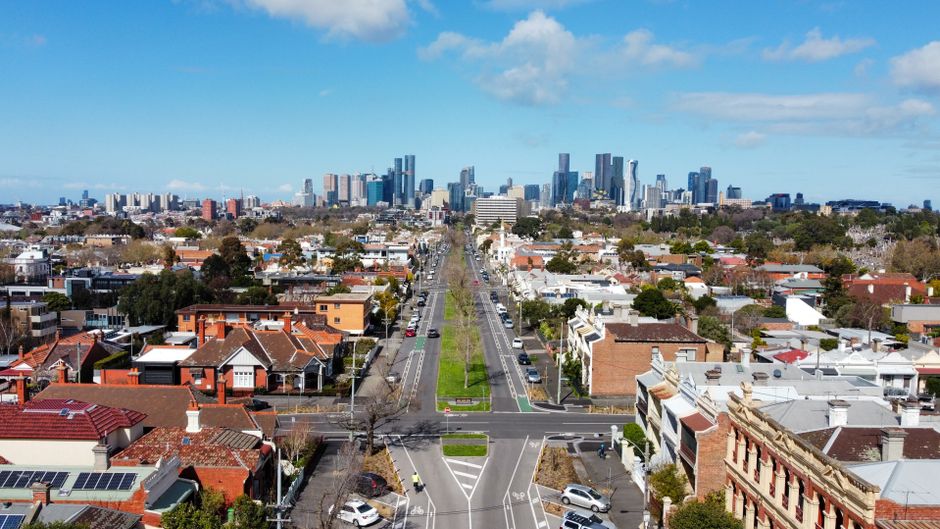
Melbourne's unit median sits at $620,000—a figure that masks sharp divergence by location. Bayside precincts like St Kilda Road command significant premiums, with comparable two-bedroom apartments ranging $750,000–$950,000. Southbank, sitting at roughly $680,000 median, has become an increasingly accessible alternative for buyers priced out of premium inner-ring suburbs yet seeking walkable, service-rich inner-city living.
"What we're seeing is a flight to value within proximity," says Marcus Chen, director of research at Melbourne Property Institute. "Buyers who might have targeted Docklands or Southbank five years ago are now watching new towers like this one carefully. They signal both supply and a stabilising price environment."
The Southbank tower's mix is telling: 40 per cent of apartments will sit below $600,000, targeting first-home buyers and investors squeezed by the reality that the First Home Owners Grant—maxing out at $15,000 statewide—no longer stretches far enough in inner Melbourne. The developer's willingness to include affordability tiers suggests confidence in sustained demand, even as competition intensifies.
For suburbs further afield—the Frankston corridor, Box Hill, and even Werribee—the ripple effect may prove more acute. Large-format apartment towers in established inner-ring locations have historically cannabilised demand from second and third-ring suburbs. Yet current migration demand into Melbourne remains robust enough that established apartment precincts aren't yet cannibalising outer-growth markets wholesale.
What may shift, however, is buyer psychology. A buyer with $650,000 to spend now faces a genuine choice: secure a newer two-bedroom in Southbank with shared facilities and walkable retailers, or commit to an older stockist apartment in Footscray or Coburg. That calculus, repeated across thousands of transactions, reshapes entire market trajectories.
The Southbank tower's 2028 completion date means its impact won't be immediate. But when it arrives, it will become the market's latest barometer—one measuring not just supply, but where Melbourne's next generation of apartment buyers believe value truly lies.
This article was compiled by AI from the sources linked above and screened before publishing. See our editorial standards.
About this article
Published by The Daily Melbourne
Daily brief
Free, in your inbox before 7am. Weekdays.
You might also like
Free daily briefing