Safety in Melbourne: Understanding the City's Crime Picture
Victoria Police data provides a nuanced picture of safety in Australia's second city.
2 min read
Victoria Police data provides a nuanced picture of safety in Australia's second city.
2 min read
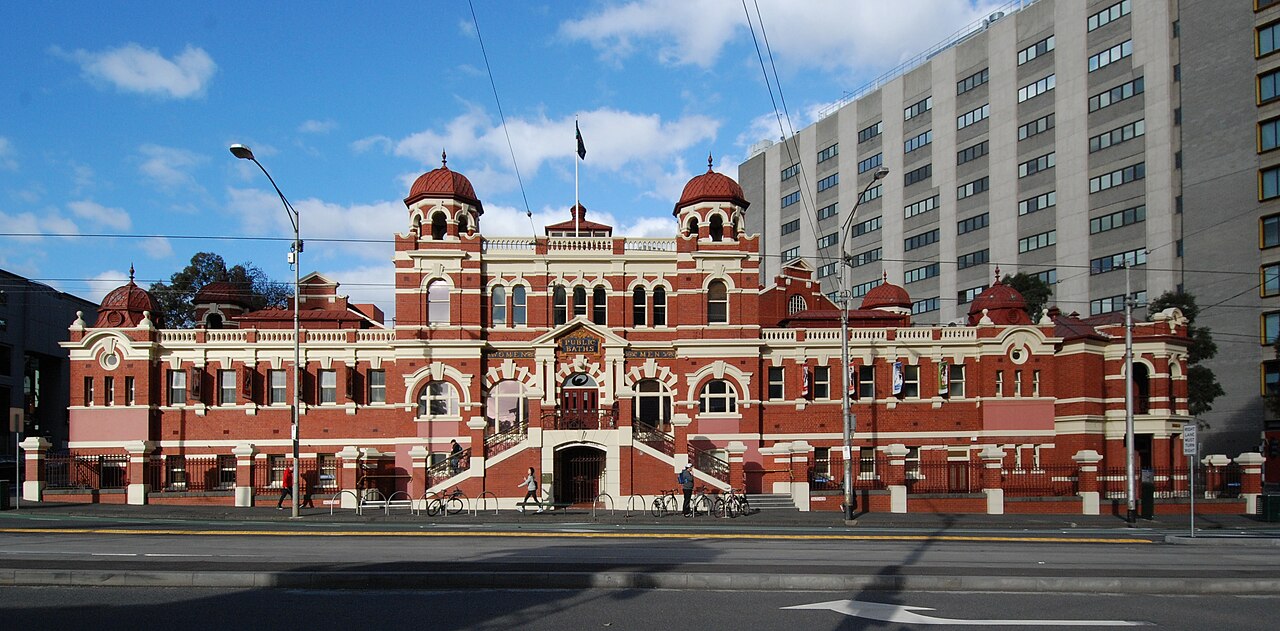
Melbourne's safety profile has been a recurring subject of public debate, with periodic spikes in specific crime categories generating media coverage that can create perceptions that diverge significantly from the statistical picture that Victoria Police crime data provides. The city is, by any objective measure, among the safest large cities in the world, with violent crime rates that are a fraction of comparable cities in North America and Europe, but the experience of crime in specific precincts and for specific community groups is more uneven than aggregate statistics suggest.
The CBD and adjacent entertainment precincts have experienced periods of elevated incidents associated with the night economy, where the concentration of alcohol consumption and the reduced social inhibitions of a weekend crowd create conditions for conflict that spill over into public spaces. Victoria Police's deployment strategies in these precincts have evolved in response to incident patterns, with increased foot patrols and CCTV coverage supported by evidence of their deterrent effect.
Family violence remains the most significant and persistent public safety challenge in Victoria, with reporting rates that have increased following the Royal Commission into Family Violence and the associated expansion of victim services. The increase in reporting reflects improved victim confidence in the system and reduced social stigma rather than an increase in incidence, a nuance that public discussion of the statistics does not always capture.
The intersection of mental health and public safety has received increasing attention as the consequences of inadequate community mental health services appear in police interactions with individuals experiencing mental health crises. Victoria Police's mental health training and co-responder models, which pair police with mental health clinicians for specific call types, reflect a growing recognition that law enforcement alone is not the appropriate response to all incidents that result in police attendance.
This article was compiled by AI and screened before publishing. See our editorial standards.
Partner Content
SponsoredPartner Content lets Melbourne businesses reach engaged local readers with a clearly labelled, editorial-style feature. Every placement is marked Sponsored, in line with our sponsored content policy.
About this article
Published by The Daily Melbourne
Daily brief
Free, in your inbox before 7am. Weekdays.
You might also like

News

News
News

News
Free daily briefing
The Daily Network