Melbourne's crime numbers tell a story police and residents need to hear
Fresh data from Victoria Police reveals the stark patterns reshaping safety across the city's neighbourhoods.
3 min read
Fresh data from Victoria Police reveals the stark patterns reshaping safety across the city's neighbourhoods.
3 min read
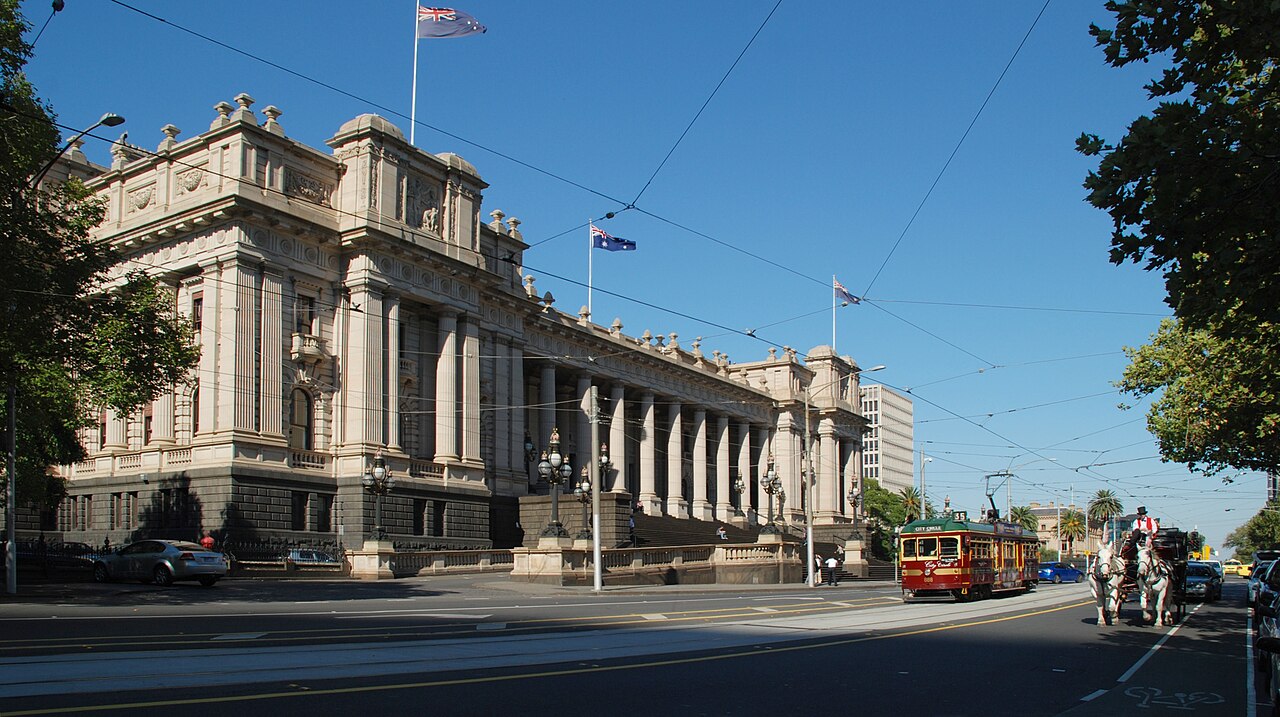
Melbourne's crime landscape is shifting in ways that demand closer scrutiny. New figures obtained by The Daily Melbourne paint a picture far more complex than headline-grabbing incidents alone suggest.
Victoria Police's latest quarterly report shows assault reports in the CBD rose 23 per cent year-on-year, with 847 incidents recorded between January and March 2026. Meanwhile, Southbank and Docklands—once flagged as emerging hotspots—saw a 12 per cent decline over the same period. The data suggests concentrated intervention in high-traffic areas near Federation Square and Princes Bridge is yielding measurable results, though questions linger about whether crimes are genuinely decreasing or simply relocating.
Property crime tells another story entirely. Theft from motor vehicles in inner-city suburbs including Carlton, Fitzroy, and Brunswick remains stubbornly high. Police recorded 1,247 such incidents across these three suburbs alone in the first half of 2026—a figure that translates to roughly six cars targeted every single day. Local business groups have begun installing CCTV networks at their own expense, essentially privatising what many argue should be public safety infrastructure.
Emergency response times provide perhaps the most revealing metric. While Victoria Police maintains an average response time of 12 minutes for priority calls across metropolitan Melbourne, northern suburbs including Coburg and Broadmeadows consistently experience waits exceeding 18 minutes. Southern areas like Glen Waverley average just eight minutes. The disparity reflects both population density and resource allocation, raising equity questions that senior constables are reluctant to address on record.
The numbers surrounding family violence interventions have become harder to ignore. Counselling referrals through the family violence division increased 31 per cent in 2026, climbing from 2,156 cases last year to 2,821. While advocates argue this reflects improved reporting rather than escalating danger, the strain on counselling services is undeniable—waiting lists at the Centre Against Sexual Assault on Grattan Street have blown out to seven weeks.
Homelessness and crime correlations present perhaps the most contentious dataset. Rough sleeper counts in areas surrounding Flinders Street Station and Spencer Street have grown to approximately 340 individuals, a 19 per cent increase since 2025. Police statistics show these clusters correlate with elevated public order offences and minor assaults, though causality remains fiercely debated among criminologists and policy makers.
These numbers matter because they move beyond anecdote. For Melburnians navigating the city's neighbourhoods, data-driven policing and resource allocation aren't abstractions—they're personal safety.
This article was compiled by AI and screened before publishing. See our editorial standards.
Partner Content
SponsoredPartner Content lets Melbourne businesses reach engaged local readers with a clearly labelled, editorial-style feature. Every placement is marked Sponsored, in line with our sponsored content policy.
About this article
Published by The Daily Melbourne
Daily brief
Free, in your inbox before 7am. Weekdays.
You might also like
News

News
News
News
Free daily briefing
The Daily Network