Melbourne's transport future hinges on vision from planners and industry voices
As major projects reshape the city's corridors, officials and experts outline what's needed to keep pace with growth.
3 min read
As major projects reshape the city's corridors, officials and experts outline what's needed to keep pace with growth.
3 min read
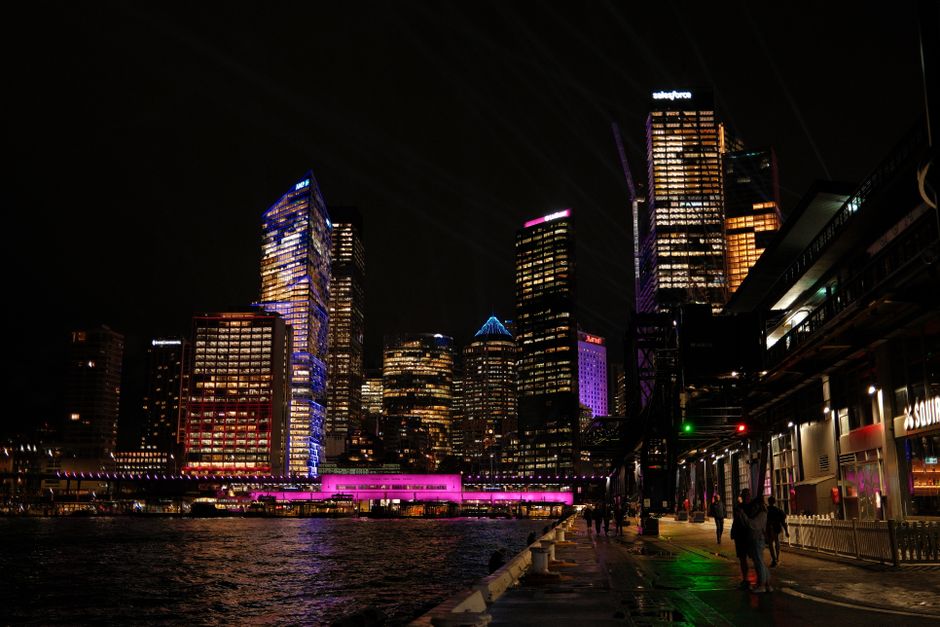
Melbourne's transport infrastructure faces a critical juncture as planners and industry leaders debate priorities for a city that has grown by more than 100,000 residents in the past three years alone.
The Metropolitan Planning Authority's latest strategic framework, released earlier this year, has prompted fresh commentary from transport engineers, local councillors, and business groups about what the city's arterial networks—and those beyond them—actually need.
The Suburban Rail Loop, now under construction through suburbs including Cheltenham and Box Hill, represents one of the most significant commitments to orbital connectivity. Officials at the Department of Transport and Planning have repeatedly emphasised that reducing reliance on radial lines into the CBD is essential as outer suburbs like Pakenham, Casey, and Frankston continue to densify. Industry analysts note the $50 billion investment reflects acknowledgment that the city's traditional hub-and-spoke model is unsustainable.
But voices in planning circles remain cautious about timelines. The Preston to Reservoir section alone is now expected to open in 2033—a delay that has prompted discussion among transport planners about whether staged delivery creates its own inefficiencies.
Meanwhile, congestion on the Western Ring Road and the M1 corridor near Dandenong has refocused attention on whether road capacity expansion remains viable. Senior planners at the VicRoads equivalent have pivoted toward emphasising integrated public transport and land-use coordination, a messaging shift that reflects changing professional consensus.
Local government representatives, particularly from growth councils like Melton and Whittlesea, have called for greater investment in local active transport infrastructure. Council leaders argue that pedestrian and cycling networks—often underfunded relative to major projects—are essential for liveable, sustainable suburbs. The City of Melbourne's recent cycling plan targets 30 per cent of trips by bike by 2030, though critics question whether facilities on streets like Swanston Street and Bourke Street will achieve this without further integration.
Property and development voices have also entered the conversation. The Urban Development Institute of Australia Victoria has stressed that transport investment and zoning reform must move in tandem; without rezoning around stations and precincts, infrastructure gains risk being underutilised.
Academic transport researchers from RMIT and the University of Melbourne have published analysis suggesting Melbourne's challenge is not capacity alone but coordination—ensuring planning, funding, and project delivery align across multiple agencies and jurisdictions.
As the city approaches its projected population of 6 million within a decade, officials acknowledge the current trajectory of planning requires genuine rethink. Whether that consensus translates into decisive action remains the critical question.
This article was compiled by AI from the sources linked above and screened before publishing. See our editorial standards.
About this article
Published by The Daily Melbourne
Daily brief
Free, in your inbox before 7am. Weekdays.
You might also like
News
News
News
News
Free daily briefing