Melbourne Embraces Kitschy Coastal Art as Global Cities Reject Lowbrow Culture
Gerwyn Davies' irreverent take on sunburnt Australiana reveals why Victoria's capital is winning the battle to celebrate lowbrow culture without apology.
2 min read
Gerwyn Davies' irreverent take on sunburnt Australiana reveals why Victoria's capital is winning the battle to celebrate lowbrow culture without apology.
2 min read
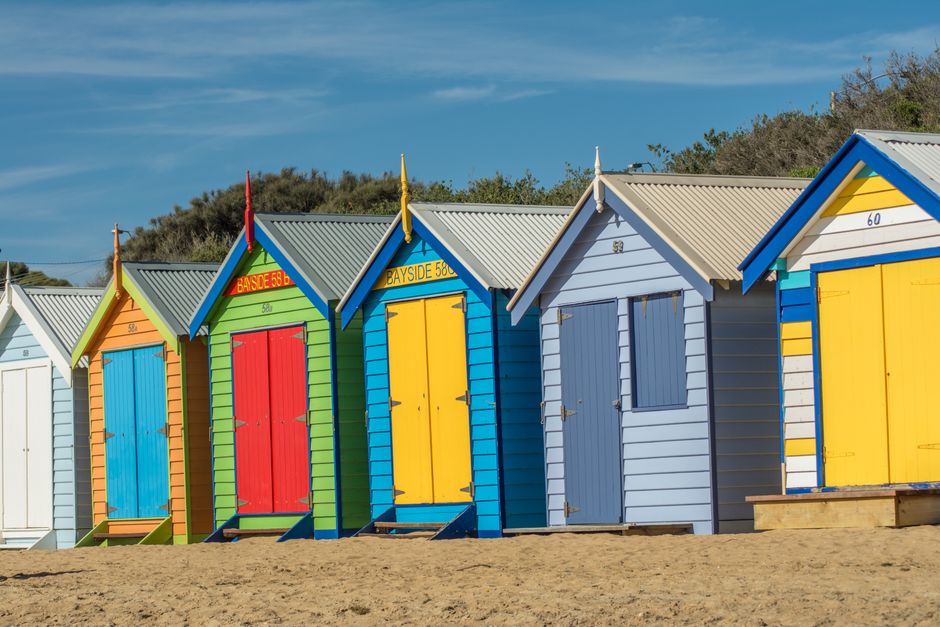
Gerwyn Davies' latest exhibition, now showing at the Abbotsford Contemporary, has sparked a curious moment in Melbourne's cultural conversation: the city is finally comfortable enough to celebrate the garish, the tacky, and the unapologetically Australian without irony or defensiveness.
Davies' vibrant, surrealist reimagining of coastal kitsch—faded beach shacks, sunburnt ochres, and retro caravan parks rendered in oil and acrylic—represents something larger than one artist's obsession. It reflects how Melbourne, unlike comparable global cities, is learning to reclaim cultural vernacular without gentrifying or sterilising it.
Consider the contrast. In Sydney's Bondi, coastal Australiana has been commodified into luxury experiences: $8 flat whites and $2,500-a-month studio apartments with "authentic" coastal vibes. Los Angeles has similarly monetised its beach culture into Instagram-friendly sterility. Barcelona's Gothic Quarter markets its past like a theme park. Melbourne, by contrast, still has neighbourhoods like Footscray and Brunswick where Davies' subjects—the genuine article—actually exist: weathered fibro houses, migrant-run fish-and-chip shops, community gardens that haven't been "activated" into craft precincts.
The Abbotsford venue itself signals something deliberate. Rather than sequestering Davies' work in a CBD gallery, the Southside location sits within an actual working-class neighbourhood where many of his subjects were photographed. Local residents pass his paintings daily, not as tourists consuming curated culture, but as people recognising their own streets.
Melbourne's $2.3 billion cultural sector has increasingly privileged accessibility over exclusivity—a philosophy distinctly at odds with global precedent. Where London's Tate Modern markets "high art," and New York's galleries function as investment vehicles, Melbourne institutions from the NGV to smaller independent spaces have cultivated permission structures for lowbrow aesthetics.
The housing density reforms currently debated across Melbourne's inner suburbs also matter here. As DA approvals climb and blocks subdivide, there's urgency in documenting—and celebrating—what Davies calls "the last authentic coastal vernacular." His work arrives at a moment when Victorians are confronting whether progress requires erasure.
Davies' exhibition runs until August 15, and early attendance figures suggest Melbourne audiences are hungry for this particular reckoning: art that doesn't apologise for loving the ugly, the weathered, the genuinely Australian. Globally, that's increasingly rare.
This article was compiled by AI and screened before publishing. See our editorial standards.
Partner Content
SponsoredPartner Content lets Melbourne businesses reach engaged local readers with a clearly labelled, editorial-style feature. Every placement is marked Sponsored, in line with our sponsored content policy.
About this article
Published by The Daily Melbourne
Daily brief
Free, in your inbox before 7am. Weekdays.
You might also like
Free daily briefing
The Daily Network