Melbourne Opposition Faces Leadership Crisis While Rival Cities Chart Forward Progress
As the Victorian Liberal Party faces another leadership transition, comparative cities worldwide show what genuine renewal actually requires.
3 min read
As the Victorian Liberal Party faces another leadership transition, comparative cities worldwide show what genuine renewal actually requires.
3 min read
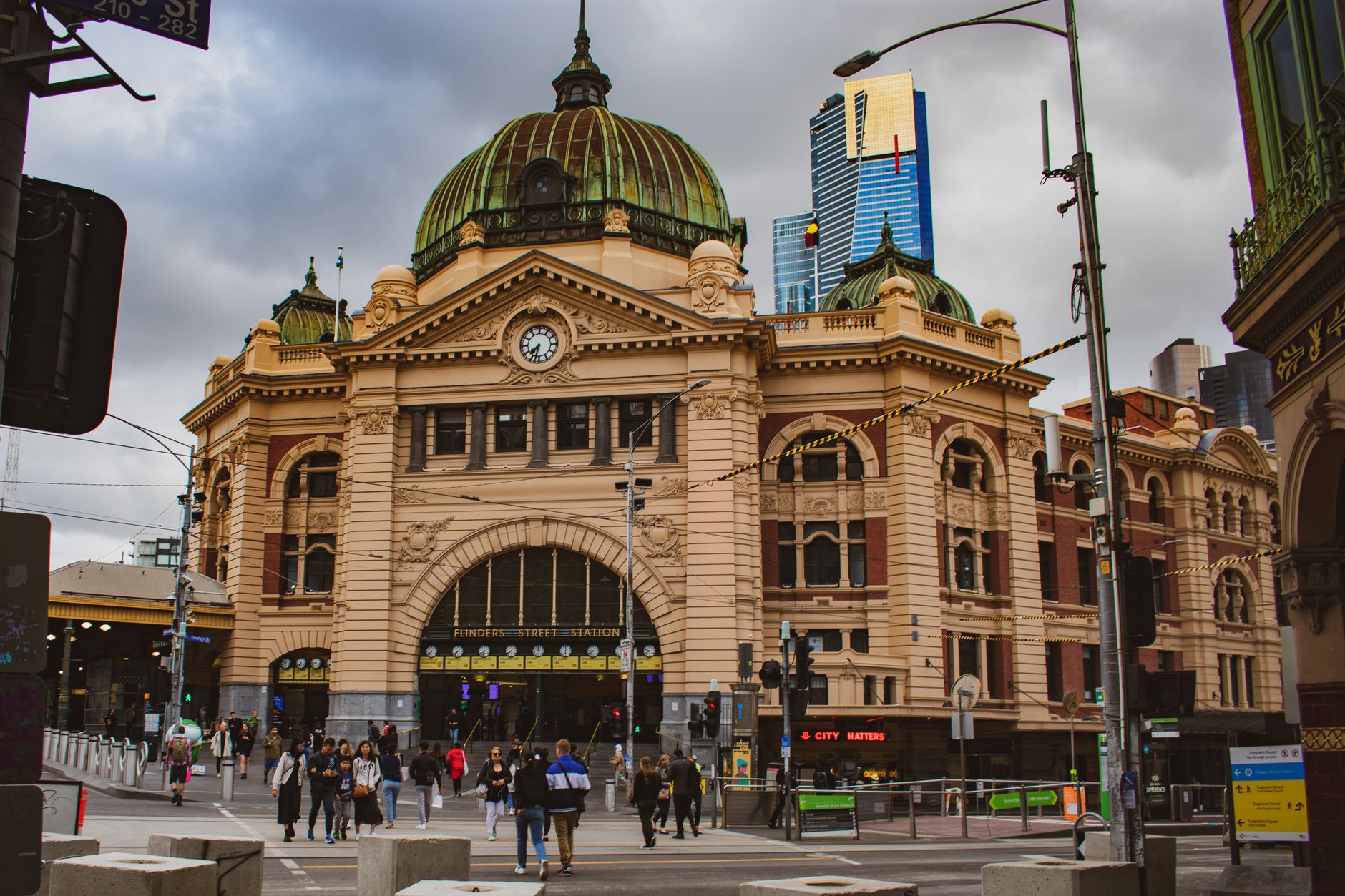
Melbourne has long prided itself on being Australia's cultural bellwether, yet the city's political landscape increasingly resembles a holding pattern. With the Victorian Liberal Party navigating yet another leadership recalibration, the contrast between local stagnation and decisive action elsewhere is becoming impossible to ignore.
Consider what's happening in comparable cities across the globe. Toronto, facing similar progressive dominance under consecutive Liberal administrations, saw its Conservative opposition mount a genuine ideological reset—reshaping messaging on housing, infrastructure, and worker protections to offer voters a substantive alternative rather than recycled positions. Vancouver, meanwhile, watched its centre-right opposition rebuild from near-irrelevance by engaging directly with the concerns driving its diverse communities: housing affordability, transit equity, and small business support.
Melbourne's opposition, by contrast, finds itself caught in perpetual rebranding exercises rather than fundamental reimagining. The city faces concrete crises—housing density reform generating fierce Toorak-to-Footscray tensions, industrial relations flashpoints around construction unions, climate transition anxiety among outer suburbs—yet opposition messaging remains diffuse. A three-bedroom home in Coburg now averages $925,000, inner-ring suburbs like Collingwood have undergone wholesale demographic transformation, and the outer west grapples with energy costs. These aren't hypothetical policy problems.
The Labor government, despite CFMEU tensions and housing reform controversy, at least projects a coherent vision: densification as urban inevitability, renewable energy as economic opportunity, cultural diversity as competitive advantage. Whether voters embrace it or not, there's clarity. The Opposition has offered rotating personnel without matching ideological consistency—an approach that's failed in similar contexts from Montreal to Stuttgart, where opposition parties that merely awaited electoral fatigue found themselves perpetually outmanoeuvred by governments that owned the narrative.
What Melbourne's Opposition might learn from elsewhere is this: cities where opposition parties successfully challenged entrenched governments didn't do so through leadership reshuffles alone. They rebuilt from principle outward—identifying what their communities actually valued, then articulating how their vision genuinely differed. Melbourne's outer suburbs want density paired with affordability guarantees and transport infrastructure. The CBD needs cultural funding certainty. Migrant communities across the western suburbs need economic pathways, not tokenistic diversity statements.
A rebrand without rebuild is simply theatre. Until Melbourne's Liberal Party moves beyond personnel rotation to substantive policy architecture, voters will rightfully treat each new leadership face as another iteration of familiar inadequacy. In Toronto, Vancouver, and beyond, opposition parties that mattered first identified their city's genuine anxiety, then offered something voters hadn't heard before.
Melbourne deserves better than this.
This article was compiled by AI and screened before publishing. See our editorial standards.
Partner Content
SponsoredPartner Content lets Melbourne businesses reach engaged local readers with a clearly labelled, editorial-style feature. Every placement is marked Sponsored, in line with our sponsored content policy.
About this article
Published by The Daily Melbourne
Daily brief
Free, in your inbox before 7am. Weekdays.
You might also like
Free daily briefing
The Daily Network