When to Sell vs Hold: An Investor's Decision Framework
With Melbourne's rental yields under pressure and winter auctions looming, property investors need a clearer roadmap for exiting or staying put.
3 min read
With Melbourne's rental yields under pressure and winter auctions looming, property investors need a clearer roadmap for exiting or staying put.
3 min read
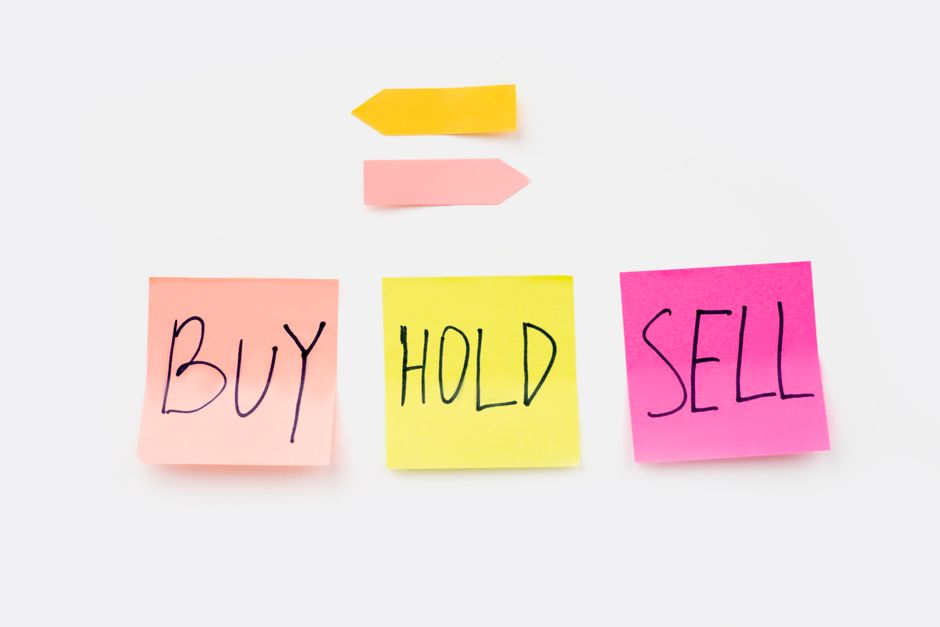
Melbourne's property investment landscape has shifted. While the Victorian median sits around $920,000 and unit values hover near $620,000, rental yields remain compressed—a reality forcing investors to make harder choices about portfolio strategy.
The question isn't new, but the context has changed. Migration demand continues to underpin markets like Bayside and the Inner East, yet investor cashflow is tighter than it was three years ago. So when should you hold, and when should you seriously consider selling?
The Hold Case
If your property sits in a corridor with structural growth—think the Frankston line's expanding infrastructure, or established zones like Bentleigh East where recent sales activity remains robust—holding makes sense. These suburbs benefit from ongoing demand and limited supply. A modest 3–4% rental yield, paired with capital appreciation over 7–10 years, still builds wealth for patient investors. Properties in walkable, transit-connected areas near parks like Elwood Beach Reserve or shopping precincts maintain tenant appeal during downturns.
Hold also applies if your loan is ageing well and you're cash-flow positive. A $650,000 apartment in a mixed-use precinct with reliable tenant demand can justify patience.
The Sell Signal
Three red flags suggest selling deserves consideration. First: negative cashflow that exceeds your tolerance. If your Docklands or South Yarra investment bleeds $100+ weekly after all expenses, that's capital you could redeploy. Second: stagnant rental demand in your suburb. If vacancy rates are rising and landlords are cutting rents, your property may be in a softening pocket rather than a growth corridor. Third: your equity has surged significantly. A Bayside property that's appreciated $300,000 since purchase gives you real selling power. Reinvesting that capital into two newer, better-positioned assets across different micro-markets reduces concentration risk.
The Framework
Before winter auctions heat up, run the numbers. Calculate your true yield: annual rental income minus rates, insurance, maintenance and vacancy allowance, divided by current value. Compare it to alternative investments—a 3% rental yield plus 2% annual appreciation means 5% total return. Is that enough for your risk profile?
Check your suburb's fundamentals: population growth, job creation, infrastructure investment and comparable rental rates. The Frankston corridor has momentum; stagnant pockets don't.
Finally, assess your life stage. If you're approaching retirement, unlocking capital may outweigh long-term growth. If you're mid-career, holding through cycles often wins.
The Melbourne market rewards intentional decisions, not passive holding or panic selling. Get clear on your numbers, and the path forward becomes obvious.
This article was compiled by AI from the sources linked above and screened before publishing. See our editorial standards.
About this article
Published by The Daily Melbourne
Daily brief
Free, in your inbox before 7am. Weekdays.
You might also like
Property
Property
Property

Property
Free daily briefing