Melbourne's investment landscape is undergoing a quiet but significant shift, with yield-hungry investors increasingly bypassing premium inner suburbs to chase stronger returns in outer growth corridors.
The numbers tell a compelling story. While inner-east pockets like Camberwell and Balwyn command median house prices near $1.2 million, rental yields hover around 2.5 to 2.8 percent—barely above inflation. Compare that to emerging growth zones like Frankston, where median prices sit closer to $650,000 with rental yields pushing 4.5 to 5 percent, and the appeal becomes clear.
"We're seeing a fundamental recalibration," says market watchers tracking investor activity across Melbourne. The pressure is real: with Victoria's median house price holding steady around $920,000 and unit markets at approximately $620,000, investors face tougher calculations when serviceability is tight and interest rates remain elevated.
The Frankston corridor—stretching from Frankston through Carrum Downs and beyond—has become the hot-button market for investors. Stronger rental demand from the region's growing population, combined with lower entry prices, creates a compelling equation. Young families and essential workers are gravitating there, and landlords are reaping the rewards with vacancy rates typically under 2 percent.
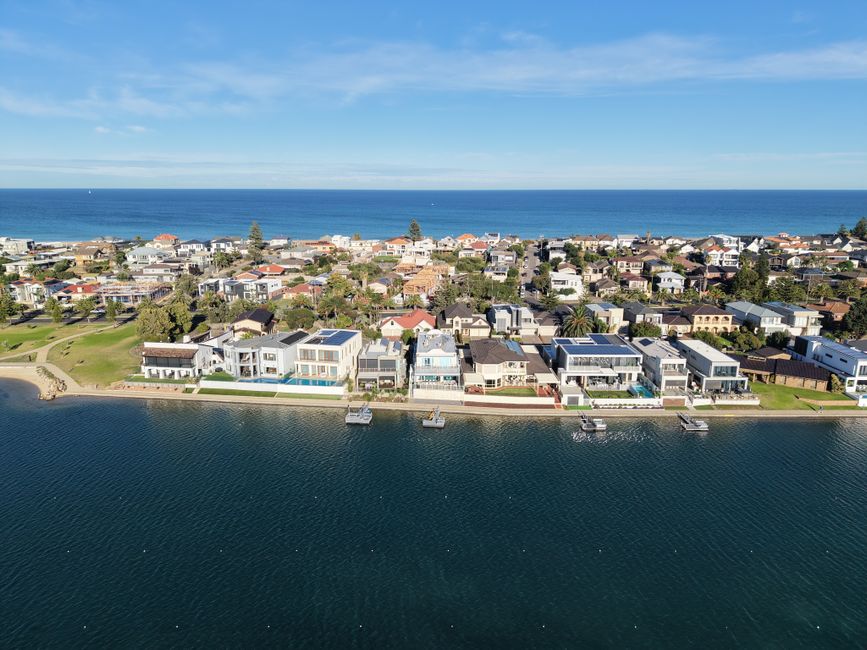
Meanwhile, bayside suburbs that once promised prestige are facing headwinds. While areas like Brighton and Mentone remain aspirational, slower rental growth and sticky prices mean yields remain compressed. The premium you pay for postcode appeal no longer compensates for mediocre cash returns.
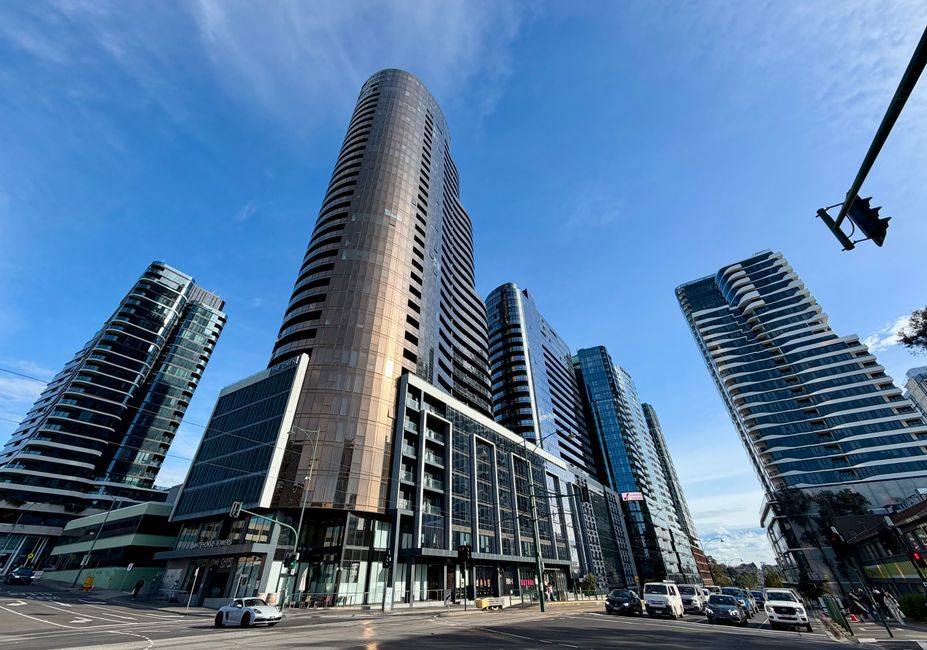
Unit investors face particular pressure. Melbourne's unit market, valued around $620,000 median, has suffered from oversupply in some inner precincts. Investors who bought into Melbourne CBD and Southbank apartments during the development boom are discovering that weak rental growth—often under 2.5 percent annually—makes holding costs painful.
The migration story also reshapes this picture. Australia's continued population growth benefits outer suburbs with available land and more affordable family homes. Areas along the growth corridor are attracting interstate migrants seeking space and value, underpinning rental demand in ways inner Melbourne can't match.
Smart investors are also diversifying geographically. Rather than banking everything on a single bayside or inner-east property, sophisticated players are building portfolios across multiple zones—securing steady yields in growth areas while maintaining some premium suburb exposure for long-term capital growth.
The message for Melbourne investors is clear: chase the yield, follow the migration, and don't assume old postcode hierarchies guarantee returns. The market is rewarding patience and geographic flexibility over prestige addresses.
This article was compiled by AI from the sources linked above and screened before publishing. See our editorial standards.