Melbourne Council Planning Overlays Tighten Design Rules
Inner Melbourne councils introduce stricter heritage design overlays and building setback rules. How Boroondara, Glen Eira, and Stonnington are reshaping development approvals.
3 min read
Inner Melbourne councils introduce stricter heritage design overlays and building setback rules. How Boroondara, Glen Eira, and Stonnington are reshaping development approvals.
3 min read
Listen to this article · 3:39
Melbourne's inner councils are moving to reshape how new developments look and fit into neighbourhoods, with a wave of planning changes aimed at controlling density without sacrificing street life or heritage character.
Boroondara, Glen Eira, and Stonnington have all introduced or tightened design overlays in the past 18 months, requiring developers to justify building heights, setbacks, and materials more rigorously. The shift reflects mounting pressure on local character as median unit prices push past $620,000 and pressure intensifies on underdeveloped sites.
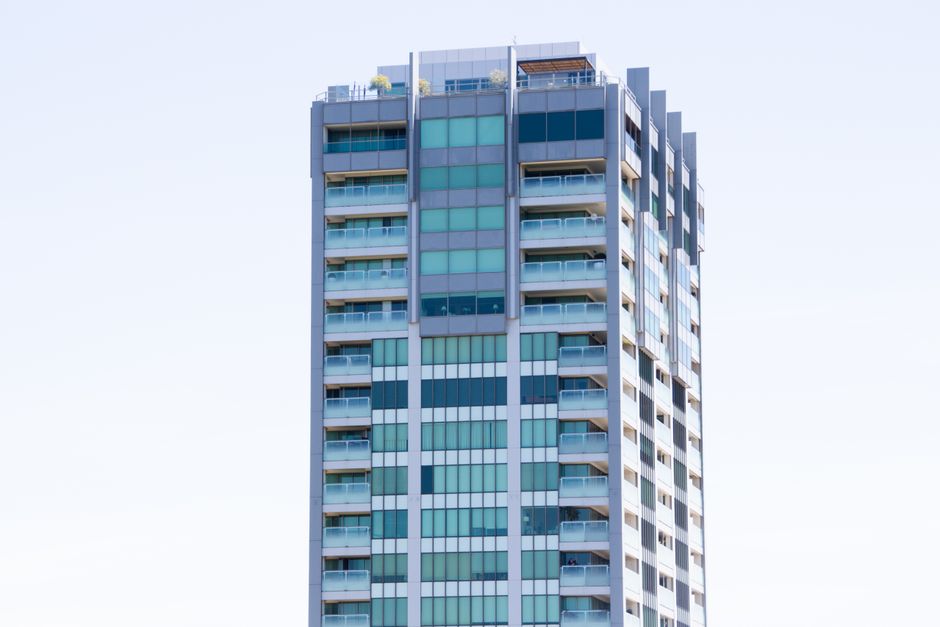
"We're seeing applications come back rejected or delayed because they don't meet new stepback requirements," says one Camberwell planning consultant, speaking on condition of anonymity. "A six-storey building that would have sailed through two years ago now needs to drop to four storeys at street level, then step back. That's millions in lost yield for developers."
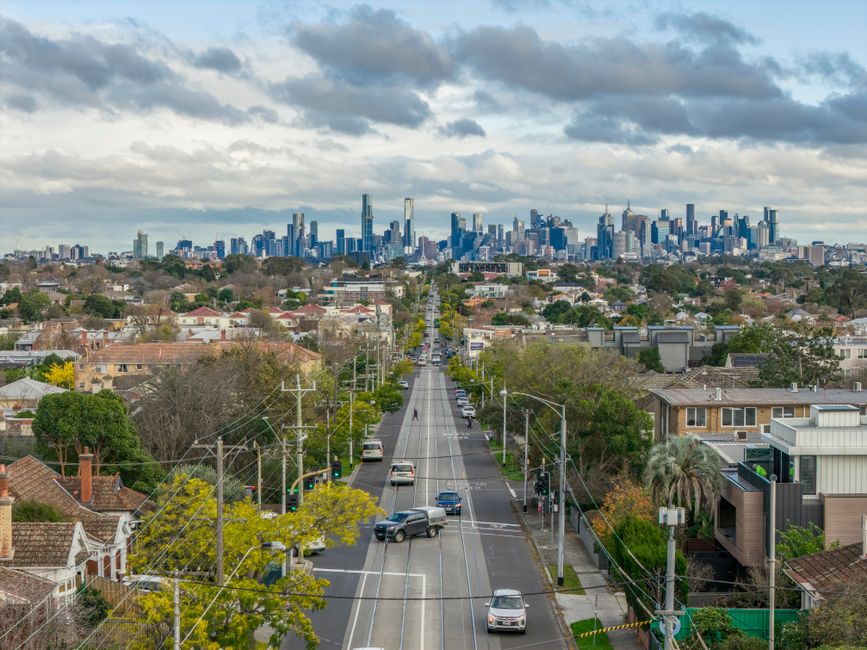
The changes are most visible along thoroughfares like Toorak Road in Hawthorn, Auburn Road in Hawthorn East, and High Street in Armadale—corridors previously earmarked for medium-density infill. New mandatory setbacks, ground-floor activation requirements, and facade transparency standards are forcing redesigns. Some approved projects have stalled; others are being resubmitted.
Glen Eira's revised neighbourhood character study, completed in March, now mandates that new buildings on residential streets maintain front setbacks consistent with existing streetscapes. Nearby, Boroondara introduced materials clauses specifying brick, stone, or timber over rendered facades in conservation precincts—a direct response to complaints about monotonous apartment aesthetics in areas like Camberwell and Glen Waverley.
The impact ripples through project economics. A five-storey mixed-use scheme on Grange Road, Toorak, was knocked back in April after failing to meet new 45-degree solar access angles for adjacent homes. The applicant's revised scheme, approved in June, reduced residential units from 28 to 19.
Developers and agents argue the rules slow housing supply when Victoria desperately needs it. "We're trying to build near jobs and transport, but councils are making it harder, not easier," one developer said. Yet planning officers contend the changes preserve liveability. "Density done badly is density that breeds opposition," a Stonnington planner noted.
For buyers, the effect is mixed. Tighter design standards may mean fewer, pricier apartments but stronger neighbourhood cohesion. With Frankston corridor growth and bayside demand already buoying outer suburbs, inner Melbourne's planning tightening may accelerate the shift outward—or lock in scarcity that drives prices higher.
This article was compiled by AI from the sources linked above and screened before publishing. See our editorial standards.
About this article
Published by The Daily Melbourne
Daily brief
Free, in your inbox before 7am. Weekdays.
You might also like
Free daily briefing