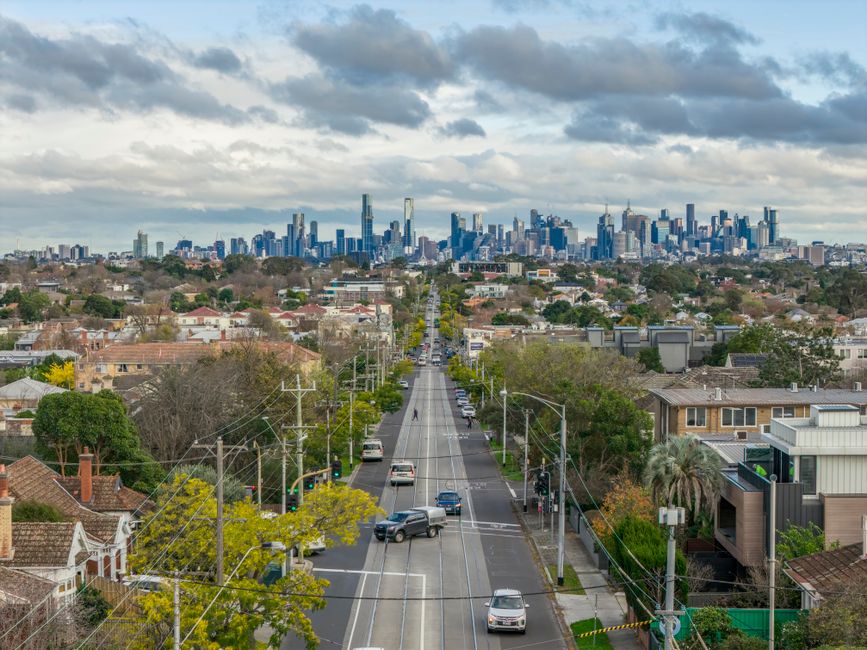
For years, the Melbourne rental market has punished tenants with relentless annual increases. But a quiet shift is reshaping the affordability equation across the city's outer suburbs, where modest house prices and stagnant rents have created an unexpected advantage for first-time buyers.
The maths is striking in pockets like Frankston and its surrounding corridor. A three-bedroom weatherboard home in the Karingal precinct now sells for approximately $580,000–$620,000, while comparable rentals in the same area command $420–$450 weekly. Over a standard 30-year mortgage at current interest rates, the monthly loan repayment—assuming a 10 per cent deposit—sits around $2,200. Rental costs for identical properties exceed $1,800 monthly, but crucially, mortgage payments build equity rather than evaporating into a landlord's pocket.
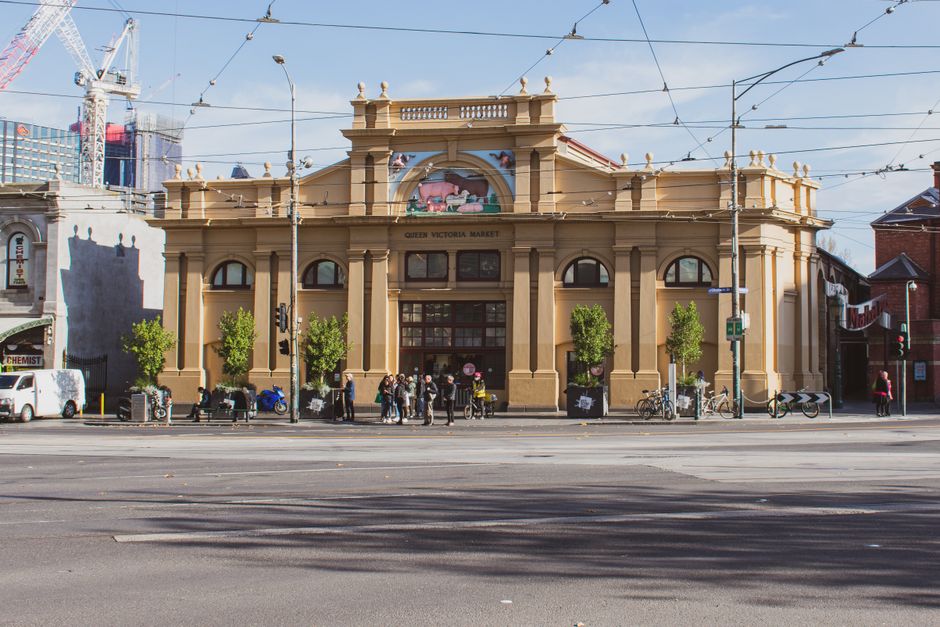
Dandenong and surrounds tell a similar story. Properties near Dandenong Market and the Princes Highway corridor are trading hands in the $520,000–$580,000 range, with weekly rents hovering near $380–$420. When you factor in council rates, maintenance reserves, and insurance—running roughly $250–$300 monthly combined—the total cost of owner-occupation edges ahead of long-term rental commitments for the first time in a decade.
The phenomenon extends further into growth corridors like Werribee and Melton, where median prices linger below $560,000 and rental markets remain relatively slack. Even Glen Waverley and Box Hill, traditionally premium postcodes, show marginal compression as investors reassess yields against Melbourne's broader slowdown.
This shift reflects two colliding forces. First, outer-ring property price growth has plateaued as migration demand concentrates near transport hubs and inner neighbourhoods. Second, rental increases have moderated from pandemic peaks, yet remain elevated relative to median incomes—particularly for households earning under $80,000 annually.
For organisations like the Tenants Union Victoria, the data underscores chronic affordability pressure. Renters remain asset-poor despite rising costs, while marginal buyers—often using family support or first-home guarantee schemes—can now justify the leap into ownership.
Economists caution against reading too much into snapshot comparisons. Interest rate rises remain a tail risk, maintenance costs can escalate, and rental markets may tighten if migration rebounds. Yet for stable households with deposit capacity and secure employment, the calculus has fundamentally changed across Melbourne's outer ring.
The suburbs where buying beats renting aren't glamorous addresses. But they're increasingly the only places where the traditional Australian dream of home ownership aligns with actual financial sense.
This article was compiled by AI from the sources linked above and screened before publishing. See our editorial standards.