Build-to-Rent: The New Landlord on Melbourne's Block
As purchase prices soar past $920k, purpose-built rental developments are quietly reshaping what tenants can expect—and what they'll pay.
3 min read
As purchase prices soar past $920k, purpose-built rental developments are quietly reshaping what tenants can expect—and what they'll pay.
3 min read
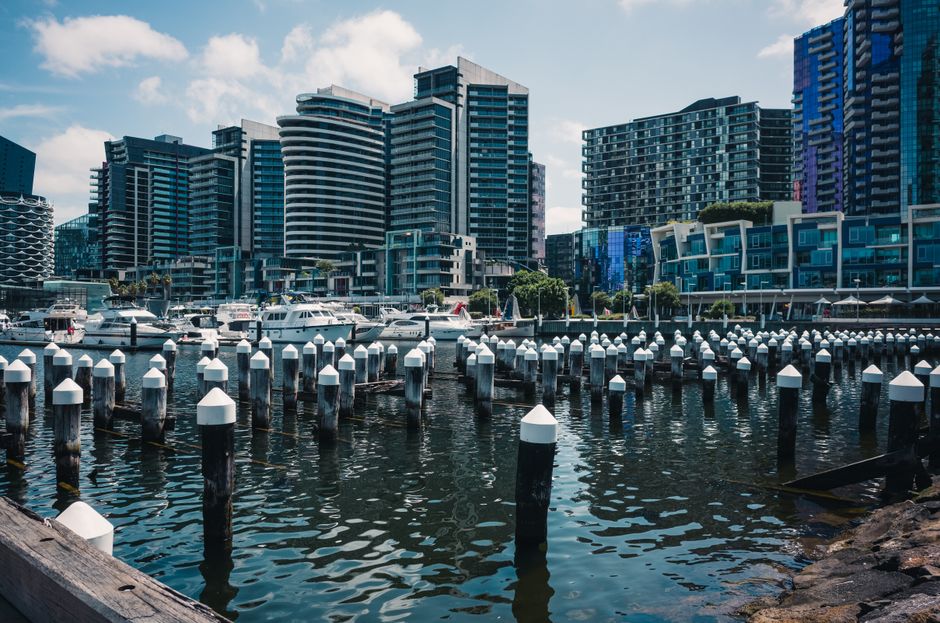
Melbourne's rental market has long been a footnote in the property conversation, overshadowed by auction results and investor speculation. But a quiet shift is underway. Build-to-rent (BTR) developments—apartment complexes designed and owned specifically for leasing rather than resale—are beginning to reshape what long-term renters can actually afford and access in established suburbs.
The numbers tell part of the story. With Victorian median house prices hovering near $920,000 and units around $620,000, and rental yields sitting stubbornly between 2.5 and 3.5 per cent, traditional investment property returns have become increasingly marginal. This has opened a window for institutions and developers to build rental portfolios directly, locking in longer-term capital plays rather than chasing quick resales.
Unlike the speculative apartment towers that defined Melbourne's CBD boom, BTR projects are structured differently. Developers like Mirvac and Charter Hall have already moved into South Melbourne and Port Melbourne with schemes that include extended lease terms—typically three to five years—and built-in amenities: gyms, co-working spaces, rooftop gardens, and communal lounges. These aren't afterthoughts; they're central to the model.
For tenants, the appeal is tangible. BTR operators tend to offer longer-term lease certainty, which shields renters from the annual rent increases that have squeezed inner-ring suburbs like Fitzroy and Brunswick. Management is typically in-house and responsive, reducing the friction of dealing with multiple agents. And because these buildings are purpose-built for rental, they often include pet-friendly policies, flexible lease lengths, and move-in incentives—luxuries rare in Melbourne's traditional rental market.
The catch? Prices still matter. A two-bedroom apartment in a new BTR development in Southbank or Docklands remains premium; expect $2,400 to $2,800 per month. But for the same outlay, a BTR tenant gets security, stability, and community amenities that a comparable private rental rarely offers. Over three years, that difference compounds.
The real test will be whether BTR spreads beyond Melbourne's inner core. The Frankston corridor and outer bayside suburbs—where first-time buyers are increasingly priced out—represent the true frontier. If BTR can reach those areas with realistic rents, it might finally offer Melbourne's renters something that's been missing: a viable alternative to ownership that doesn't feel like a holding pattern.
For now, BTR remains a premium product for premium suburbs. But as interest rates stabilise and rental yields stay thin, expect this model to evolve. Melbourne's rental future may no longer belong solely to individual landlords.
This article was compiled by AI and screened before publishing. See our editorial standards.
Partner Content
SponsoredPartner Content lets Melbourne businesses reach engaged local readers with a clearly labelled, editorial-style feature. Every placement is marked Sponsored, in line with our sponsored content policy.
About this article
Published by The Daily Melbourne
Daily brief
Free, in your inbox before 7am. Weekdays.
You might also like
Free daily briefing