Lenders Mortgage Insurance Melbourne: Cost vs Timing
Melbourne first home buyers: should you pay LMI to enter sooner? Compare costs on $620k units, $920k houses and decide if early entry beats saving longer.
3 min read
Melbourne first home buyers: should you pay LMI to enter sooner? Compare costs on $620k units, $920k houses and decide if early entry beats saving longer.
3 min read
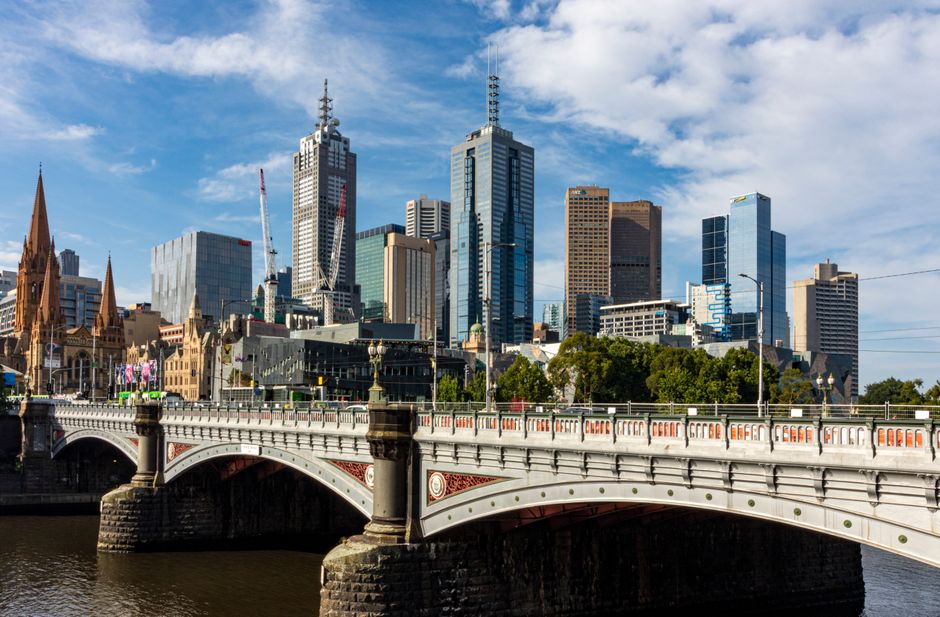
The Melbourne property market has shifted in recent months, but for first home buyers, one question remains stubbornly expensive: is lenders mortgage insurance worth paying?
With Victorian median house prices hovering near $920,000 and units around $620,000, most first-timers face a choice. Save aggressively for a 20 per cent deposit to avoid LMI entirely, or pay the insurance premium upfront and enter the market sooner with just 10 or 15 per cent down.
The calculus has changed since interest rates peaked. A first home buyer putting down $62,000 on a $620,000 Southbank or St Kilda Road apartment—common for young professionals—might face LMI premiums around $18,000 to $22,000. That's painful. But consider the alternative: if you're renting in Melbourne's competitive inner suburbs and prices rise 3-5 per cent annually, waiting another two or three years could cost more in missed capital growth than the insurance itself.
The Frankston corridor and outer bayside suburbs—increasingly popular with first timers seeking more space—show where LMI maths tip in buyers' favour. A $650,000 property in Frankston or Langwarton with 12 per cent down ($78,000) means LMI around $15,000-$18,000. But the monthly mortgage payment on a smaller loan is manageable, and you're building equity immediately rather than paying rent in an area where demand is growing faster than supply.
Recent policy changes add weight to the LMI argument. Victoria's First Home Buyer Duty Exemption still applies, and the state's Land Transfer Duty thresholds remain generous for purchases under $600,000. Combine these with federal First Home Loan Deposit Scheme availability—if you qualify—and LMI becomes one cost among several to weigh, not the deal-breaker it once was.
The RBA's pause on rate hikes matters too. While economists debate further tightening, the current environment is more stable than it was 12 months ago. That means LMI premiums, while higher than pre-2021 levels, are at least priced into clearer rate forecasts.
The honest answer: LMI makes sense if three things align. First, you're confident in your income and servicing capacity. Second, you're buying in a suburb where long-term growth outpaces LMI costs—established inner suburbs, bayside pockets, or high-demand corridors like the Frankston line. Third, you're not stretching yourself dangerously thin on the deposit sacrifice.
For many Melbourne first home buyers, particularly younger professionals and small families, paying LMI to enter the market sooner is rational economics, not financial recklessness. The risk isn't the insurance. It's overstretching on price.
This article was compiled by AI and screened before publishing. See our editorial standards.
Partner Content
SponsoredPartner Content lets Melbourne businesses reach engaged local readers with a clearly labelled, editorial-style feature. Every placement is marked Sponsored, in line with our sponsored content policy.
About this article
Published by The Daily Melbourne
Daily brief
Free, in your inbox before 7am. Weekdays.
You might also like
Free daily briefing