Melbourne auction clearance rates slide as winter chill grips buyer appetite
Monthly trends reveal softening demand across key suburbs, with eastern bayside hotspots showing unexpected weakness.
3 min read
Monthly trends reveal softening demand across key suburbs, with eastern bayside hotspots showing unexpected weakness.
3 min read
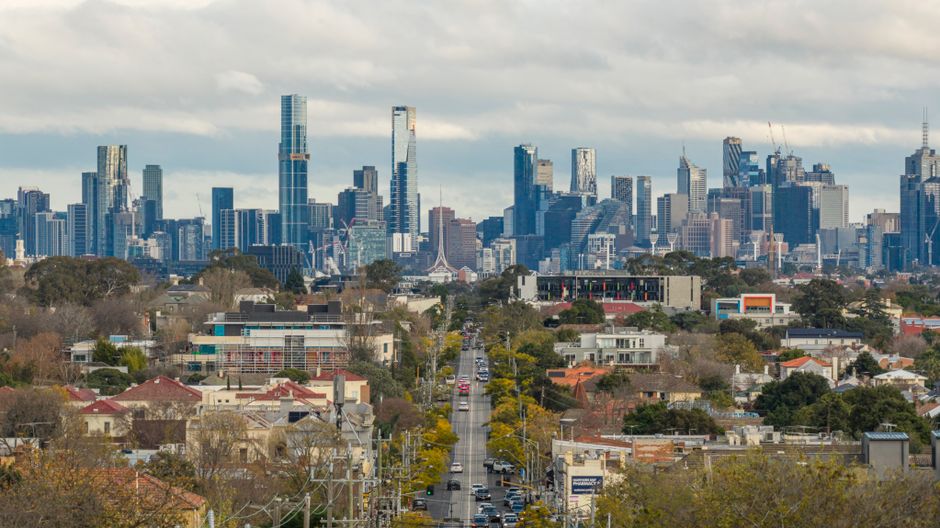
Melbourne's auction clearance rates have slipped into softer territory over the past month, marking a notable shift in buyer momentum as winter settled across Victoria and interest rate expectations weighed on purchasing decisions.
Real Estate Institute of Victoria data tracking the final fortnight of June shows clearance rates hovering around 58–62 per cent across the broader metropolitan area—down from the mid-to-high 60s recorded in May. The decline has been particularly pronounced in traditionally buoyant pockets. Bayside suburbs including Beaumaris, Brighton and Sandringham—areas that have commanded premium prices and strong bidding competition—saw clearance rates dip to 55–59 per cent, suggesting even affluent buyers are pausing to reassess value ahead of the second half of the year.
The Frankston corridor, which has powered growth over the past 18 months as buyers sought relative value further south, maintained steadier clearance rates near 63 per cent, though auction volumes themselves contracted. This hints at vendor selection: only the most confident sellers are presenting properties under the hammer.
Inner-east suburbs around Camberwell and Balwyn held clearance rates in the low 60s, reflecting their structural appeal and the ongoing strength of owner-occupier activity in that band. However, Hawthorn and Box Hill—areas with median prices edging toward $1.1 million—recorded more mixed results, with some weeks dipping below 60 per cent as purchasers digested the divergence between asking prices and realistic market value.
Apartment markets told a different story. Unit clearance rates in the Southbank and St Kilda Road precincts softened to 52–56 per cent, the lowest seen in four months. Investors stepping back from the market and first-home buyers navigating tighter lending conditions appear to be weighing heavily on unit auctions, even as rental yields remain appealing on paper.
Market watchers point to overlapping factors: tax changes affecting investment property deductibility, lingering uncertainty around the Reserve Bank's interest rate trajectory, and winter's traditional slowdown in buyer foot traffic. Across venues including Buxton's Camberwell auction rooms and Marshall White's East Melbourne base, agents report fewer registered bidders per auction, though those present tend to bid with conviction.
The month-on-month decline, while not dramatic, signals a cooling rather than a crash. Vendors holding realistic expectations and marketing effectively continue to attract competition. Yet the data underscores that Melbourne's auction room has shifted from a seller's market into something more balanced—a development that may offer first-home buyers and astute purchasers meaningful breathing room as the second half of 2026 unfolds.
This article was compiled by AI and screened before publishing. See our editorial standards.
Partner Content
SponsoredPartner Content lets Melbourne businesses reach engaged local readers with a clearly labelled, editorial-style feature. Every placement is marked Sponsored, in line with our sponsored content policy.
About this article
Published by The Daily Melbourne
Daily brief
Free, in your inbox before 7am. Weekdays.
You might also like
Property

Property

Property
Property
Free daily briefing