For years, the Melbourne property narrative has been binary: buy or rent in someone else's aging terrace. But a quiet revolution is reshaping how tenants live in the city's fastest-growing corridors, with build-to-rent developments offering something increasingly rare—security and community without the $600,000-plus deposit.
The shift reflects harsh reality. Victorian median house prices sit around $920,000, with units near $620,000. First-home buyers need $184,000 just for a deposit, before legals, stamp duty and moving costs. Meanwhile, rents have climbed 15-20 per cent in outer suburbs over two years, squeezing young professionals and families who once expected to own by 40.
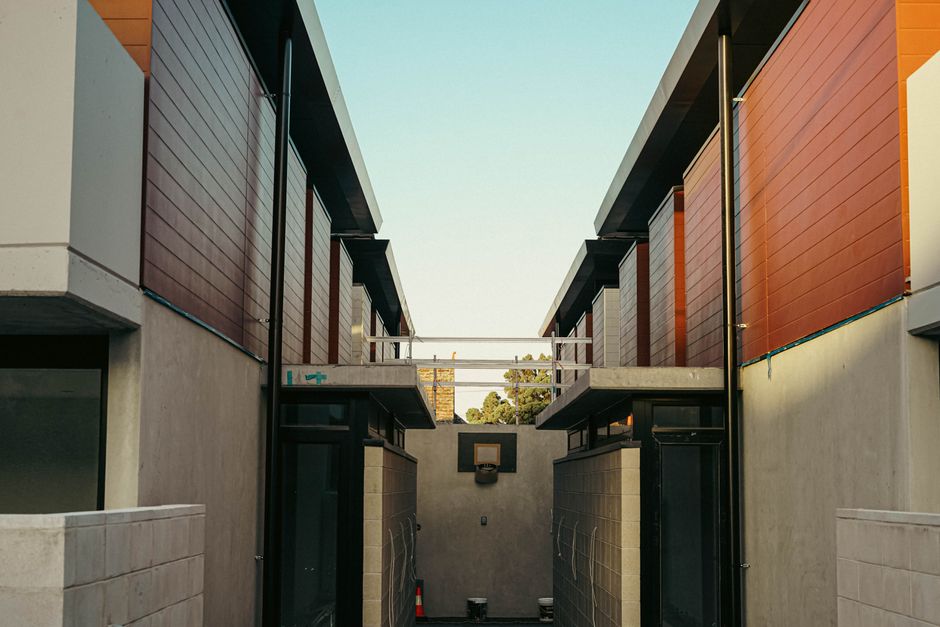
Enter build-to-rent. Rather than speculative apartment blocks, these developments—increasingly common along the Frankston corridor and outer-east growth zones—are designed from the ground up for renters. The economics matter: developers lock in 15-20 year rental agreements, tenants get fixed-term certainty (typically three to five years at a time), and investors accept moderate returns for stability.
The amenity proposition differs markedly from traditional rental stock. Unlike dispersed weatherboard cottages along Smith Street in Collingwood or aging apartment blocks near Footscray station, purpose-built communities typically bundle gyms, co-working spaces, childcare facilities and landscaped courtyards. Melbourne's emerging schemes in suburbs like Box Hill and Officer feature community gardens, resident events and on-site management—elements absent from most private rentals.
Critically, these developments offer lease predictability. A renter signing a three-year agreement knows their rent trajectory and can plan accordingly. Traditional landlords can raise rents aggressively at renewal; institutions managing build-to-rent portfolios operate on different incentive structures, targeting long-term occupancy over maximum yield.
Yet challenges persist. Build-to-rent remains concentrated in growth zones and outer suburbs—the Frankston and Pakenham corridors, not the bayside premium suburbs where demand is fiercest. Inner-Melbourne sites command too-high land values; developers can't justify moderate rents when apartments sell for $800,000 nearby.
For tenants locked out of ownership, build-to-rent offers psychological relief. It's not homeownership, but it's permanence—something increasingly precious in a market where renters average 3-4 moves per decade. As Melbourne's affordability gap widens, these communities may become the city's de facto middle-income housing solution, reshaping not just where people live, but how they imagine stability itself.
This article was compiled by AI and screened before publishing. See our editorial standards.
Tell Melbourne your story
Partner Content lets Melbourne businesses reach engaged local readers with a clearly labelled, editorial-style feature. Every placement is marked Sponsored, in line with our sponsored content policy.
About this article
Published by The Daily Melbourne
This article was produced by the The Daily Melbourne editorial desk and covers property in Melbourne. See our editorial standards for how we use AI.
See something wrong? Suggest a correction.
Daily brief
Enjoyed this? Wake up to Melbourne news every morning.
Free, in your inbox before 7am. Weekdays.