Build to Rent Melbourne: New Rental Communities Explained
Discover how build-to-rent developments are solving Melbourne's rental crisis with affordable long-term housing, stable leases, and community amenities across the city.
2 min read
Discover how build-to-rent developments are solving Melbourne's rental crisis with affordable long-term housing, stable leases, and community amenities across the city.
2 min read
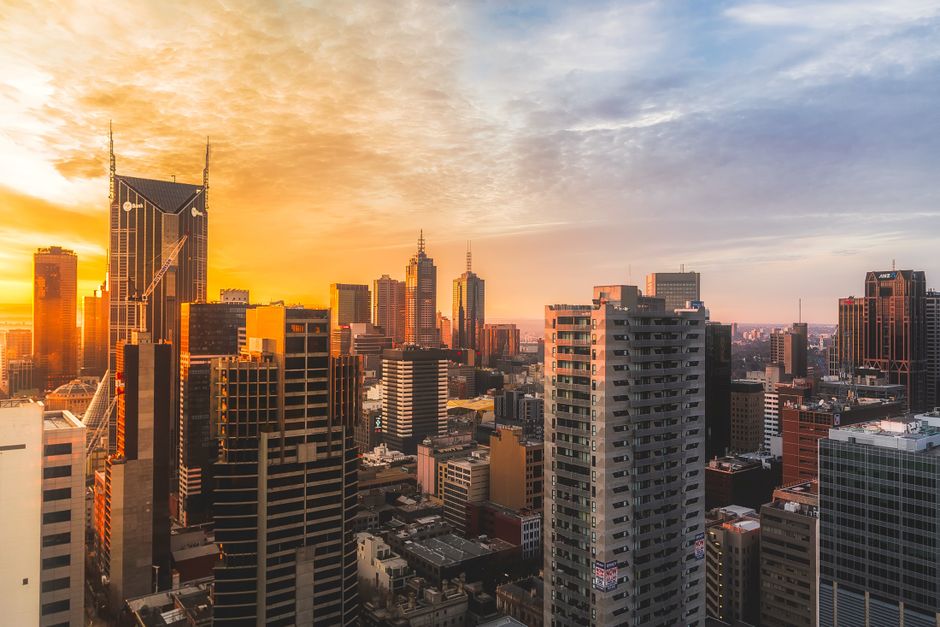
Melbourne's rental market has reached a breaking point. With median unit prices hovering near $620,000 and weekly rent for a two-bedroom apartment now exceeding $500 in inner suburbs, an entire generation of renters faces a stark choice: accept housing insecurity or abandon homeownership dreams altogether.
Enter build-to-rent (BTR) developments—a model gaining traction across Australian capital cities as developers and institutional investors recognise a genuine market gap. Unlike traditional apartments sold to individual investors, these communities are purpose-built for long-term rental, with management companies, shared amenities, and lease protections designed specifically for tenants rather than capital gains.
Several developments are already under construction across Melbourne's growth corridors. The Frankston corridor, which has emerged as a key growth zone following rate rises and tax changes that dampened investor sentiment, is attracting BTR interest. Similarly, pockets along the Bayside fringe—from Southbank through to St Kilda Road—are seeing institutional capital flow into rental-focused projects.
What distinguishes these from conventional apartment blocks? Build-to-rent communities typically include ground-floor retail, co-working spaces, fitness facilities, communal gardens, and dedicated management teams. More importantly, they offer lease terms extending beyond the typical six to twelve months, providing the stability that Melbourne's transient rental market has never delivered.
"The business model depends on predictable, long-term tenant occupancy," explains the rationale behind these developments. Unlike landlords chasing peak rent every twelve months, BTR operators benefit from retention, reducing turnover costs and creating neighbourhoods rather than collections of units.
For renters, the appeal is clear. A couple priced out of Melbourne's $920,000 median house market can secure a modern two-bedroom apartment with secure tenure, predictable rent increases, and facilities that would cost thousands extra in traditional rental stock. Monthly costs remain lower than mortgage serviceability requirements, while building equity through superannuation contributions or offset accounts becomes feasible.
However, challenges remain. Regulatory frameworks lag behind market development. Zoning restrictions limit BTR sites, and financing these long-hold assets requires patient capital—something venture debt providers in Melbourne are only now perfecting.
As Adelaide's recent price decline signals market volatility and Melbourne's auction volumes reflect buyer hesitation, BTR developments offer a middle path. They won't solve the affordability crisis, but they acknowledge a crucial truth: for millions of Melburnians, renting isn't temporary. It's permanent. And that market deserves better than inherited investor-grade infrastructure.
This article was compiled by AI and screened before publishing. See our editorial standards.
Partner Content
SponsoredPartner Content lets Melbourne businesses reach engaged local readers with a clearly labelled, editorial-style feature. Every placement is marked Sponsored, in line with our sponsored content policy.
About this article
Published by The Daily Melbourne
Daily brief
Free, in your inbox before 7am. Weekdays.
You might also like
Property

Property

Property
Property
Free daily briefing