Melbourne's Rental Crunch: How Market Forces Are Squeezing Tenants and Testing Landlords
Tenants across Melbourne face mounting pressure as vacancy rates tighten and rents rise, while landlords balance new regulations and shifting demand.
3 min read
Tenants across Melbourne face mounting pressure as vacancy rates tighten and rents rise, while landlords balance new regulations and shifting demand.
3 min read
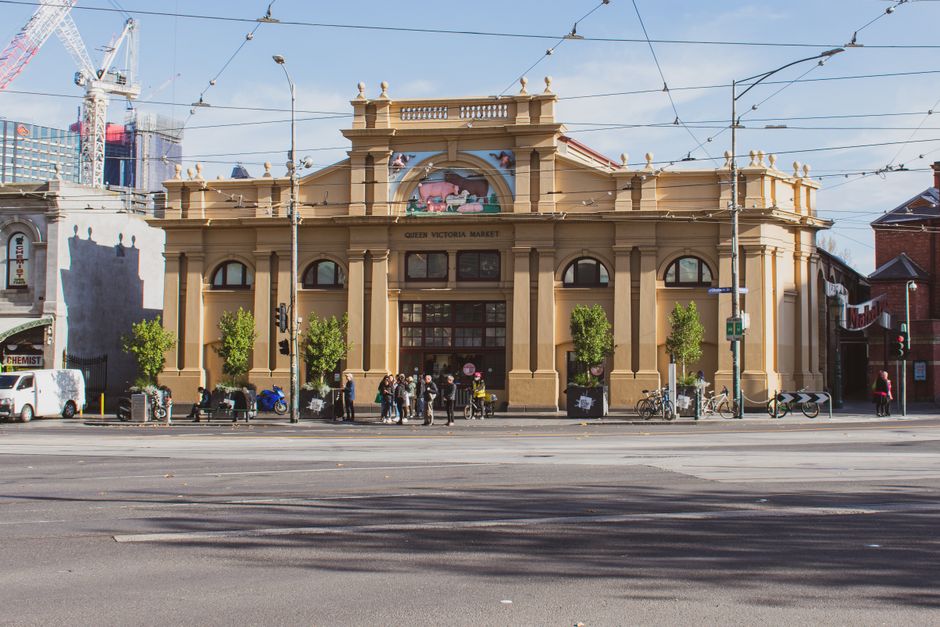
Rental prices in Melbourne have jumped to record highs this winter, squeezing tenants with weekly costs rarely seen outside the city’s boom times and challenging landlords to balance market returns against new tenant protections.
Despite predictions of a market cool-off, the number of available rentals across Melbourne has plunged in the past six months. That has meant tough competition for inner-city apartments, with no relief in sight for the outer suburbs, as new migration and low vacancy drive up rents from Carlton to Frankston.
Among the neighbourhoods most affected are St Kilda and Glen Waverley. On Fitzroy Street in St Kilda, three-bedroom apartments that fetched $690 per week last year now routinely list for $850, according to local property managers. In Glen Waverley, Ray White’s July report shows median weekly rents for family homes now exceeding $700, up more than 18% year-on-year—a jump attributed to strong demand from overseas arrivals and returning residents.
The Tenants Union of Victoria reports an unprecedented volume of calls this quarter, with renters saying they show up at open inspections with dozens of other hopefuls. Hannah Ellison, a policy officer at the Union, said “desperate bidding wars” are becoming the norm near education hubs and along the new Suburban Rail Loop corridor, particularly in regions like Clayton and Box Hill.
Domain’s latest rental report paints a stark picture: Melbourne’s citywide vacancy rate dropped to 1.2% in June—the lowest since before the pandemic. Realestate.com.au data shows the median rent for a two-bedroom unit across Greater Melbourne leapt to $565 per week, up $70 from the same time last year. The situation is particularly acute in Bayside, where two-bedroom rents average $720. In the Frankston corridor—a self-described “growth hotspot” by local agents—rents are up 20% annually and supply remains thin.
For landlords, there’s a catch. Tighter rent rise restrictions under the Residential Tenancies Act and new minimum standards for heating, safety, and repairs add compliance costs—especially in the older Victorian terraces of Brunswick and Northcote. The Real Estate Institute of Victoria said more investors are selling up, a trend reflected in lower auction volumes recorded on Chapel Street and in the Docklands over June.
Tenants are being urged to act quickly and come prepared, with some agencies like Woodards on High Street, Armadale, recommending prospective renters have references, payslips and applications submitted before inspections. The City of Melbourne’s RentAssist bond loan program remains open for those experiencing financial stress, though funds are capped and demand is intense.
With the state government’s commitment to build 800,000 new homes over the next decade, some relief could eventually arrive. For now, agents are warning both renters and landlords to expect continued volatility across the city, as Melbourne’s population climbs and housing supply lags. “Anyone hoping for a quick fix needs to buckle in,” said one senior property manager. The next quarterly data drop from the Valuer-General, due in September, is expected to confirm prices and tightness are far from easing.
Partner Content
SponsoredPartner Content lets Melbourne businesses reach engaged local readers with a clearly labelled, editorial-style feature. Every placement is marked Sponsored, in line with our sponsored content policy.
About this article
Published by The Daily Melbourne
Daily brief
Free, in your inbox before 7am. Weekdays.
You might also like
Property
Property
Property
Property
Free daily briefing
The Daily Network