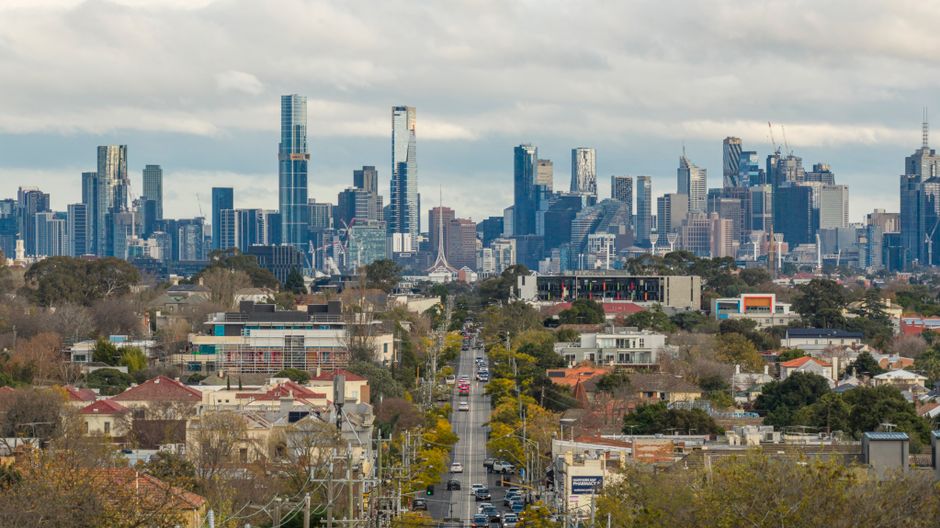
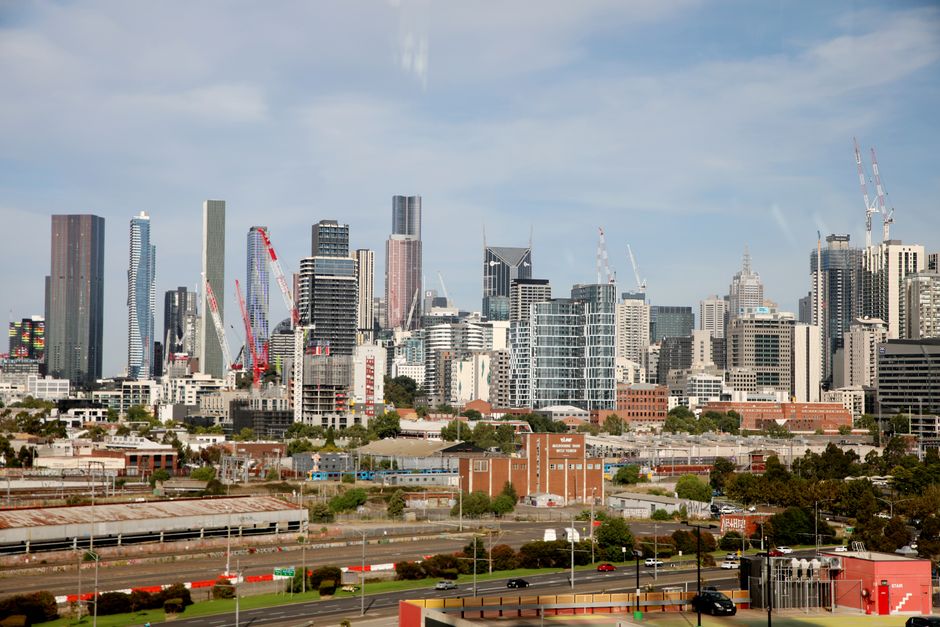
Work began this week on the landmark Lumina Towers precinct on Dandenong Road in Caulfield, marking the start of a $600 million injection into the area’s housing stock. The project, which includes three 15-storey towers with more than 480 apartments, retail tenancies and new green space, is among several developments changing the face of Melbourne’s suburban landscape in 2026.
The influx of development comes as greater Melbourne is grappling with record migration and a property market still finding its feet after last year’s downturn. With buyers more cautious—auctions across the city dropped 9% year-on-year in June, according to Domain—developers and councils are betting that large integrated projects can revive local confidence, meet housing demand, and reenergise local businesses.
Bayside Ambitions and City Revamps
Bayside suburbs like Sandringham and Black Rock are seeing ongoing construction on boutique apartment blocks, many targeting downsizers and sea-changers frustrated by soaring house prices. In Sandringham, local developer Apiary Group’s Seaside Residences—now 75% sold after six months—are fetching upwards of $1.29 million for a two-bedroom while targeting an older, owner-occupier crowd. “We see families moving out to Frankston or the Mornington Peninsula for houses, but downsizers want amenity without giving up location,” one agent said of the trend.
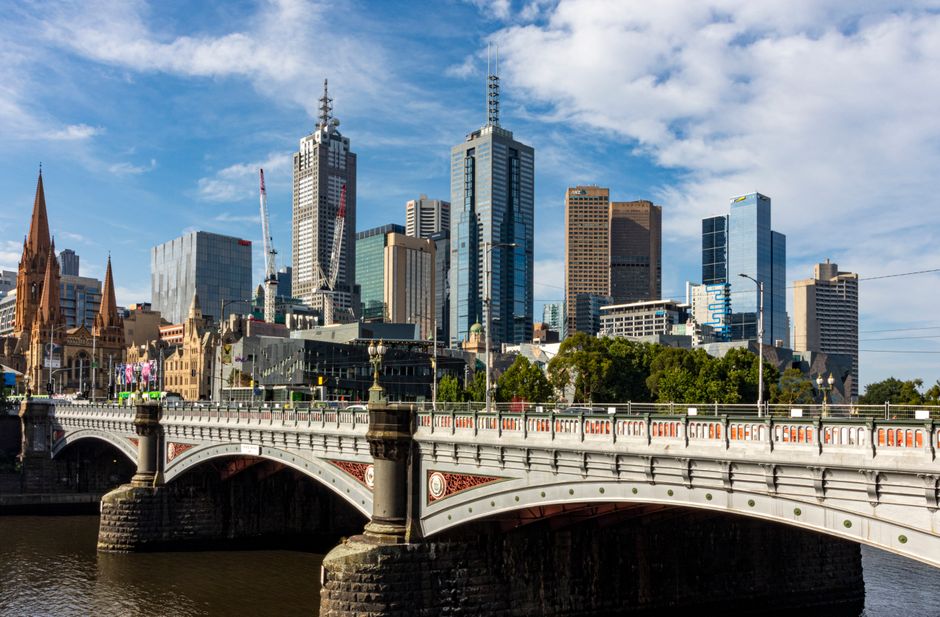
The action isn’t limited to the bayside. In the CBD, Lendlease’s $2.2 billion redevelopment of the Queen Victoria Market precinct is on track for next year’s staged opening, promising more than 1100 new homes, a library, and expanded market space. The city council says the project will generate more than 1,500 permanent jobs and significantly upgrade public transport links around Franklin Street and Queen Street. These are just two among nearly a dozen major development applications given the green light by the City of Melbourne since January.
The Value Proposition – and the Catch
Median house prices in Greater Melbourne hovered at $920,000 in June, CoreLogic figures show, while median unit prices hit $620,000—both reflecting a slight bounce since February but still some way off the 2022 peaks. Industry analysts point to the Franskton corridor as an emerging hotspot, with new townhouse clusters along Nepean Highway fetching from $735,000 and a 12% year-on-year jump in sales volumes from March to May.
However, concerns around construction delays and approvals are never far. Last month, 19 new apartment towers proposed between Southbank and Docklands hit roadblocks in the Victorian Civil and Administrative Tribunal (VCAT) over overshadowing and heritage issues. Local watchdog group Future Melbourne Network argues that without faster approvals for high-density housing, prices for both buyers and renters will climb further by summer.
Buyers keen to get in early can look for developer pre-release offers—the big banks are returning to the off-the-plan lending market, but buyers should stick with established builders and ensure sunset clauses are clear. For tenants, more stock entering the market by late 2026 could take some heat out of rent rises, especially in high-density pockets from South Yarra to North Melbourne. Locals can track permits and progress via the City of Melbourne’s planning portal or check current project listings through Urban.com.au. Expect a louder construction season—and a changed streetscape—before year’s end.