Melbourne's Tower Boom Fails to Solve Worst Rental Crisis in Generation
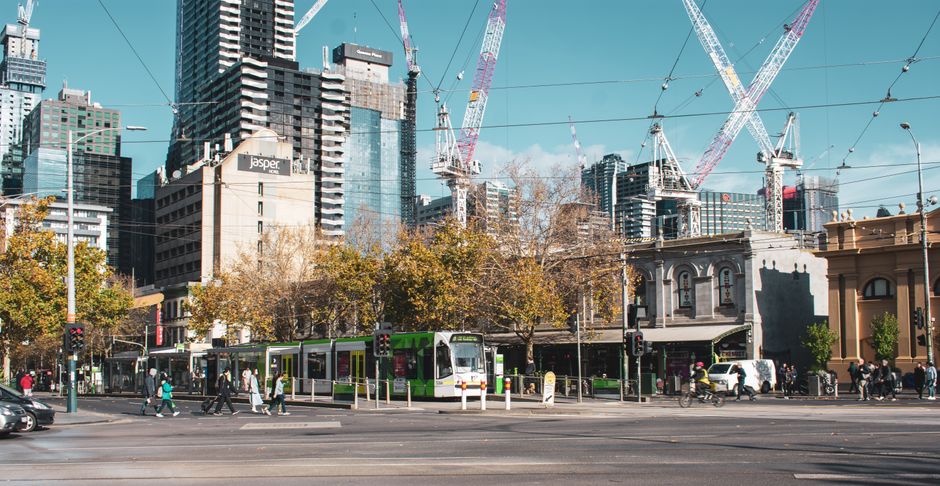
Cranes are going up across Melbourne's inner suburbs, but the city's worst rental crunch in a generation isn't waiting for construction schedules.
4 min read
Cranes are going up across Melbourne's inner suburbs, but the city's worst rental crunch in a generation isn't waiting for construction schedules.
4 min read
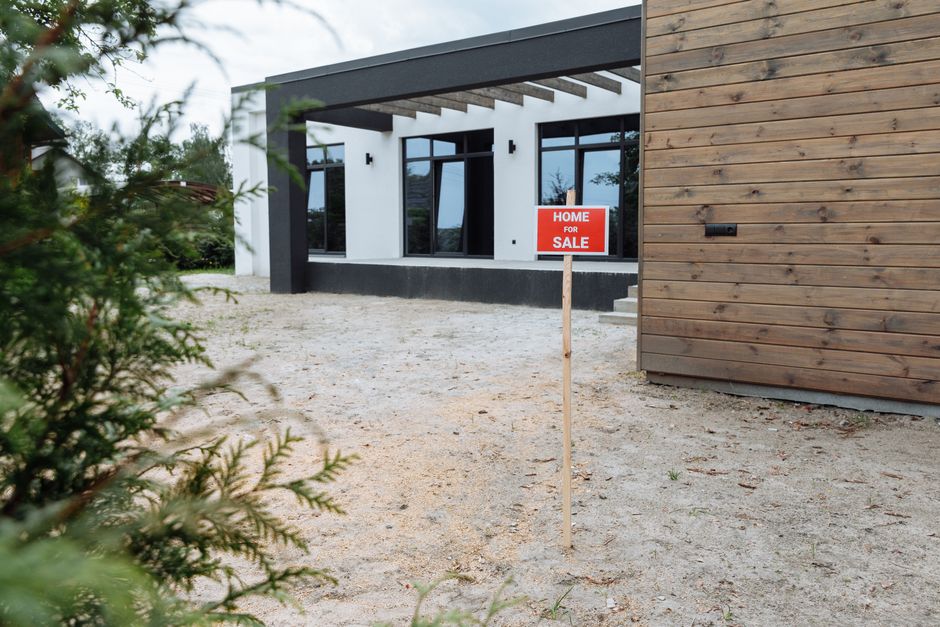
Melbourne's rental vacancy rate sits at roughly 1.2 percent as of June 2026 — barely above the near-zero lows recorded during the post-COVID migration surge — and the development projects that were supposed to ease that pressure are still years from delivering a single key. That gap between groundbreaking announcements and actual bedrooms is costing tenants money right now.
This matters because Victoria's rental market has entered a peculiar phase of paralysis. Median weekly rents for houses across Melbourne have pushed past $620 in inner and middle-ring suburbs, according to figures from the Real Estate Institute of Victoria, while unit rents in sought-after pockets like South Yarra and Fitzroy are regularly clearing $500 per week for one-bedroom stock. At the same time, sellers are losing confidence in the auction system, meaning potential owner-occupier stock is staying off the market longer and feeding pressure back into the rental pool.
The concentrated pipeline of new apartments tells its own story. The Arden precinct in North Melbourne, centred on the proposed Arden Station on the Metro Tunnel line, has attracted several large-scale residential towers with planning permits lodged or approved in the past 18 months. Developer ICD Property has a mixed-use project approved along the Macaulay Road corridor, while the Victorian Government's own urban renewal framework designates Arden as a 10,000-dwelling precinct over the next two decades. Two decades. That timeframe does nothing for the renter paying $580 a week in a converted Victorian terrace in Kensington today.
Down the Frankston corridor, the picture is different but not necessarily better. Dandenong and Cranbourne have seen medium-density approvals moving faster through Casey City Council's planning process, partly because land values — still below $500,000 for a suburban block in many pockets — make construction economics more viable. Yet rental demand in the outer southeast has climbed sharply off the back of migration flows from India and Nepal into the Casey-Cardinia local government area, and new townhouse completions are being absorbed almost immediately upon listing.
The Bayside belt is essentially static on the development front. Brighton and Sandringham have single-dwelling heritage overlays protecting large swathes of residential land from medium-density redevelopment. Rental stock there doesn't turn over so much as evaporate; a three-bedroom house in Hampton that went for $780 per week in mid-2024 is fetching $870 now.
The landlord narrative of windfall gains has genuine limits. Insurance premiums on investment properties in Melbourne have climbed 22 percent over two years, according to data from the Insurance Council of Australia. Land tax changes introduced under the Allan Government in 2024, which lowered the threshold for trust structures, pushed a measurable cohort of small investors to list their properties for sale rather than continue renting them — actually tightening supply further in the short term. The Residential Tenancies Act amendments that took effect in March 2025 also added compliance costs that some smaller landlords weren't prepared to absorb.
Advocacy group Tenants Victoria, based in the CBD on Little Bourke Street, has been fielding a record number of calls about rent increases above the informal Consumer Price Index guidance — cases where landlords are citing higher holding costs as justification for 10 to 15 percent annual increases. The organisation has pushed the state government to examine a formal rental increase framework, though no legislation has yet been introduced.
The practical reality for anyone searching for a rental in Melbourne before the end of 2026 is blunt: the development pipeline will not rescue you this year. Prospective tenants competing in established suburbs like Thornbury, Coburg, or Preston should expect to apply for six to ten properties before securing one. Those with flexibility should look seriously at apartments in the Docklands precinct, where vacancy is relatively elevated due to ongoing investor sell-downs, with one-bedroom units available in the $430–$460 per week range — a genuine discount against comparable inner-city stock. For the longer term, watch the Arden and Flemington Road corridors; when the Metro Tunnel opens fully in 2026 and precinct development accelerates, those suburbs represent the most credible supply story Melbourne has right now.
Partner Content
SponsoredPartner Content lets Melbourne businesses reach engaged local readers with a clearly labelled, editorial-style feature. Every placement is marked Sponsored, in line with our sponsored content policy.
About this article
Published by The Daily Melbourne
Daily brief
Free, in your inbox before 7am. Weekdays.
You might also like
Property
Property
Property
Property
Free daily briefing
The Daily Network