Melbourne Middle-Ring Suburbs: Property Market Shift 2024
Buyers are shifting from prestige postcodes to middle-ring suburbs like Coburg and Northcote. Discover which established Melbourne suburbs offer best value near the CBD.
2 min read
Buyers are shifting from prestige postcodes to middle-ring suburbs like Coburg and Northcote. Discover which established Melbourne suburbs offer best value near the CBD.
2 min read
Listen to this article · 3:47
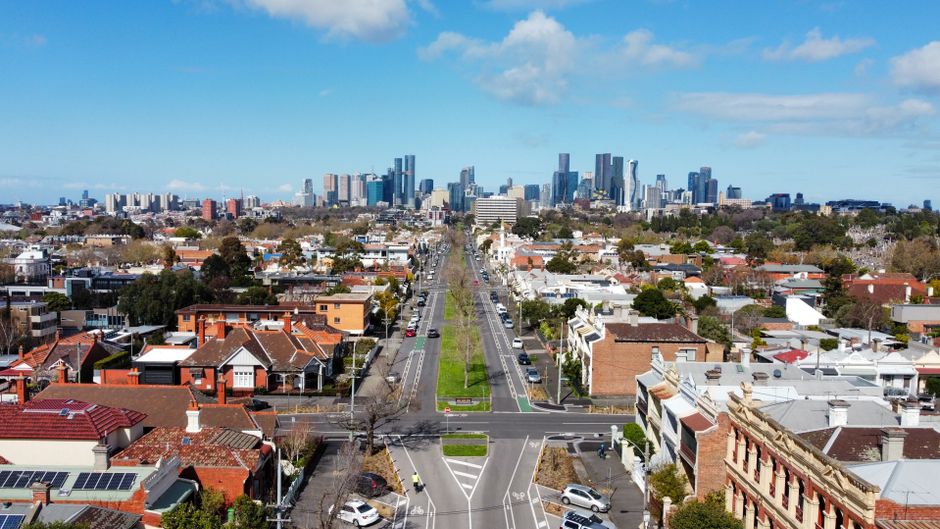
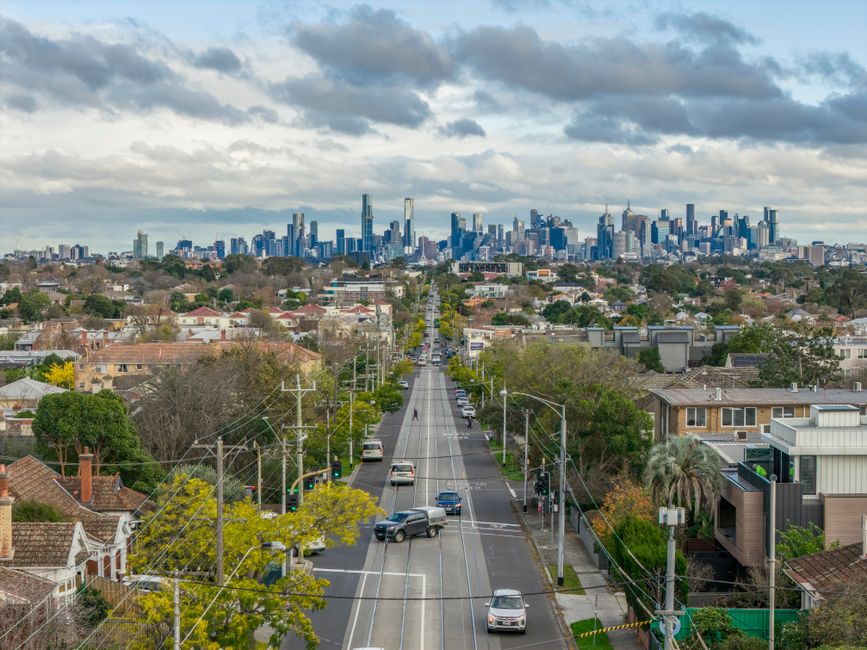
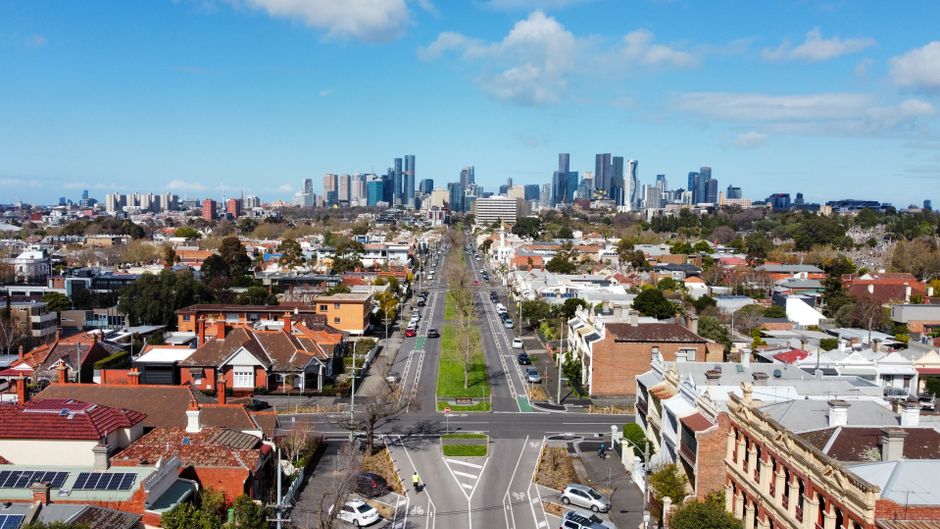
Melbourne's property market is undergoing a subtle but significant realignment. As prestige properties in Toorak and Brighton command eye-watering prices, a growing cohort of buyers is turning their attention to the middle-ring suburbs that ring the inner city—and the results are reshaping affordability across the metro area.
Data from the past quarter reveals a notable trend: while median house prices across Victoria remain steady around $920,000, suburbs like Coburg, Northcote and Brunswick are experiencing sharper appreciation than their wealthier neighbours. Properties in these traditionally working-class precincts are now fetching 8-12% above asking prices, a striking reversal from the cautious conditions plaguing auctions in Malvern and Canterbury.
"What we're seeing is a flight to substance," says local market analyst. "Young families and investors alike are recognising that $850,000 buys you a renovated Victorian terrace with character in Fitzroy North, versus a dated weatherboard in the Bayside zone."
The Frankston corridor—long championed as an emerging growth area—is validating that thesis. New data shows median prices from Bentleigh to Carrum have climbed steadily, with Mordialloc and Aspendale attracting first-home buyers priced out of inner precincts. Unit prices in these beachside suburbs now hover around $580,000-$650,000, offering genuine lifestyle appeal without the $1.2m+ penalty of Bayside proper.
Inner East suburbs are also proving resilient. Hawthorn East, Camberwell and Glen Waverley continue to attract professional buyers seeking proximity to the CBD and established schools. While prices have cooled from their 2021 peaks, the $1.1m-$1.3m range remains competitive for substantial family homes on decent blocks.
The unit market tells a parallel story. With median apartment prices holding at approximately $620,000 across metropolitan Melbourne, astute investors are gravitating toward mixed-use precincts like Footscray and Docklands, where new supply and amenity upgrades are driving long-term growth potential.
Migration pressures continue to underpin demand across all segments—rental yields remain attractive and population growth projections remain strong. However, the days of indiscriminate buying appear numbered. This market now rewards selective positioning in suburbs with genuine fundamentals: transport connectivity, community infrastructure, and realistic price-to-value propositions.
For buyers navigating current conditions, the message is clear: look beyond the glossy prestige postcodes. Melbourne's next chapter of growth may well be written in the suburbs where character, space, and genuine affordability still exist.
This article was compiled by AI from the sources linked above and screened before publishing. See our editorial standards.
About this article
Published by The Daily Melbourne
Daily brief
Free, in your inbox before 7am. Weekdays.
You might also like
Free daily briefing