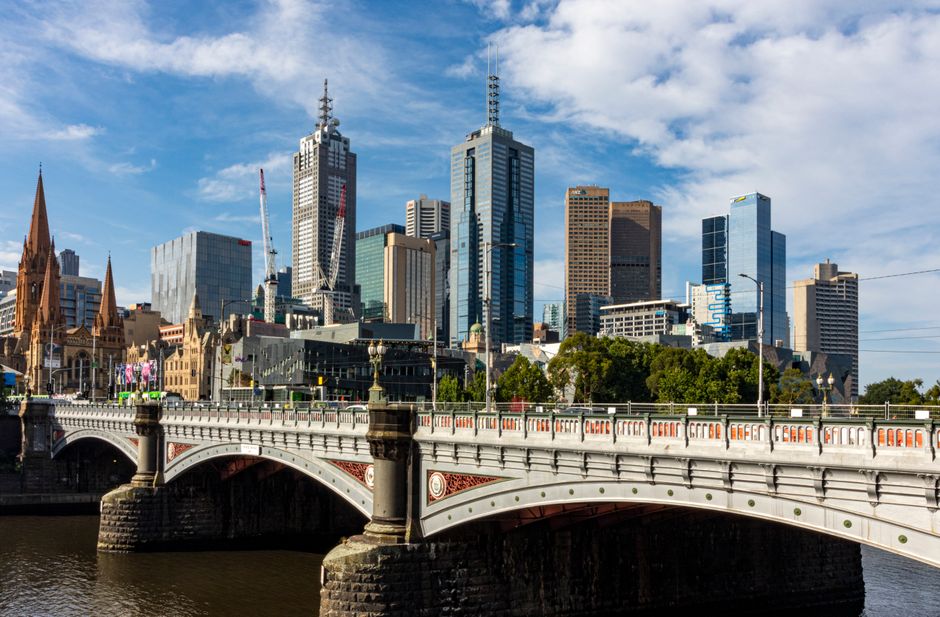
Walk along the Yarra near Abbotsford on a Sunday morning and you'll witness a quiet revolution. Rowing boats slice through the water in disciplined formation, while kayakers navigate the gentle current—part of a broader surge in water sports participation that's transforming Melbourne's relationship with its aquatic spaces.
The trend reflects hard data. Membership across major Melbourne rowing clubs has grown by an estimated 22 per cent since 2023, according to community sport organisations tracking participation rates. Southbank's inner-city swimming collectives report waiting lists for the first time in a decade, while dragon boat teams operating from Port Melbourne have expanded from three to seven competitive crews in just 18 months.
What's driving the boom? Community, largely. Unlike gym memberships or individual training regimes, water sports demand regular interaction. The Collingwood Swimming Club, nestled near Yarra Bend Park, now hosts 340 active members—up from 210 in 2022. The club's weekend social swims have become neighbourhood fixtures, attracting not just competitive swimmers but families seeking affordable aquatic access in an increasingly expensive city.
"There's something about being on or in the water that builds genuine connection," explains one longstanding member perspective shared across multiple Melbourne clubs. The communal change rooms, shared training sessions, and social events create bonds that extend beyond the sporting activity itself.
The economics matter too. Annual memberships at most Melbourne rowing clubs range from $650 to $1,200, making organised water sports more accessible than many assume. Casual participation options—pay-as-you-go kayaking sessions, drop-in swimming groups—have lowered barriers further. Footscray Canoe Club's recent expansion programme introduced beginner courses at $180 for eight-week modules, attracting demographics historically underrepresented in water sports.
Infrastructure investment has helped. Improvements to Abbotsford's boathouse precinct and enhanced safety features along the Lower Yarra have made regular participation less daunting for newcomers. Docklands' new recreational waterway access points have similarly enabled casual swimmers and paddlers to join established communities.
The social dividend extends beyond membership numbers. Several clubs now operate youth development programmes targeting underserved suburbs, while mentorship structures connect experienced athletes with newcomers. These networks—built literally around water—are creating something increasingly rare in urban Melbourne: spaces where strangers become regulars, where shared purpose builds real community.
As winter approaches and outdoor swimming season peaks, Melbourne's water sports clubs stand poised to welcome another influx of participants seeking both athletic challenge and authentic neighbourhood connection.
This article was compiled by AI from the sources linked above and screened before publishing. See our editorial standards.