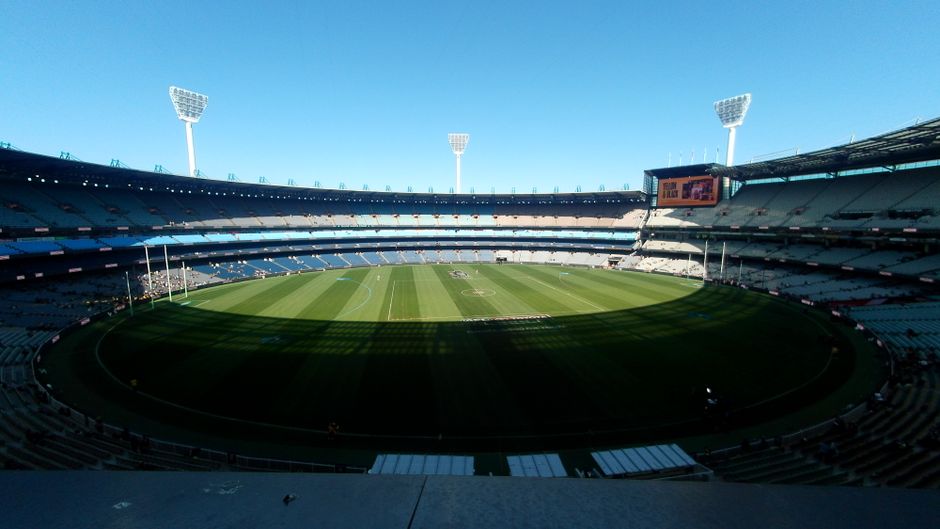
Melbourne's sports venues are experiencing a fascinating paradox. While traditional stadium attendance at AFL and cricket matches has plateaued, data from the city's network of specialised fitness facilities tells a strikingly different story: we're more invested in our own athletic participation than ever before.
The numbers paint a compelling picture. State Netball and Basketball Victoria Centre in Parkville reported a 34 per cent surge in community court bookings over the past three years, while CrossFit boxes across Southbank, Collingwood, and Brunswick consistently maintain 85 per cent membership capacity. Meanwhile, the MCG's general stadium tours—a proxy for passive engagement—have declined by roughly 12 per cent since 2022.
What's driving this shift? Melbourne's fitness culture has fundamentally fragmented. Rather than gathering as spectators, Melburnians are increasingly becoming the spectacle themselves, participating in structured, often social fitness experiences that feel more intimate than a 100,000-seat stadium.
Consider the inner suburbs. A mapping of boutique studios across Fitzroy, Carlton, and Abbotsford reveals over 140 dedicated fitness venues within a 3-kilometre radius—from $25-per-class spin studios to $180-per-month climbing gyms. The Australian Fitness Industry Association reports Melbourne's per-capita spending on boutique fitness classes is 23 per cent above the national average. We're paying premium prices, and the venues are thriving.
The trend extends to running culture. parkrun, the free weekly 5-kilometre community run, now hosts over 8,000 participants across its 12 Melbourne locations each Saturday morning. That's roughly equivalent to a sold-out North Melbourne home game—except it happens every week, rain or shine, at locations like the Tan in Burnley and the Botanic Gardens.
Participation data from Tennis Victoria shows court bookings through affiliated clubs have increased 28 per cent since 2020, though courts remain geographically concentrated around wealthier postcodes like Toorak and Camberwell. Aquatic facilities operated by City of Melbourne report steady engagement, with peak-hour pool sessions regularly at capacity across facilities on Batman Avenue and in the eastern suburbs.
The implications are significant. Melbourne's sports culture isn't declining—it's democratising and individualising. We're less interested in passive spectatorship and more focused on self-directed fitness narratives. Whether that's sustainable, whether it truly reflects broader health improvements, or whether it simply indicates Melbourne's boutique fitness economy has matured beyond spectator sport—that's the conversation the city should be having.
For venue operators and fitness entrepreneurs, the message is clear: participation data suggests Melbourne's future isn't in filling large stadiums. It's in multiplying smaller, specialised spaces across every neighbourhood.
This article was compiled by AI from the sources linked above and screened before publishing. See our editorial standards.