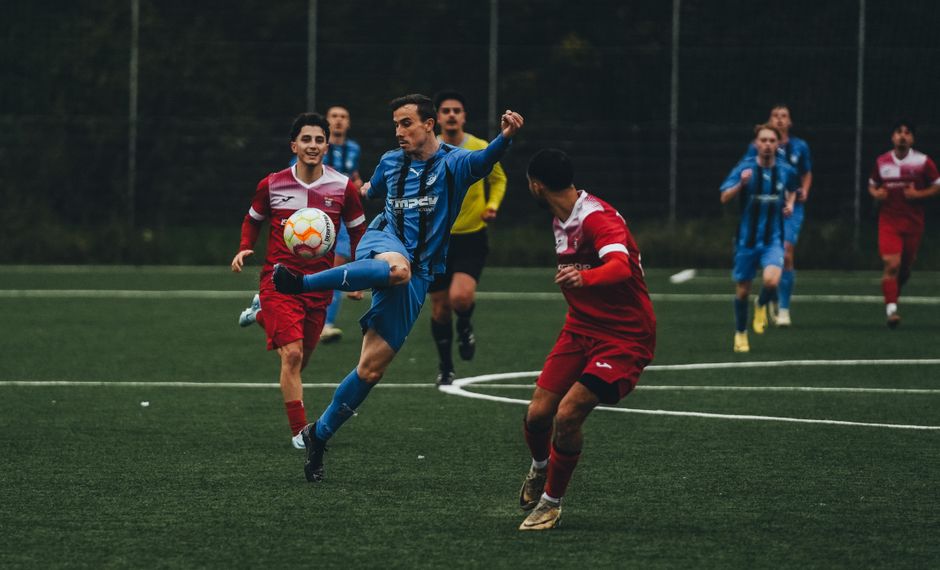
Enrolments in community football programs across Melbourne's inner north and west have surged by 31 percent since January, according to Football Victoria's mid-year participation report released this week — the sharpest single-season jump the governing body has recorded in more than a decade. The number didn't arrive from nowhere. World Cup fever, a growing migrant population with deep roots in the game, and a clutch of councils finally spending money on synthetic pitches have combined to push participation past 187,000 registered players across the state.
The timing matters. Australia watched the Socceroos fall on penalty kicks against Egypt in the World Cup last 32 on Saturday — the same gut-punch pattern that has haunted the national program for a generation. But the grief at the senior level sits in sharp contrast to what is building beneath it. Community clubs are full. Waiting lists exist. The pipeline, for once, looks real.
Where the Growth Is Actually Happening
Drive along Footscray Road toward the Maribyrnong River on any Saturday before 9am and you'll find Yarraville Village FC running three simultaneous junior training sessions at Cruickshank Park. The club registered 340 players for the 2026 winter season — up from 241 last year — and has had to negotiate with Maribyrnong City Council for extra ground time just to accommodate the demand. Their under-10s girls team, which didn't exist two years ago, now fields two separate squads.
Across the city in Springvale, the South East Melbourne Phoenix Football Club — not the basketball franchise, a separate community outfit founded in 2019 by a group of South Sudanese and Ethiopian families — has grown to 210 registered players spanning six age groups. They train Tuesday and Thursday evenings at Springvale Reserve on Heatherton Road, often under floodlights paid for through a $180,000 Victorian Government Community Sport Infrastructure Fund grant awarded in March. The club's under-16 boys side finished runners-up in the Football Victoria State League Community Division last month.
Football Victoria's data shows the biggest growth is coming from three demographics: girls aged 8–14, adult women's over-35 competitions, and newly arrived communities concentrated in the local government areas of Brimbank, Greater Dandenong, and Hume. The Hume City region alone added 14 new junior teams between February and June this year.
The Infrastructure Problem Nobody Is Solving Fast Enough
Growth at this pace creates problems. Natural grass pitches in Melbourne's west are notoriously unplayable from June through August — the Football Victoria season runs March to September, meaning clubs lose roughly eight to ten home fixtures a year to waterlogged grounds. A synthetic pitch at Sunshine's Derek Urban Reserve, funded jointly by Brimbank Council and Sport and Recreation Victoria at a cost of $3.4 million, opened in April and is already booked solid seven days a week. There are five similar projects in the pipeline across Melbourne's growth corridors, but the earliest any will open is mid-2027.
Registration costs remain a friction point. The average junior registration fee across metropolitan Melbourne clubs sits at $285 per season in 2026, a figure that has risen 18 percent since 2023. Football Victoria's Kickoff Fund, which provides fee subsidies for families holding Health Care Cards, distributed $620,000 in assistance last season — but clubs report that awareness of the program remains low, particularly among newly arrived communities who don't always engage with peak-body websites or English-language communication.
For anyone wanting to connect with the movement before the winter season closes out in September, Football Victoria's website lists every affiliated club by postcode. Clubs in the inner west — including Yarraville Village FC and Williamstown United — are actively recruiting volunteer assistant coaches for the 2027 pre-season, with training available through the FA's free online grassroots coaching platform. The western suburbs state government office on Paisley Street in Footscray also holds a community sport information session on the third Wednesday of every month. The next one is July 15.