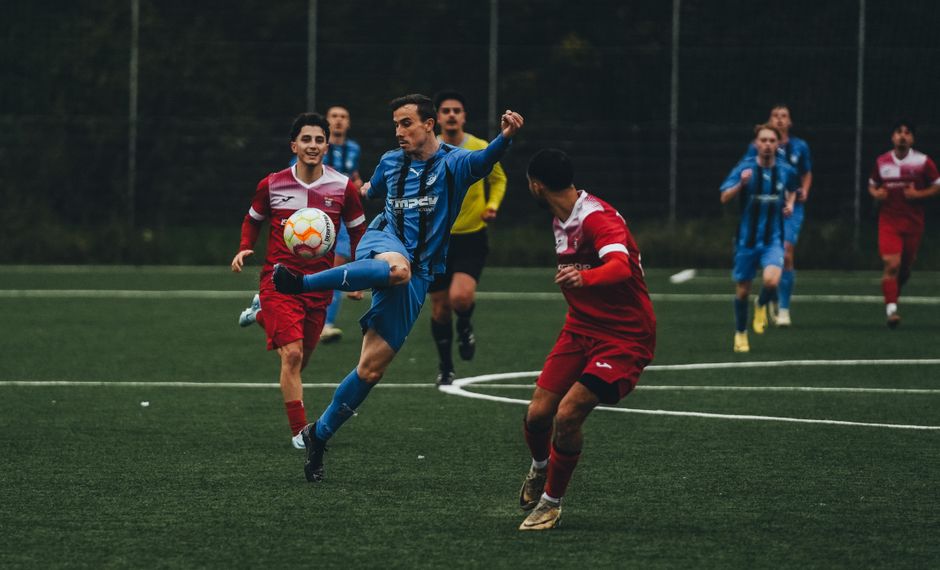
The numbers don't lie. Seven weeks remain in the A-League Men's regular season, and Melbourne holds two of the top five positions on the ladder — a situation that hasn't existed simultaneously for both City and Victory since the 2018-19 campaign. For a city that spent much of this week watching its national sides fall short on the world stage, the local football conversation is about to get very loud, very fast.
The timing matters. Australia's World Cup exit on penalties against Egypt in the last 32 — another gut-punch in a long line of tournament disappointments — has redirected the focus of the city's substantial football community back to domestic football with unusual urgency. When the Socceroos go out, Melbourne's clubs become the story. The AAMI Park faithful, who packed the Batman Avenue ground to 19,500 on a cold Wednesday night in June, have already demonstrated this season that appetite for local football is surging.
City vs Victory: A Finals Race with Real Stakes
Melbourne City, based at their academy precinct in Bundoora and playing home games at AAMI Park in East Melbourne, currently sit third on the ladder with 42 points from 21 games. Victory, who draw enormous support from the western suburbs stretching out through Footscray and Sunshine, are fifth with 38 points and two games in hand. The mathematical gap is smaller than it looks.
City's strength has been defensive consistency — they've conceded just 23 goals this season, the second-fewest in the competition. Their recruitment ahead of the January transfer window brought in a central midfielder from the Dutch Eredivisie on a reported deal worth $620,000 per season, a significant spend by A-League standards that signalled genuine ambition. Victory, by contrast, have leaned on youth, with four players aged 21 or under featuring regularly in their starting XI since Round 12.
The Western United factor complicates the picture for both clubs. The Geelong-and-Sunshine Coast-based side, who split their home games between GMHBA Stadium in Geelong and Cbus Super Stadium on the Gold Coast, sit fourth and represent the most likely team to push one of the Melbourne clubs out of a top-six finals berth. Their next fixture against Victory on July 18 at GMHBA Stadium is already being described by club insiders as a six-pointer in every meaningful sense.
What the Finals Picture Actually Looks Like
The A-League Men's finals series begins September 5, with the top six clubs qualifying. The top two sides receive home semi-final advantages — a significant benefit given AAMI Park's atmosphere and the fact that Melbourne City have won six of their last seven home finals fixtures dating back to 2020.
For supporters planning ahead, City's remaining home games include a marquee clash against Sydney FC on August 1 — tickets currently listed between $28 and $75 on the club's official website — and a local derby against Victory on August 22 that is already close to sold out across several seating categories. That derby, the third between the clubs this season, carries the additional weight of potentially determining final ladder positions.
Melbourne Victory's Community Cup program, run in partnership with the City of Maribyrnong and targeting junior clubs in the inner-west, has drawn over 3,400 participants this season — a club record. It reflects a deliberate push to deepen roots in suburbs like Footscray and Yarraville that traditionally haven't been Victory heartland. Those new supporters will want something to celebrate come September.
The path forward is clear enough. City need to hold their defensive structure and stay healthy through a congested July schedule that includes three games in 11 days. Victory need their games in hand to count. And Melbourne football, bruised by the international calendar's latest disappointments, needs both clubs to deliver a finals race worth watching. The evidence of the last three months suggests they just might.