How Local Clubs are Thriving and Building Community Across Melbourne
Grassroots sport is surging across the city, with new initiatives transforming clubs into vital neighbourhood hubs.
3 min read
Grassroots sport is surging across the city, with new initiatives transforming clubs into vital neighbourhood hubs.
3 min read
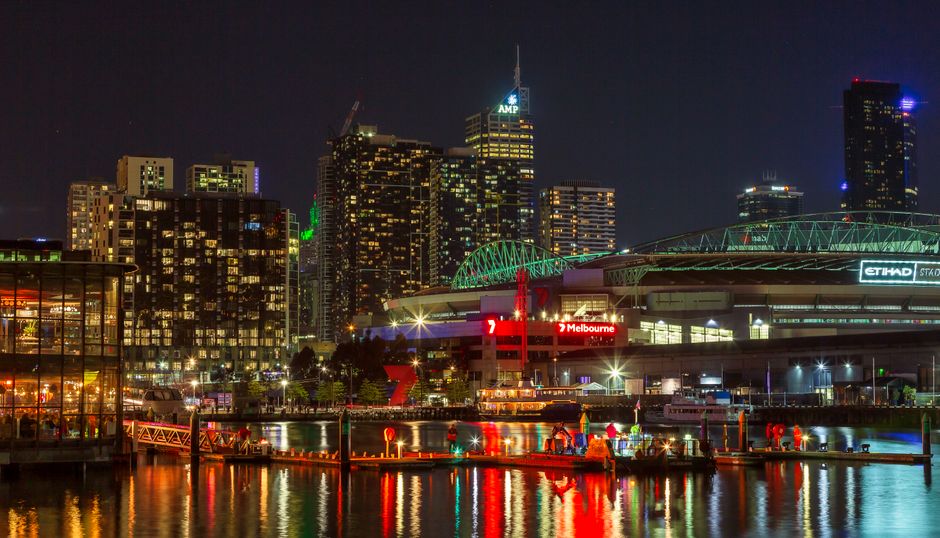
Saturday afternoons in Melbourne are looking busier these days—not just at the 'G or Marvel Stadium, but in clubrooms tucked along Sydney Road, on the grass of Princes Park, and under the floodlights at Footscray’s Henry Turner South Reserve. With World Cup drama capturing headlines and the Socceroos again falling just short, local sport here is decidedly on the up, as dozens of Melbourne clubs report record sign-ups and growing neighbourhood support.
The renewed energy comes at a critical time. With winter setting in and elite football in the global spotlight, community clubs offer more than just a ball and whistle—they’re tackling issues of isolation, cost-of-living pressures, and connection. The Victorian Department of Jobs, Skills, Industry and Regions pointed this out directly in its June report, noting that every dollar invested in grassroots sport delivers nearly three times that in community benefits across health, employment, and cohesion. It’s precisely this multiplier effect that’s spurring both council and private initiatives to get more locals on the pitch, in the pool, or down at the clubrooms, regardless of age or background.
In Carlton North, the Fitzroy Lions Junior Football Club has doubled its Auskick enrolments over three years, with 420 kids currently training at Edinburgh Gardens every Sunday. Meanwhile, over in Dandenong on Clow Street, the Afghan Community Soccer Club’s Women’s Division has added 55 new players in 2024 since the council launched its new free kit loan scheme. Clubs like the Darebin Falcons, based at AH Capp Reserve in Preston, are breaking down barriers for women and gender-diverse players, running weekly skills clinics and community dinners that fill the pavilion with families until late.
The latest figures from Active Victoria’s May 2026 survey show a surge in registered club members: 238,700 Melburnians regularly play a community sport through a local club, up 12% from 2022. Grants are playing a major part. In the last round of the Sporting Club Grants Program, 45 Melbourne clubs received up to $4,000 each for new equipment, training, or social outreach—money that, for instance, has allowed the Port Melbourne Sharks to launch their Saturday night socials for newly arrived migrant families.
It’s not just about the game. University of Melbourne researchers tracking urban social outcomes say that neighbourhoods with strong sporting club participation see 18% higher rates of neighbour-to-neighbour volunteering and informal support, compared to city averages. Membership fees remain comparatively accessible, too: a full junior winter season at most local football or netball clubs runs between $130-$300, with discounts or payment plans increasingly common following the city council’s Club for All initiative rolled out in February.
With community sport front and centre, winter club social calendars are jammed. The Northcote Cricket Club has locked in its annual winter trivia night for July 19 at the historic All Nations Hotel, while the Footscray Hockey Club’s open community BBQ—free for all club neighbours—hits McIvor Reserve on August 10. Prospective members are encouraged to check club websites or councils’ local sport pages for try-outs and open days, many scheduled for early September as spring approaches.
Partner Content
SponsoredPartner Content lets Melbourne businesses reach engaged local readers with a clearly labelled, editorial-style feature. Every placement is marked Sponsored, in line with our sponsored content policy.
About this article
Published by The Daily Melbourne
Daily brief
Free, in your inbox before 7am. Weekdays.
You might also like

Sport

Sport
Sport
Sport
Free daily briefing
The Daily Network