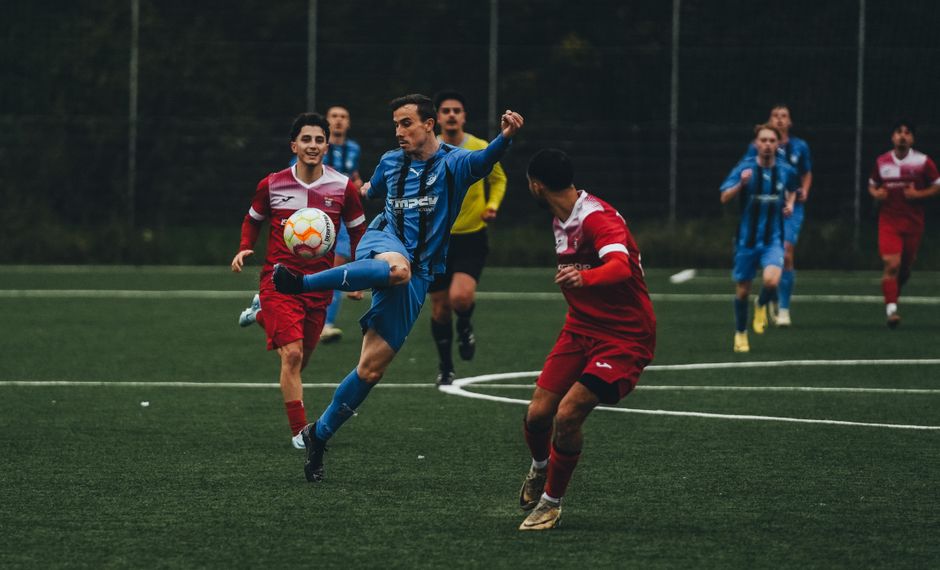
Melbourne currently hosts more than 1,200 sanctioned sporting events annually across its publicly owned venues — a figure that the Victorian Government's Sport and Recreation division confirmed has grown by roughly 18 per cent since 2021. This weekend's twin blows to Australian sport, with the Wallabies falling agonisingly to Ireland in the Nations Championship and the Socceroos crashing out of the World Cup on penalties in the last 32, have sharpened the domestic conversation about what it actually takes to build elite athletic culture from the ground up. The short answer is concrete, grass, floodlights and money.
The timing matters. The Victorian Government is in the middle of a $1.7 billion infrastructure cycle tied partly to its commitment to host matches during the 2027 Rugby World Cup and to bed down upgrades promised after the Commonwealth Games debacle. Those projects stalled significantly after the 2023 regional games cancellation, leaving several suburban facilities — including Moorabbin's RSEA Park and the State Netball and Hockey Centre on Brens Drive in Parkville — in an awkward funding limbo that sport administrators have been quietly lobbying to resolve ever since.
The Big Sheds Are Fine. The Rest Is Complicated.
At the top end, Melbourne's flagship venues are doing what they were built to do. The Melbourne Cricket Ground, which holds 100,024 spectators and sits at the junction of Brunton Avenue and Olympic Boulevard in Richmond, remains the largest stadium in the Southern Hemisphere and has a full redevelopment study currently sitting on the desk of the MCG Trust. The study, commissioned in late 2025, is examining whether a partial roof enclosure over the northern stand is financially viable within a 10-year window without a public subsidy exceeding $400 million.
Marvel Stadium in Docklands, owned and operated by the AFL, completed a $225 million renovation in phases between 2018 and 2023 that added corporate suites along the western side and regraded the playing surface drainage. The roof mechanism — which still takes around 12 minutes to close — has been the subject of ongoing maintenance contracts totalling just over $8 million since 2024.
AAMI Park on Olympic Boulevard, the 30,050-seat rectangular stadium managed by Melbourne and Olympic Parks, is arguably the busiest mid-tier venue in the country right now. It hosts Melbourne City, Melbourne Victory, Melbourne Storm and Melbourne Rebels across a calendar that sometimes requires the grounds crew to turn the pitch around in under 48 hours. The groundskeeping team uses a hybrid Desso GrassMaster system — the same surface technology used at several Premier League grounds — with each playing surface replacement costing approximately $600,000.
Suburban Infrastructure Left Behind
Below that tier, the picture is more uneven. Community clubs in Melbourne's outer east — particularly in the Maroondah and Knox council areas — are still relying on facilities built in the 1970s and 1980s. Knox Athletics Track on Tormore Road in Bayswater has not had a surface replacement since 2011. Several AFL community leagues in the Dandenong Ranges region submitted a joint submission to the state government in March 2026 requesting urgent oval lighting upgrades, arguing that insufficient floodlighting is pushing junior training sessions into dangerous late-season conditions.
Meanwhile, the$45 million Casey Fields precinct expansion in Cranbourne East — which broke ground in February this year — is the most significant community-level sporting investment in Melbourne's south-east in over a decade. The project is adding two new synthetic pitches, upgraded change rooms and a regional aquatic hub to an area whose population has grown by 27 per cent since 2019.
The state government's next infrastructure statement is due in September. Sport administrators across codes will be watching closely to see whether community facilities get a dedicated capital line or are once again folded into broader parks and recreation grants that rarely stretch far enough. For now, the elite venues shine. The question is what is being built underneath them.
Tell Melbourne your story
Partner Content lets Melbourne businesses reach engaged local readers with a clearly labelled, editorial-style feature. Every placement is marked Sponsored, in line with our sponsored content policy.
About this article
Published by The Daily Melbourne
This article was produced by the The Daily Melbourne editorial desk and covers sport in Melbourne. See our editorial standards for how we use AI.
See something wrong? Suggest a correction.
Daily brief
Enjoyed this? Wake up to Melbourne news every morning.
Free, in your inbox before 7am. Weekdays.