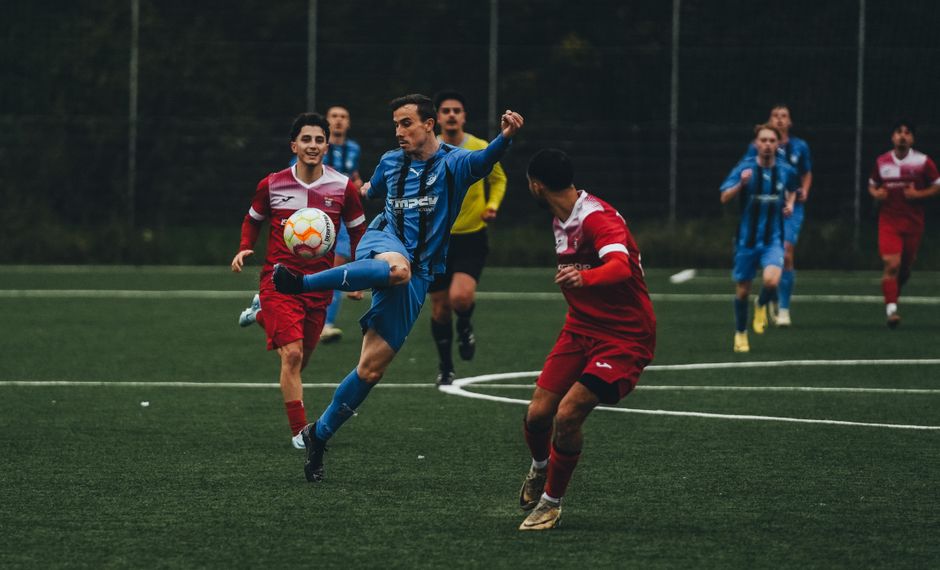
Membership at Melbourne's community sporting clubs has climbed to its highest level in a decade. Across the city's 31 local government areas, more than 640,000 Melburnians are now registered members of a community club — up roughly 18 per cent since 2022, according to Sport and Recreation Victoria's most recent participation audit released in March. The bounce-back from pandemic-era lows is real, and it is being felt at the turnstile, in the canteen queue and on the scoreboard.
The timing matters. With Australia's dual sporting heartbreaks this weekend — the Wallabies agonisingly losing the Nations Championship and the Socceroos bowing out of the World Cup on penalties against Egypt — there is renewed attention on what the game looks like beyond the elite tier. The argument from club administrators, council planners and local coaches is a consistent one: the health of Australian sport does not live or die with a missed penalty in Dallas or a late Irish try. It lives at the Yarraville Sports Club on Anderson Street on a freezing July Saturday morning. It lives at the Coburg Lions' Piranha Park in the Northern suburbs. It shows up in the fog at Princes Park.
Grounds That Do More Than Host Games
Princes Park in Carlton North has become a useful case study in what a well-used sporting precinct can look like. The Carlton Football Club's community arm runs after-school programs out of the Ikon Park facilities six days a week during term time, servicing more than 1,200 young people from Fitzroy North, Brunswick and Parkville. The $10-a-session access fee has been deliberately kept low to keep the door open regardless of postcode. The main oval is in use from 7 a.m. most mornings — personal trainers, junior football squads, a walking group run by the Carlton Community Trust for residents 65 and over.
Further south, the St Kilda Football Club's RSEA Park on Linton Street in Moorabbin has been redeveloped since 2021 into a facility the local South East councils actively point to as a template. The $34 million upgrade — partially funded through a Victorian Government Community Sport Infrastructure grant — added four multi-purpose courts, a publicly accessible gymnasium and a hydrotherapy pool now shared with the Moorabbin Aquatic Centre. On any given Tuesday afternoon, the car park is a mix of Saints AFLW players arriving for a session and Bentleigh residents in their sixties using the pool for rehabilitation. That combination is not accidental.
Numbers Behind the Growth
The data is instructive. Melbourne's inner west has seen junior football and soccer registrations grow 23 per cent in three years, with the Western Bulldogs' community pathways program — operating out of Whitten Oval in Footscray — recording 3,400 junior participants in 2025, the highest figure in the program's history. The Dogs pushed that number through school partnerships with 41 state primary schools between Sunshine and Port Melbourne.
Soccer tells a similar story. Football Victoria reported in its 2025 annual review that club-affiliated players in metropolitan Melbourne hit 187,000 — a record — driven largely by growth in the outer suburbs, particularly the Cranbourne and Pakenham corridors in Melbourne's south-east. The Cranbourne City Soccer Club opened a second pitch at Merinda Park in October 2025 after a three-year waiting list for junior registrations. It cost $2.1 million, with $800,000 coming from the Casey City Council's open space levy fund.
The practical picture here for families looking to get involved is straightforward: most metropolitan clubs have mid-season intake windows opening in the last two weeks of July, covering everything from community football to futsal to women's netball competitions. Cricket Victoria's new online club finder — launched at cricket.com.au in May — maps all 347 affiliated Melbourne clubs by suburb, fees and age group. For those feeling the pull of a big sporting weekend and wondering where they fit into the picture, the answer is closer than the TV screen suggests.
Tell Melbourne your story
Partner Content lets Melbourne businesses reach engaged local readers with a clearly labelled, editorial-style feature. Every placement is marked Sponsored, in line with our sponsored content policy.
About this article
Published by The Daily Melbourne
This article was produced by the The Daily Melbourne editorial desk and covers sport in Melbourne. See our editorial standards for how we use AI.
See something wrong? Suggest a correction.
Daily brief
Enjoyed this? Wake up to Melbourne news every morning.
Free, in your inbox before 7am. Weekdays.