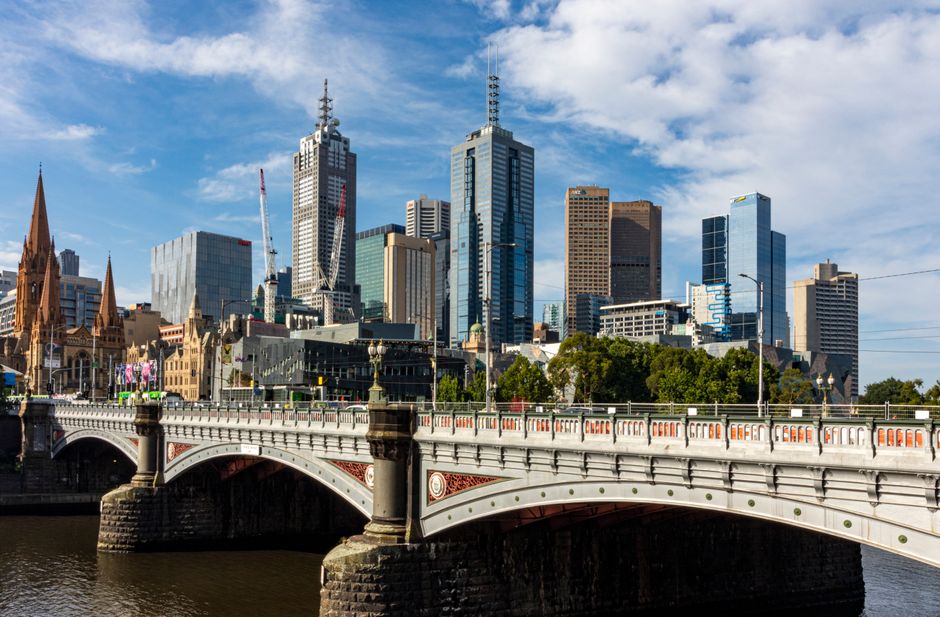
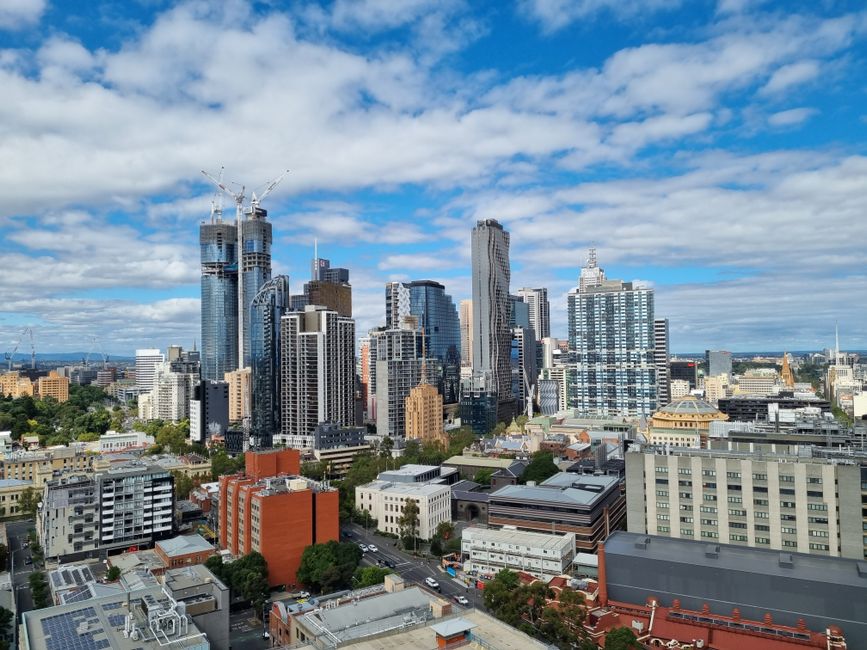
Melbourne's startup ecosystem is experiencing a recalibration. After two years of cautious investment and tightened purse strings, mid-market funding rounds are picking up again, and the city's tech founders are seizing the moment with a noticeably different playbook than their predecessors.
The shift is most visible in the eastern suburbs corridor. Companies operating from converted warehouses in Collingwood, Abbotsford, and Fitzroy are increasingly attracting attention from institutional investors—not just the venture capital firms clustered around Level 27 in the CBD, but also family offices and corporate venture arms looking to back Australian-founded technology with global ambition. The quality of technical talent concentrated in these precincts remains a competitive advantage that Melbourne maintains over most Australian cities.
What's striking about the current moment is the focus on sustainability and climate technology. Several Melbourne-based startups are now in serious commercial deployment phases, moving beyond proof-of-concept. This reflects both investor appetite and genuine market demand—particularly from major Australian corporates keen to meet emissions reduction targets. Hardware-software hybrid companies, in particular, are finding traction here, leveraging Melbourne's existing manufacturing knowledge and expertise in engineering.
The business services sector remains robust too. Software-as-a-service companies serving professional services, legal, and financial sectors continue to generate reliable revenue, though the era of hypergrowth valuations appears genuinely over. Founders are now emphasising unit economics and path to profitability earlier in their company lifecycle—a healthier dynamic than the venture-fuelled spending sprees of the late 2010s.
Co-working spaces across the CBD and inner precincts are busier than they were 18 months ago, though the days of overstuffed, wall-to-wall startup incubators seem to have passed. Founders increasingly prefer smaller, more focused office arrangements, often sharing spaces with established professional services firms.
One notable trend: there's visible momentum in founder diversity. Women-led companies are securing funding at higher rates than the national average, and teams with members from non-traditional tech backgrounds—healthcare, agriculture, government—are increasingly prevalent.
The upcoming 12 months will reveal whether this stabilisation represents genuine sustainable growth or another cyclical uptick. For now, though, Melbourne's startup community feels purposeful rather than frantic, focused rather than desperate. That's worth watching.
This article was compiled by AI from the sources linked above and screened before publishing. See our editorial standards.