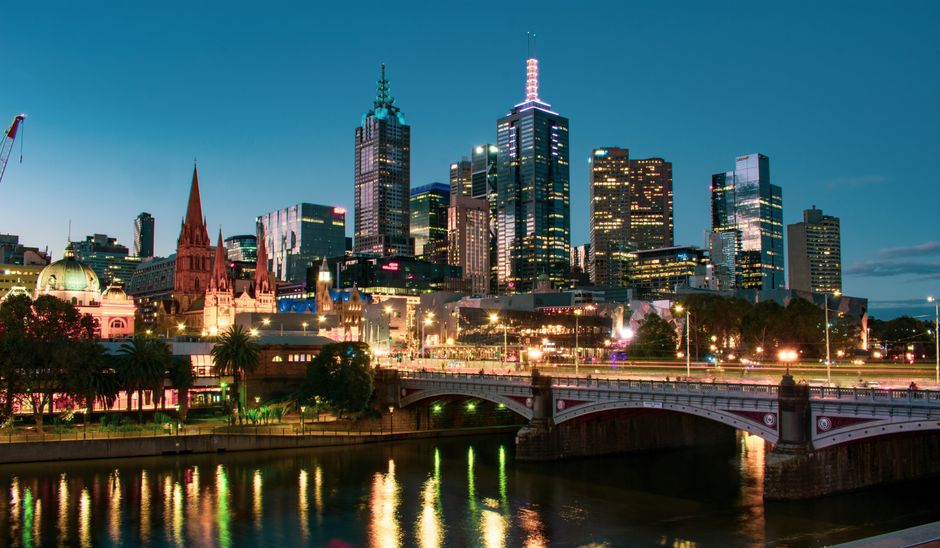
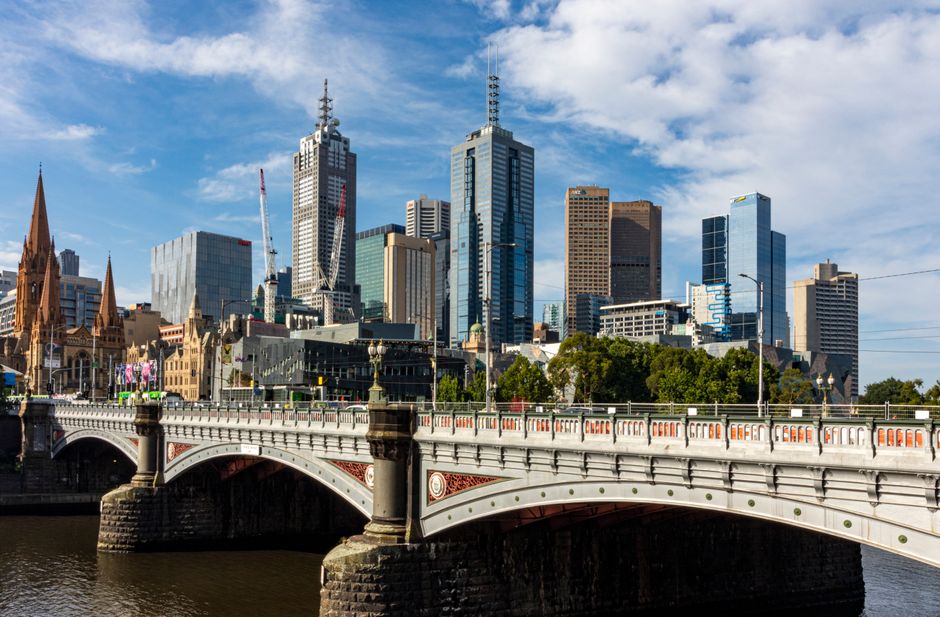
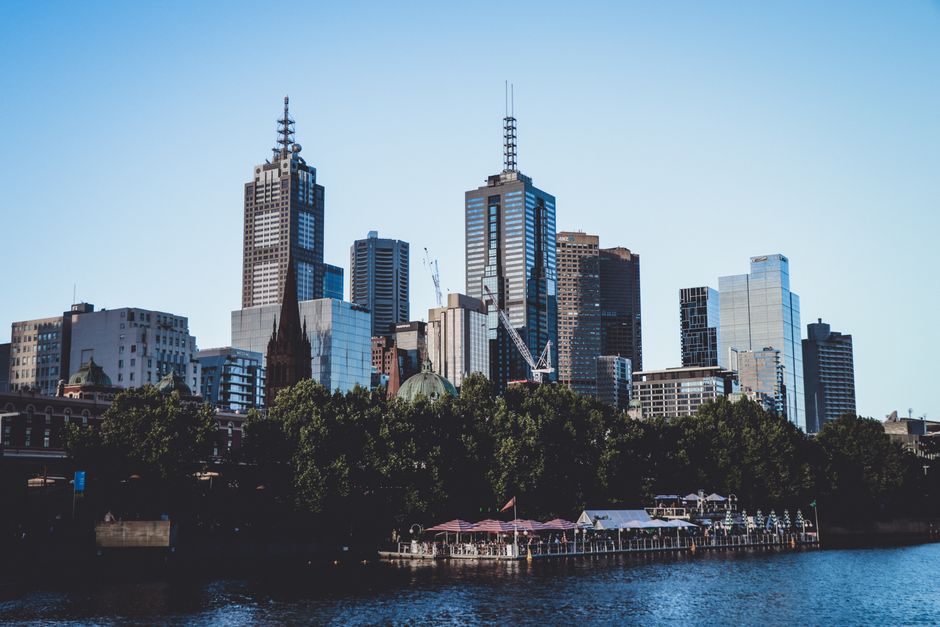
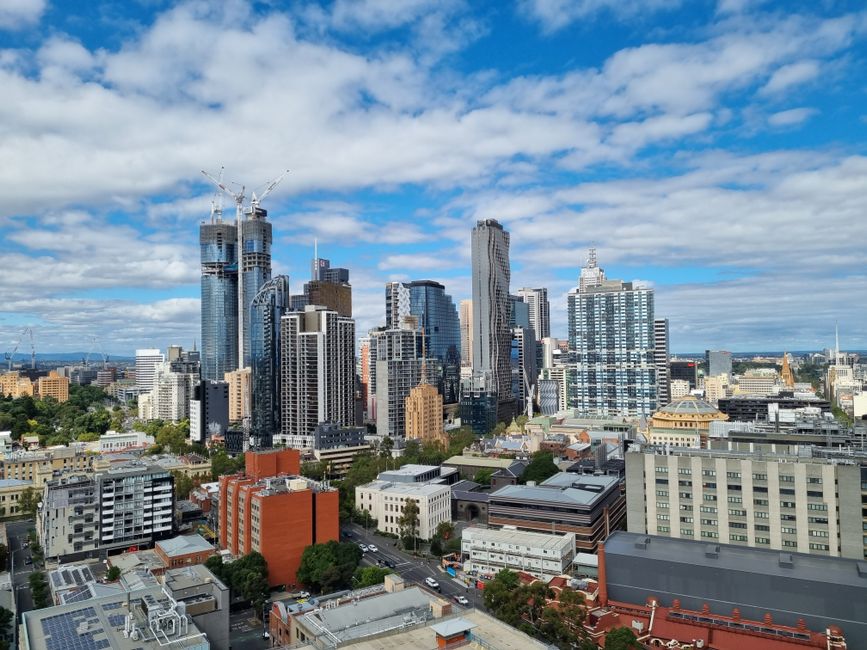
Walk into any Melbourne council office—say, Docklands or Southbank—and you'll notice something that hasn't changed much in a decade: residents still queue to lodge complaints, attend meetings, or request services. A scrappy three-year-old startup called CityMesh is betting that's about to change entirely.
Founded by former City of Melbourne digital strategist Sarah Chen and data engineer Marcus Okonkwo, CityMesh has developed an AI-powered platform that consolidates fragmented communication channels between councils and their constituents. Rather than juggling separate systems for planning complaints, waste management, community permits, and emergency notifications, councils now get a single dashboard that aggregates, prioritises, and routes citizen requests intelligently.
The company, which recently moved into a larger space on Johnston Street in Fitzroy, has already secured pilots with four Victorian councils representing more than 1.2 million residents. Early data is striking: response times to non-emergency requests have dropped by 45 per cent, and processing costs per inquiry have fallen by roughly $8 per interaction—savings that compound quickly at scale.
What makes CityMesh different from the dozens of other govtech startups now circling Australian municipalities isn't the technology—it's the obsession with the last-mile problem. Most digital transformation projects stumble because they ignore how staff actually work. CityMesh embedded its team inside councils for six months before building anything, watching how duty officers prioritise complaints during emergencies, how rangers manage competing demands, and why so many service requests fall through cracks.
The platform's emergency module, deployed during a recent trial with a western suburbs council, flagged a water main burst on Royal Parade within minutes of the first three complaints arrived—something the old manual system would have missed entirely. That's not just efficiency; it's resilience.
Pricing is deliberately non-predatory: councils pay a per-resident annual fee rather than a sprawling licensing model, aligning CityMesh's incentives with actual outcomes rather than feature bloat. For a council the size of Yarra or Maribyrnong, that works out to roughly $1.50 per resident annually.
Melbourne's tech ecosystem has long punched above its weight in fintech and healthcare software. CityMesh represents an emerging pattern: young founders solving infrastructure problems that governments have complained about for years but never quite managed to fix themselves. As cities worldwide grapple with digital inequality, aging systems, and resident frustration, watch this space.
This article was compiled by AI from the sources linked above and screened before publishing. See our editorial standards.