Why Melbourne's Fintech Scene Stands Apart in the Global Banking Revolution
From Fitzroy to the CBD, the city's unique blend of regulatory pragmatism and startup ambition is reshaping how the world thinks about financial innovation.
3 min read
From Fitzroy to the CBD, the city's unique blend of regulatory pragmatism and startup ambition is reshaping how the world thinks about financial innovation.
3 min read
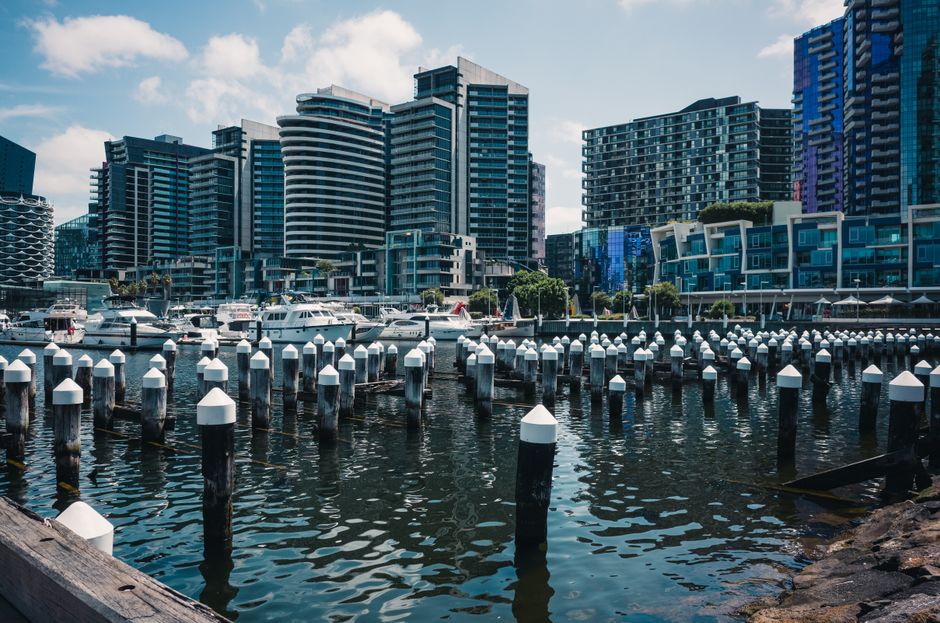
Melbourne's fintech ecosystem has quietly become one of the world's most distinctive—not because it chases the loudest trends, but because it solves problems nobody else is tackling with the same rigour.
Walk through Cremorne or Southbank's digital precincts and you'll find something unusual for a city of Melbourne's size: a fintech sector that bridges institutional finance and startup culture without the ego that defines Silicon Valley or the regulatory handwringing that slows London's scene. This balance is deliberate, cultivated over two decades of trial, error, and genuine innovation.
Australia's relatively mature regulatory environment—particularly ASIC's proportionate approach to licensing—has created space for experimentation that other markets restrict. Fintech founders here don't spend millions on compliance theatre before they've validated a single customer. They build first, then work with regulators who actually understand technology. That pragmatism attracts talent from across the Asia-Pacific region, creating a centre of gravity that's increasingly hard to ignore.
The numbers back this up. Melbourne now hosts over 400 fintech companies, with venture funding reaching $1.2 billion in 2025. But more telling is the diversity: payments platforms, embedded finance solutions, institutional-grade APIs, and open banking infrastructure all grew from Melbourne foundations. Unlike hubs obsessed with consumer-facing apps or cryptocurrency plays, Melbourne's fintech tends toward the unglamorous work of rebuilding financial plumbing—the kind of work that generates genuine economic value.
The city's geographic position matters too. Nestled between Asian financial powerhouses and serving an increasingly digital Australian economy, Melbourne's fintech founders naturally build for multiple time zones. They're not thinking of Australia as a market; they're thinking of the region. Companies based in Fitzroy's converted warehouses often have their first paying customers in Singapore or Hong Kong before they seriously pursue local deployment.
There's also institutional support that feels organic rather than manufactured. The University of Melbourne and RMIT both run deep fintech research programs. Major Australian banks, headquartered here or with significant operations nearby, genuinely collaborate with startups rather than treat them as threats. It's not Silicon Valley's venture-fuelled Wild West, but it's not the stodgy traditionalism of older financial centres either.
As geopolitical tensions reshape global finance and companies urgently seek alternatives to dominant US and Chinese platforms, Melbourne's fintech sector is positioned as something rare: trustworthy, technically sophisticated, and genuinely independent. That's not an accident. It's the product of a city that learned to build the future without waiting for permission.
This article was compiled by AI from the sources linked above and screened before publishing. See our editorial standards.
About this article
Published by The Daily Melbourne
Daily brief
Free, in your inbox before 7am. Weekdays.
You might also like
Tech
Tech

Tech
Tech
Free daily briefing