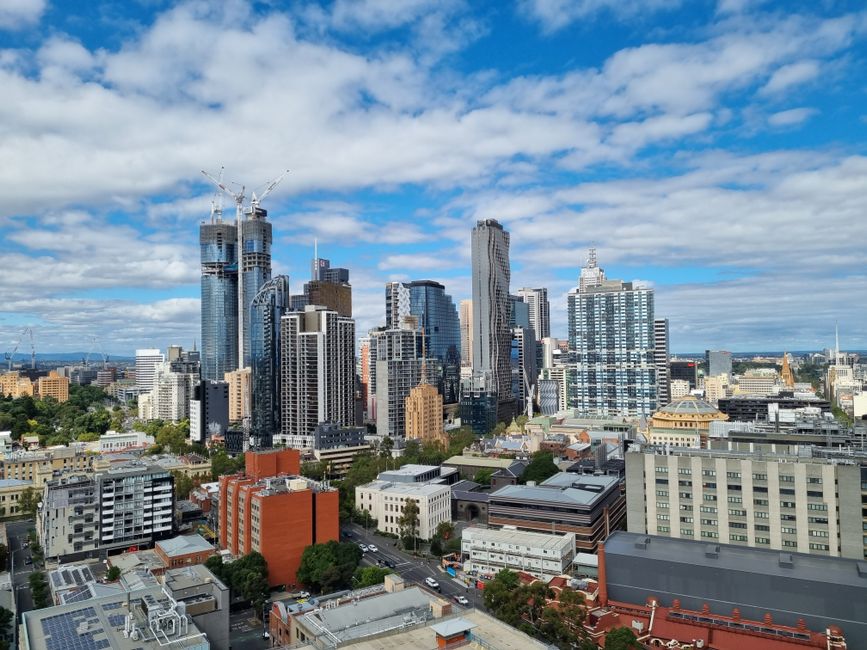
Walk through the streets of Fitzroy on a sunny afternoon and you'll notice something that would have seemed unusual just five years ago: rooftop solar installations have become as common as terracotta tiles. The transformation reflects a broader shift reshaping Melbourne's relationship with energy, one household at a time.
Across the inner north and western suburbs, residential solar adoption has accelerated dramatically. Data from the Clean Energy Council shows Victoria's rooftop solar capacity has tripled since 2019, with metropolitan Melbourne driving much of that growth. For residents, the payoff is tangible: a typical 6.5-kilowatt system can trim annual power bills by $1,200 to $1,500—meaningful savings for families stretched by Melbourne's rising cost of living.
But the changes extend beyond individual rooftops. In inner-city precincts like Brunswick and Coburg, community battery projects funded through state government grants are storing excess solar energy generated during peak daylight hours, releasing it when demand peaks in early evening. This decentralized approach means fewer blackouts, lower network strain, and more stable electricity costs for residents.
The sustainability shift is reshaping Melbourne's commercial landscape too. Flinders Street Station's recent retrofit included extensive LED upgrades and solar installations, reducing its operational carbon footprint by a projected 40 percent. Meanwhile, businesses across the CBD and southside suburbs are installing smart energy management systems that monitor consumption in real-time, automatically adjusting heating, cooling, and lighting to minimize waste.
For commuters, electric vehicle infrastructure has become unavoidable—in the best way. Charging stations now dot car parks from the Dandenongs to Docklands, with the City of Melbourne installing 200-plus public chargers across council-managed facilities. EV owners report lower fuel costs and reduced maintenance expenses, offsetting higher purchase prices through everyday savings.
The human cost of transition shouldn't be overlooked. Older Victorians on fixed incomes face upfront installation costs, though government rebate schemes and community financing programs are expanding access. Social enterprises across the western suburbs are helping renters and low-income households access solar through shared schemes.
What's striking is the speed of normalization. Five years ago, solar was seen as an environmental statement. Today, it's a financial decision—one that increasingly makes sense for ordinary Melburnians navigating higher living costs. That shift from ideology to practicality may prove to be the real green revolution.
This article was compiled by AI from the sources linked above and screened before publishing. See our editorial standards.