Melbourne's AI Roadmap: What Tech Startups Are Building Next
As artificial intelligence reshapes local business, developers across Fitzroy and the CBD reveal the products set to transform Melbourne's economy over the next 18 months.
2 min read
As artificial intelligence reshapes local business, developers across Fitzroy and the CBD reveal the products set to transform Melbourne's economy over the next 18 months.
2 min read
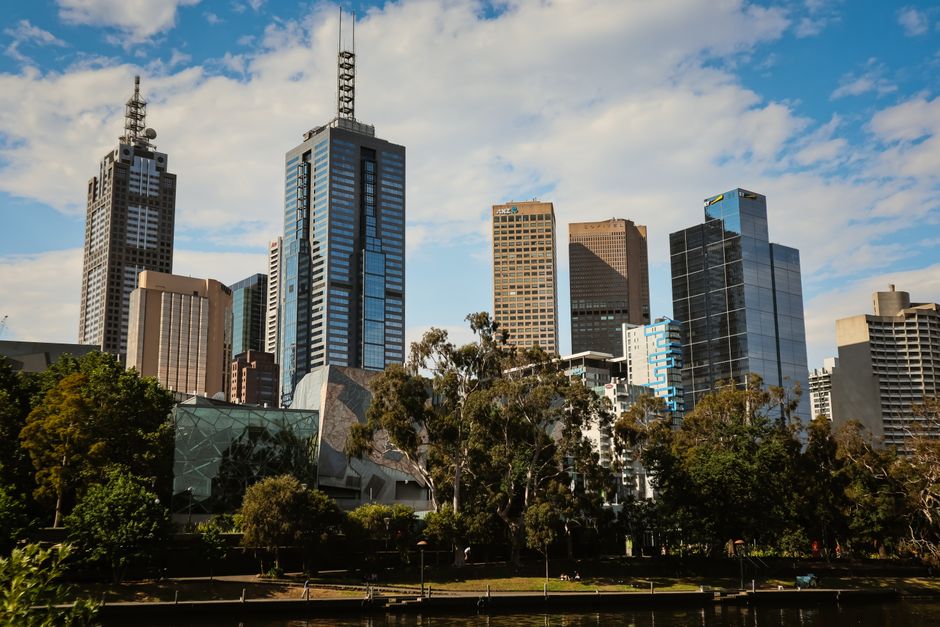
Melbourne's artificial intelligence sector is moving beyond chatbots and data analysis. Across the laneways of Fitzroy and office towers in the CBD, local tech teams are engineering the next wave of AI applications—and they're designed specifically for Australian enterprises grappling with workforce challenges and operational bottlenecks.
The convergence is notable. In 2025, Victoria accounted for approximately $1.8 billion in AI-related venture capital investment, according to recent industry surveys. Now, developers working from shared spaces like WeWork Bourke Street and independent studios across Brunswick are shipping products targeting healthcare automation, agricultural analytics, and supply-chain optimisation.
Predictive maintenance tools dominate the development pipeline. Multiple Melbourne-based teams are building systems that monitor manufacturing equipment in real time, using computer vision and machine learning to flag component failures before they occur. For businesses operating from industrial precincts around Port Melbourne and Footscray, reducing unplanned downtime translates directly to margin protection.
In the healthcare vertical, local AI researchers are focusing on diagnostic support systems tailored to Australian medical workflows. These aren't replacements for clinicians—rather, they're designed to accelerate pathology review and patient intake processes. With demand outpacing capacity across Victoria's public health system, automation in administrative triage addresses a genuine structural problem.
The financial services angle is equally significant. Compliance automation tools are in advanced development stages. Given the regulatory complexity surrounding ASIC requirements and AML frameworks, local fintech teams see substantial demand from mid-market banks and lending institutions based throughout the city's CBD and Docklands precincts.
What distinguishes Melbourne's roadmap from overseas development hubs is the emphasis on sector-specific solutions. Rather than building generic AI platforms, local developers are embedding industry knowledge—understanding how Australian regulations, climate conditions, and labour markets actually function.
The talent pipeline remains stretched. Salaries for experienced machine learning engineers in Melbourne now range between $180,000 and $280,000 annually, pushing smaller studios to invest heavily in training and retention. Several organisations have begun recruiting from overseas, with visa sponsorship becoming a competitive necessity.
By late 2027, expect to see these emerging products integrated into daily operations across Melbourne's major industries. The question isn't whether AI will reshape local business—it already is. The real story is how Melbourne's builders are ensuring that reshaping reflects local needs, constraints, and opportunities.
This article was compiled by AI from the sources linked above and screened before publishing. See our editorial standards.
About this article
Published by The Daily Melbourne
Daily brief
Free, in your inbox before 7am. Weekdays.
You might also like
Tech
Tech
Tech
Tech
Free daily briefing