Melbourne's coworking sector has exploded over the past five years, yet paradoxically, it's become more fragmented. Walk down Brunswick Street or Flinders Lane and you'll find WeWork competitors, independent operators, and corporate hybrid spaces competing for attention. Into this chaos steps Proximity, a locally-founded platform launching its full public rollout this week from a converted warehouse in Fitzroy.
The company's core innovation is deceptively simple: machine learning that predicts which coworking spaces will be quietest at specific times, then automatically books your preferred desk. Rather than the frustrating lottery of choosing a workspace three days in advance, Proximity's algorithm learns from booking patterns, noise sensors, and even Melbourne weather data to suggest optimal environments for deep work, collaboration, or focused calls.
"We realised remote workers weren't choosing spaces—spaces were choosing them," explains the team's founding engineer in recent correspondence. "You'd book a desk at a Southbank facility thinking you'd be productive, then arrive to find a corporate team running back-to-back meetings in the adjacent pod."
The platform integrates with 34 venues across inner Melbourne—from established players like Hub Australia to independent operators in Collingwood and South Yarra. Monthly subscriptions start at $129, undercutting standard coworking memberships by roughly 30 percent. Early adopters report a 23-minute average reduction in commute time, as Proximity suggests the physically closest available space offering their preferred working conditions.
What makes this locally significant is the timing. Melbourne's return-to-office mandate—less rigid than other major cities—has created a unique market segment: workers who need flexibility without permanent desk commitments. The Reserve Bank's recent office occupancy surveys suggest only 62 percent of Melbourne's CBD workforce is fully office-based, creating unpredictable demand across the coworking sector.
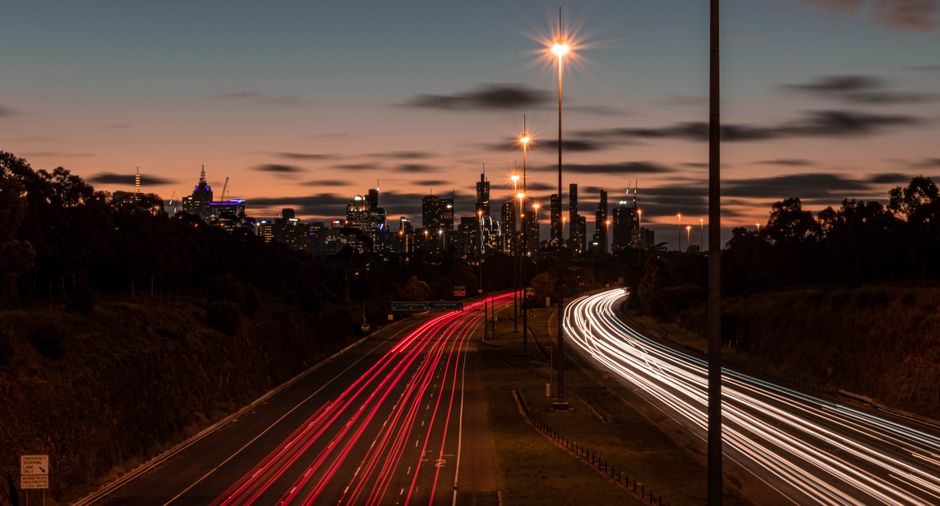
Proximity's real competitive advantage lies in its integration with Melbourne's particular geography. The algorithm accounts for peak commute times on the Burnley Tunnel and Westgate Bridge, suggesting alternative neighbourhoods when CBD spaces fill. It's hyper-local thinking, not Silicon Valley scalability.
The company has raised $2.1 million in seed funding, with backing from local venture partners and surprisingly, several traditional property developers exploring how technology reshapes real estate consumption. Whether it solves the deeper structural issue—whether coworking itself is economically viable—remains an open question. But for Melbourne's 47,000 occasional remote workers, Proximity is worth testing this month.
This article was compiled by AI from the sources linked above and screened before publishing. See our editorial standards.
About this article
Published by The Daily Melbourne
This article was produced by the The Daily Melbourne editorial desk and covers tech in Melbourne. See our editorial standards for how we use AI.
See something wrong? Suggest a correction.
Daily brief
Enjoyed this? Wake up to Melbourne news every morning.
Free, in your inbox before 7am. Weekdays.