Walk through Cremorne on a weekday morning and you'll spot the reason why tech investors are increasingly setting their sights on Melbourne's government technology sector. The suburb has become an unlikely hub for civic innovation, home to a cluster of startups and established firms tackling the messy, unglamorous work of making cities actually function better.
What distinguishes Melbourne's approach from other global tech hubs isn't just the calibre of talent—though the city's universities and existing software industry certainly help. It's the willingness of local government bodies like the City of Melbourne to experiment at scale, combined with an unusual appetite from state and federal agencies to embrace risk.
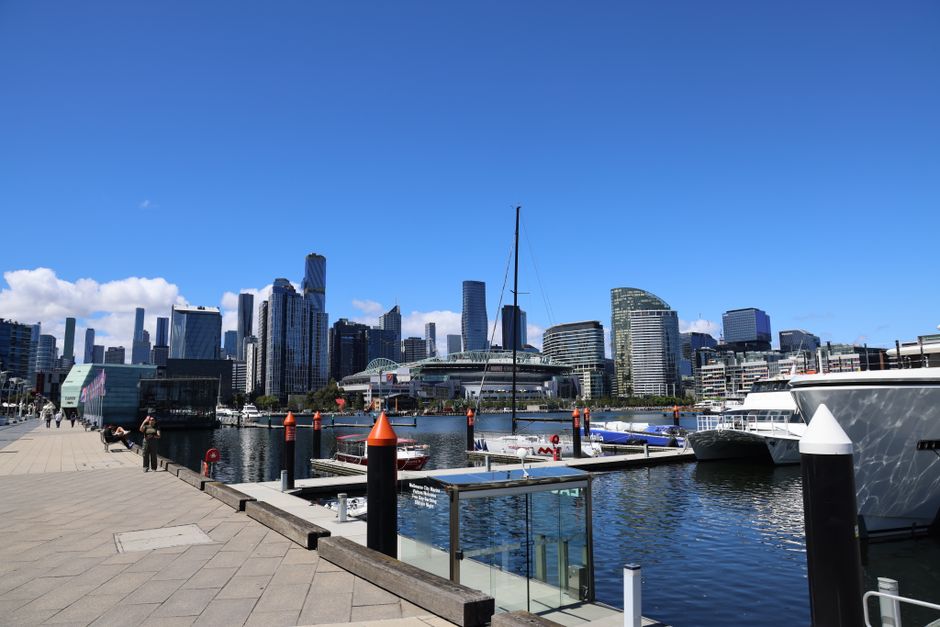
The numbers tell part of the story. Victoria's digital government initiatives have attracted over $340 million in venture funding since 2022, according to recent industry analysis. The state's digital transactions now account for roughly 68 per cent of all service interactions, significantly higher than comparable jurisdictions. Meanwhile, the city's smart infrastructure contracts—from transport optimization on Chapel Street to waste management systems across Docklands—have become case studies in universities from Singapore to Stockholm.
But the real secret lies in something less tangible: ecosystem density. Unlike Silicon Valley's venture-capital-first mentality or Singapore's top-down government efficiency, Melbourne has built something genuinely collaborative. The loop between Southbank's innovation precincts, Fitzroy's engineering workshops, and Spring Street's policy makers is remarkably tight. Start-ups here aren't just pitching to investors; they're pitching to actual customers with real problems and real budgets.
That accessibility matters. A founder developing transport analytics software can genuinely meet transport planners over coffee in the CBD. A civic tech startup debugging a permit application system isn't dealing with a faceless bureaucracy—they're troubleshooting with actual users who understand their constraints.
The city's govtech identity also reflects an older strength: manufacturing heritage. Melbourne's industrial past created problem-solving instincts that software engineers from pure-tech backgrounds often lack. There's less tolerance for elegant solutions that don't work in practice, and more respect for getting things done.
As cities worldwide grapple with aging infrastructure, climate adaptation and service delivery at scale, Melbourne's gov-tech ecosystem offers something increasingly rare: proof that innovation doesn't require choosing between efficiency and democracy, between speed and legitimacy. That combination is precisely why the city's trajectory matters globally—and why talent and capital are quietly flowing this way.
This article was compiled by AI from the sources linked above and screened before publishing. See our editorial standards.