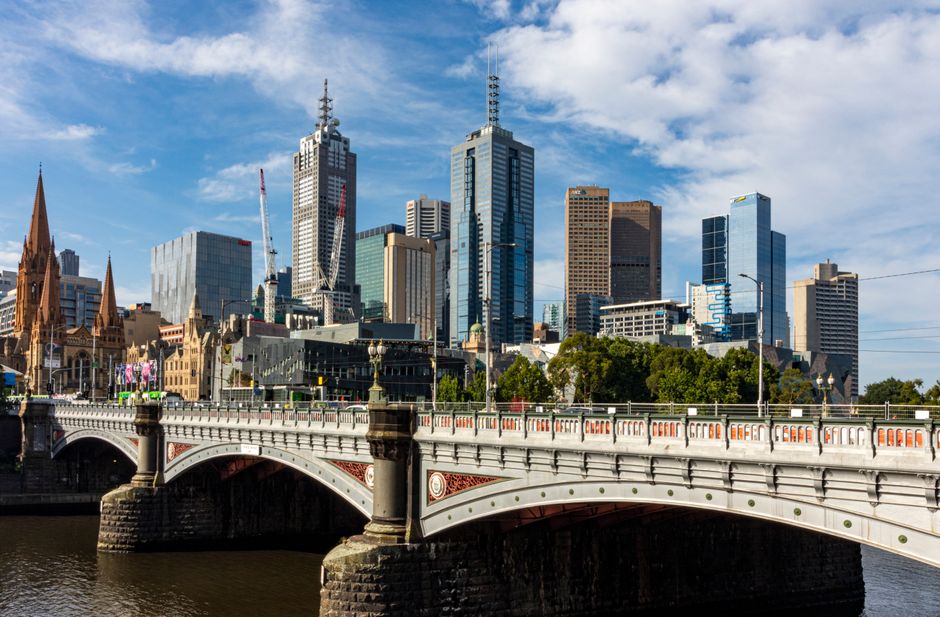
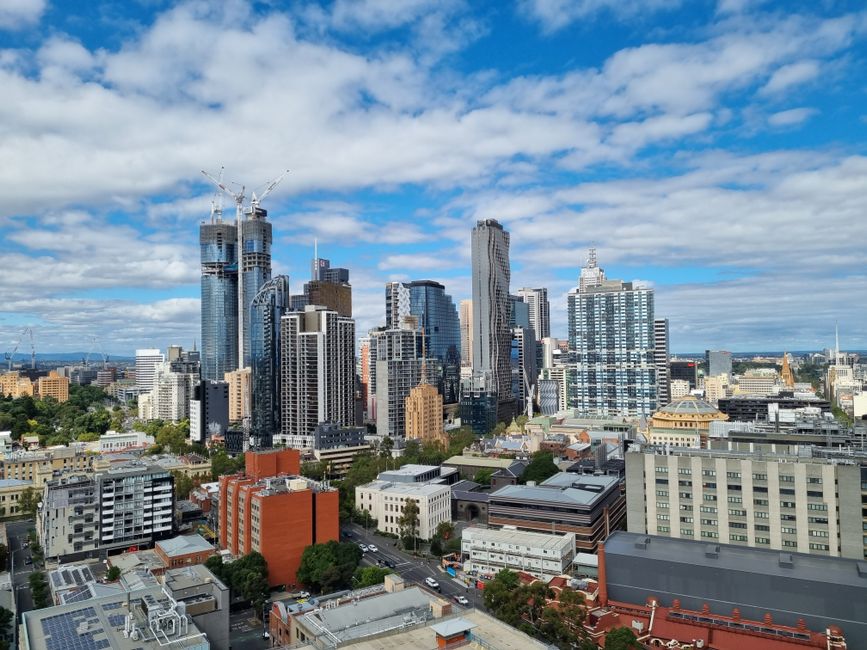
Walk into any of Melbourne's 150-plus coworking venues—from the sprawling WeWork-style operations in Cremorne to the boutique spaces dotting Fitzroy and South Yarra—and you'll encounter the seductive promise of modern work: flexibility, community, freedom from the office cubicle.
Yet beneath this glossy narrative lies a more complicated reality that Melbourne's thriving tech community is only beginning to grapple with seriously.
The numbers tell part of the story. Post-pandemic, remote work adoption in Australia stabilised around 25 per cent of the workforce, according to the Australian Bureau of Statistics. Coworking membership has surged, with average day-pass rates in Melbourne's inner suburbs now ranging from $45 to $80. Casual hot-desking memberships run $300–$500 monthly. For gig workers and freelancers, this represents genuine liberation from traditional employment structures. For others, it signals a troubling shift in risk.
'The promise is real,' says the research community at RMIT and the University of Melbourne's business schools, 'but we're seeing workers bear costs once absorbed by employers.' Unpaid breaks, blurred work-life boundaries, and the psychological burden of constant availability have become hallmarks of remote-first arrangements.
Beyond individual strain sit larger questions. Coworking spaces clustering around Southbank, Docklands, and the CBD are reshaping urban density in ways city planners still don't fully understand. Are we genuinely distributing work more equitably across Melbourne, or simply relocating corporate pressure points? Venues in cheaper areas like Brunswick and Coburg offer alternatives, yet accessibility remains a postcode lottery.
Data privacy and security present another blind spot. Shared networks, open layouts, and casual digital hygiene create vulnerabilities that enterprise IT departments would never tolerate. Yet regulatory frameworks lag far behind practice.
Perhaps most troubling is the ethical question of surveillance creep. Many coworking platforms now track member behaviour, movement patterns, and space utilisation with granular precision. Where's the consent in that data economy?
Melbourne's tech sector has long positioned itself as progressive, human-centred, solutions-oriented. The remote work revolution offers genuine benefits—reduced commute times, environmental gains, genuine flexibility for carers and neurodivergent workers. But progress requires honesty about trade-offs.
As more of us trade corner offices for shared desks across the city, we must ask: Who benefits from this shift, and who bears the costs? Until Melbourne's coworking community and policymakers confront these questions directly, we risk celebrating freedom while quietly constructing new forms of precarity.
This article was compiled by AI from the sources linked above and screened before publishing. See our editorial standards.