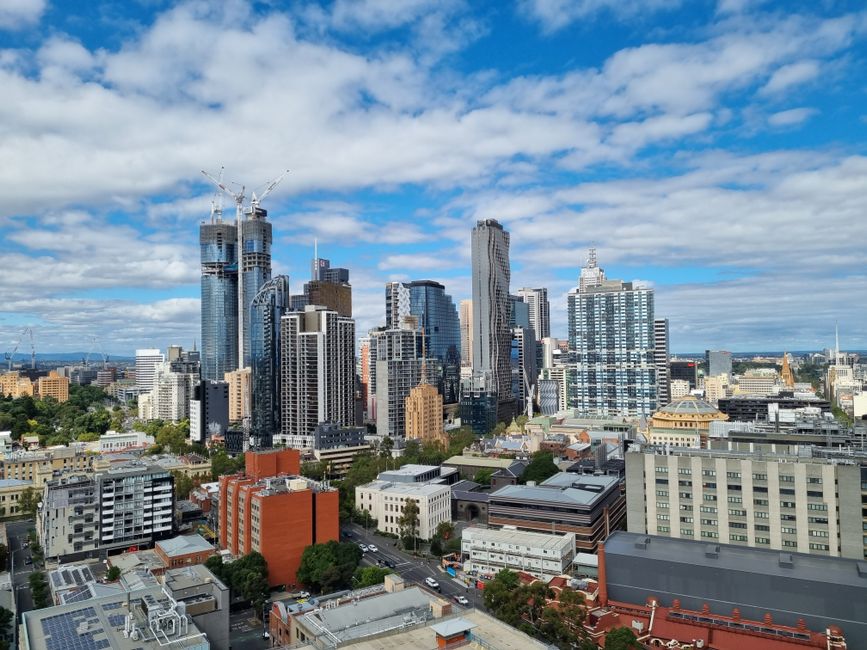
Melbourne's clean energy sector is entering a critical phase. While solar installations across metropolitan suburbs have surged—with residential rooftop capacity reaching 2.8 gigawatts by mid-2026—the real innovation frontier now sits in emerging technologies that promise to transform how the city stores, distributes, and consumes power.
Several major developments are reshaping the local landscape. In Footscray, a consortium of researchers at affiliated innovation hubs is scaling up next-generation lithium iron phosphate battery manufacturing, targeting production of 500 megawatt-hours annually by 2028. These batteries, cheaper and safer than older chemistries, are expected to halve grid storage costs within five years—a critical step toward 80 per cent renewable energy targets mandated across Victoria by 2030.
Meanwhile, perovskite solar cell research is accelerating at multiple institutions along the Parkville corridor. These crystalline materials promise efficiencies exceeding 30 per cent compared to conventional silicon's 22 per cent, and crucially, they're cheaper to manufacture. Pilot installations in the City of Melbourne are scheduled for early 2027, targeting council buildings and cultural institutions.
The hydrogen economy is also taking tangible shape. A new electrolyser pilot facility launching in Docklands will test green hydrogen production using renewable electricity, with plans to supply industrial users and potentially feed into transport networks. Industry sources suggest hydrogen-powered buses could be trialled on Melbourne's eastern suburbs routes by 2028.
Grid modernisation represents another frontier. Smart microgrid projects are being deployed across precincts including Southbank and Carlton, enabling neighbourhoods to generate, store, and trade renewable energy locally. Real-time data management systems—powered by artificial intelligence—will optimise energy flows and reduce peak demand spikes that currently strain the network during summer months.
Energy efficiency retrofitting is also accelerating. A wave of commercial buildings along Collins Street and in the CBD are installing advanced heat pump systems and dynamic glazing technologies that adapt to sunlight, with aggregate energy consumption reductions of 35-40 per cent achievable within two years.
The sector faces timing challenges. Supply chain disruptions and regulatory approval processes have delayed some projects by 12-18 months. Battery material sourcing remains volatile, with lithium and cobalt prices fluctuating significantly. Yet venture capital investment in Melbourne-based clean tech startups reached $340 million in 2025—a 45 per cent increase from 2024—suggesting sustained confidence in the city's trajectory.
For Melbourne residents and businesses, the practical implications are approaching fast. Within 18-24 months, substantially cheaper battery storage should make home solar systems economically viable for middle-income households. Grid reliability should improve through distributed generation. Industrial users may access lower-cost green hydrogen. The transition isn't incremental—it's architectural.
This article was compiled by AI from the sources linked above and screened before publishing. See our editorial standards.