Why Melbourne's Tech Ecosystem Stands Apart in the Global Innovation Race
A unique blend of biotech heritage, startup density, and deep financial ties to Asia is reshaping how the world thinks about innovation hubs.
3 min read
A unique blend of biotech heritage, startup density, and deep financial ties to Asia is reshaping how the world thinks about innovation hubs.
3 min read
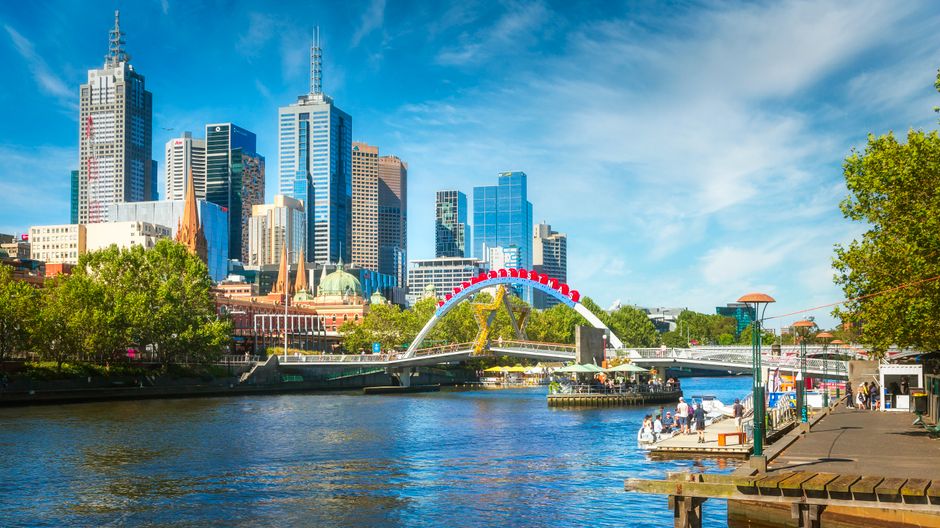
Melbourne's technology sector has quietly become one of the world's most distinctive innovation ecosystems—not by chasing Silicon Valley's playbook, but by forging its own path. The convergence of deep scientific research, proximity to Asian markets, and a sprawling startup culture across inner suburbs has created something genuinely different from San Francisco, London, or Berlin.
The numbers tell part of the story. Victoria's tech sector attracted AU$2.8 billion in venture capital investment last financial year, with Melbourne accounting for the lion's share. But raw investment figures mask what makes this city's ecosystem truly distinctive: the dominance of biotech and life sciences alongside traditional software innovation.
Parkville and Carlton have become Australia's answer to Cambridge or Basel, with the University of Melbourne, Walter and Eliza Hall Institute, and Peter MacCallum Cancer Centre driving research commercialisation at scale. This isn't just academic work—companies spun from these institutions are competing globally in therapeutics and medical technology. Meanwhile, the creative industries cluster that has long defined Melbourne's identity has morphed into a serious computational design sector, with studios across Fitzroy and Brunswick creating both entertainment IP and enterprise software.
The geographic distribution itself matters. Unlike concentrated tech precincts elsewhere, Melbourne's innovation sprawls across multiple neighbourhoods. Level, a tech hub in the CBD's laneways, competes for attention with Cremorne's growing fintech cluster and the gaming development studios scattered through Southbank and the inner north. This decentralisation has kept rents below San Francisco or London levels while maintaining critical mass—a crucial advantage for founders bootstrapping operations.
The Asian advantage cannot be overstated. Melbourne's standing as a gateway to Indian, Southeast Asian, and Chinese markets gives its startups natural distribution channels that American or European companies must pay dearly to access. Several Melbourne-founded companies have scaled faster in Asia than domestically, a pattern virtually unique among Commonwealth tech hubs.
Yet challenges remain. Talent retention is fierce, with ambitious founders and engineers constantly courted by overseas opportunities. The city's strength in capital-intensive sectors like biotech also means longer timeframes to meaningful returns—demanding patient capital that doesn't always materialise locally.
Still, as geopolitical tensions reshape global tech investment patterns and supply chains, Melbourne's combination of scientific depth, demographic diversity, and geographic positioning is increasingly valuable. The next five years will determine whether this distinctive ecosystem can translate its advantages into a genuinely world-leading innovation centre.
This article was compiled by AI from the sources linked above and screened before publishing. See our editorial standards.
About this article
Published by The Daily Melbourne
Daily brief
Free, in your inbox before 7am. Weekdays.
You might also like
Tech
Tech
Tech
Tech
Free daily briefing