Melbourne's startup ecosystem hits growth inflection as venture funding surges into mid-year
Local tech companies are attracting record investment levels, with Southbank innovation hubs reporting their busiest quarter in three years.
3 min read
Local tech companies are attracting record investment levels, with Southbank innovation hubs reporting their busiest quarter in three years.
3 min read
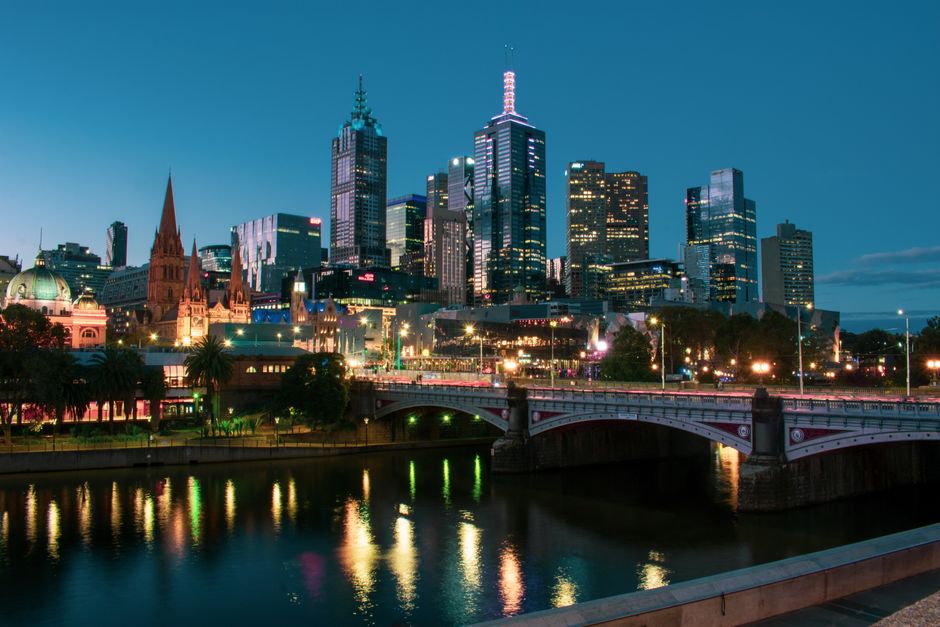
Melbourne's technology sector is experiencing a marked acceleration in 2026, with venture capital flowing into the city's startup ecosystem at rates not seen since the post-pandemic recovery period. Data from industry tracking organisations shows local early-stage companies have secured more than $340 million in funding commitments across the first half of the year—a 34 per cent increase on the same period last year.
The surge reflects renewed confidence in Australian innovation, with significant activity concentrated in the inner-city precincts that have become synonymous with Melbourne's tech identity. Along Flinders Lane and throughout the Southbank area, co-working spaces and innovation hubs are operating at near-capacity. Level, the collaborative workspace operator with facilities on King Street, reports occupancy levels have climbed to 87 per cent—up from 71 per cent at the same time last year. Equally, the Docklands precinct, anchored by ventures in the former industrial zone, continues to attract bootstrapped founders and growth-stage companies seeking affordable studio space.
The investment momentum is being driven by several converging factors. Software-as-a-service startups focusing on supply chain optimisation and fintech solutions have proven particularly attractive to institutional investors. Meanwhile, deep tech ventures in artificial intelligence and sustainable technology are drawing backing from both domestic family offices and international venture funds establishing regional outposts in Melbourne.
Telstra's expansion of its startup acceleration program, which now operates from the Telstra building on Spencer Street, has facilitated connections between early-stage founders and established corporate partners. Similarly, the University of Melbourne's innovation district in Grattan has continued to spin out technology companies, with at least twelve student-founded ventures currently in active fundraising conversations.
However, local operators caution against exuberance. While funding volumes are robust, individual deal sizes remain modest by global standards—median seed rounds sit between $800,000 and $1.2 million. Several founders report that securing Series A capital still requires migration to Sydney or international markets. Talent retention also remains a challenge, with skilled engineers and product managers frequently recruited by established tech firms offering higher salaries and equity packages in San Francisco and London.
Despite these constraints, Melbourne's tech community remains characterised by collaborative spirit. Industry events and networking sessions throughout June attracted record attendee numbers, with venues across the CBD fully booked for pitch nights and investor forums. For a city traditionally known for finance and professional services, the technology sector's growing prominence signals a meaningful economic diversification underway.
This article was compiled by AI from the sources linked above and screened before publishing. See our editorial standards.
About this article
Published by The Daily Melbourne
Daily brief
Free, in your inbox before 7am. Weekdays.
You might also like
Tech

Tech

Tech
Tech
Free daily briefing