Melbourne's fintech boom hits fever pitch as startups race to reshape banking
From Fitzroy to Southbank, a new wave of financial tech companies is disrupting traditional banking and attracting serious venture capital to the city.
3 min read
From Fitzroy to Southbank, a new wave of financial tech companies is disrupting traditional banking and attracting serious venture capital to the city.
3 min read
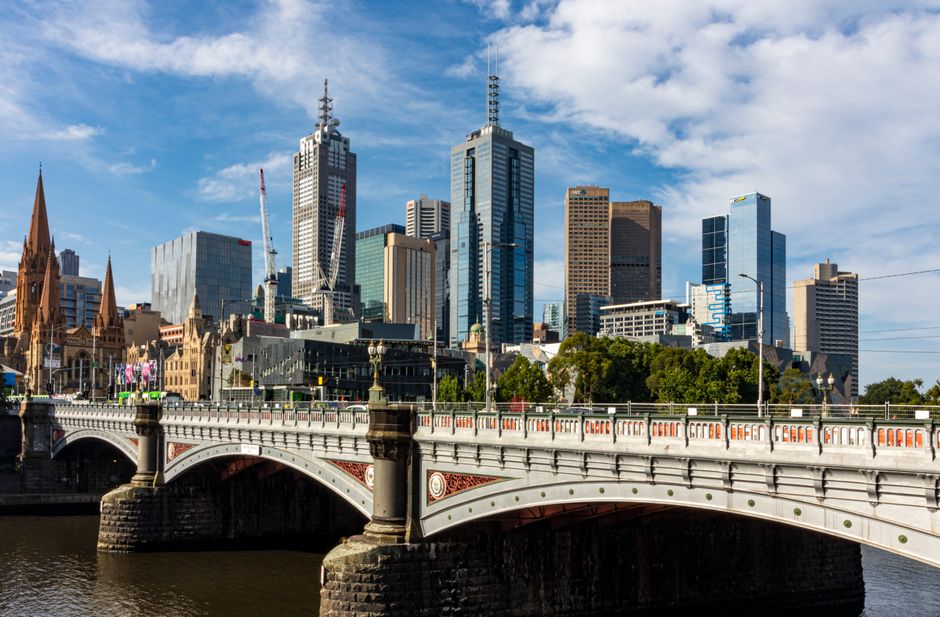
Melbourne's fintech ecosystem is experiencing unprecedented momentum, with a cluster of emerging startups reshaping how Australians manage money and access credit. The shift reflects a broader global trend toward digital-first financial services, but Melbourne's particular advantage—a concentration of talent, capital, and regulatory openness—is creating genuine competitive advantage for local innovators.
The Southbank precinct has solidified itself as the city's fintech heartland. Proximity to the Australian Securities Exchange and traditional banking headquarters on Collins Street has created unexpected synergies, as established institutions now actively partner with younger companies to modernise their operations. Several startups operating from converted warehouses in Fitzroy and Carlton North are building embedded finance platforms that allow small businesses to access working capital in hours rather than weeks, undercutting traditional bank timelines significantly.
Latest data from the Australian Fintech Association shows Melbourne-based companies now account for roughly 32% of venture capital flowing into fintech across Australia—a substantial shift from five years ago when Sydney dominated. Investment into local fintech ventures reached AUD $180 million in 2025, with particular enthusiasm around buy-now-pay-later alternatives and small-business lending platforms.
What's driving this moment? Several factors converge. First, regulatory sandboxes established by ASIC have given startups room to experiment with novel financial products without the compliance burden that once made Melbourne less attractive than lighter-touch jurisdictions. Second, the exodus of tech talent from San Francisco and London has brought experienced founders back home—or, in some cases, to Australia for the first time. Third, Melbourne's established financial services base means venture capitalists can tap domain expertise unavailable in pure tech hubs.
The competition is also intensifying. Payment infrastructure companies are expanding rapidly, embedded lending platforms are proliferating, and several well-funded teams are tackling superannuation and wealth management—historically conservative sectors now open to disruption. A handful of companies have already achieved unicorn status or near-unicorn valuations within the Australian context.
Not everything is frictionless. Regulatory uncertainty around cryptocurrency and stablecoin frameworks continues to constrain innovation in those areas. Additionally, talent retention remains a challenge—several promising Melbourne-founded companies have relocated their engineering teams to Singapore or Sydney in search of scale.
Yet the trajectory is clear. Melbourne's fintech scene has matured from scrappy startup culture to a genuine innovation cluster capable of attracting global attention and capital. The next 18 months will test whether that momentum can translate into sustained market leadership and, more importantly, genuine improvements to how everyday Australians access and manage their finances.
This article was compiled by AI from the sources linked above and screened before publishing. See our editorial standards.
About this article
Published by The Daily Melbourne
Daily brief
Free, in your inbox before 7am. Weekdays.
You might also like
Tech

Tech

Tech

Tech
Free daily briefing