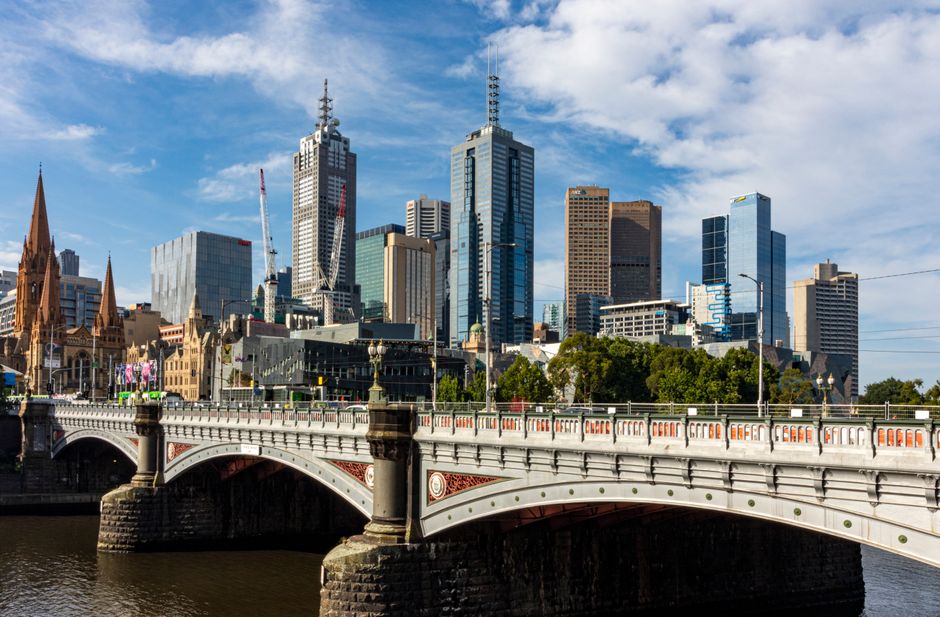
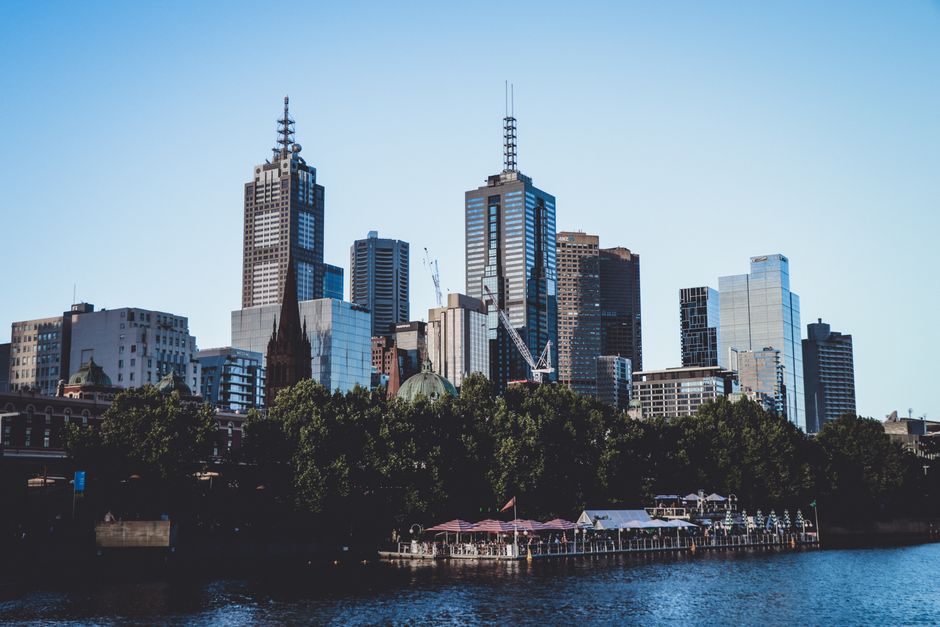
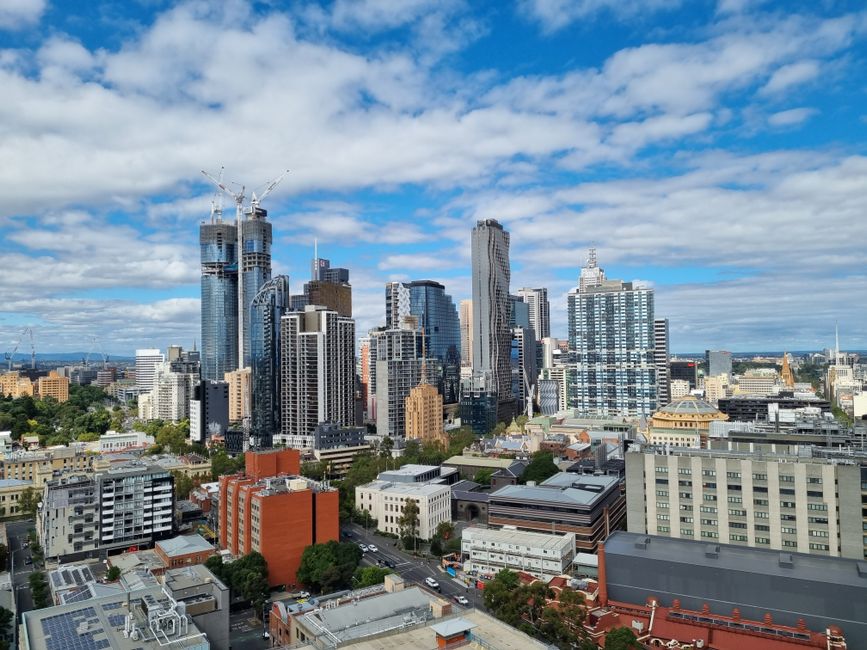
Melbourne's tech scene has never been tethered to a single office tower. Unlike San Francisco's obsessive downtown clustering or London's anchoring around Shoreditch, Australia's most innovative tech workers have spent the past six years perfecting something rarer: a genuinely distributed ecosystem that works.
Walk into any cafe in Fitzroy, Carlton North, or South Yarra on a Tuesday morning and you'll see the evidence. Laptops outnumber espresso cups. This isn't accidental—it's the natural evolution of a city where tech talent was already geographically dispersed, and the pandemic simply legitimised what locals already knew: great work doesn't require proximity.
The numbers tell a compelling story. Melbourne's co-working sector has diversified dramatically since 2020. While major players like WeWork contracted globally, local operators thrived by understanding what national chains missed: Melbourne's tech workers don't want corporate anonymity. They want community without obligation. Spaces like those clustered around Brunswick Street and the emerging hubs in Docklands have built loyalty by hosting niche communities—fintech collectives, climate-tech clusters, Indigenous tech networks—rather than generic desk farms.
This matters globally because Melbourne proved something Silicon Valley has struggled to accept: distributed doesn't mean disconnected. The city's tech firms—from established players to scrappy startups in Collingwood warehouses—have leveraged remote flexibility to recruit talent from Brisbane to Hobart without demanding relocation. That geographic arbitrage is reshaping talent markets worldwide.
Crucially, Melbourne's approach emphasises choice. A developer can work from home in Footscray three days a week, collaborate at a shared studio in Richmond on Thursdays, and attend a community event in Southbank on Friday. This flexibility has made the city magnetic for experienced technologists tired of burnout culture. It's also democratised opportunity—regional talent no longer needs to migrate to compete.
The co-working evolution reflects this. Average desk prices in premium Melbourne locations hover around $450-600 monthly for hot-desking, but the real differentiation comes from community programming. Technical workshops, founder circles, and cross-industry networking have become the actual product.
What makes Melbourne's model distinctive isn't technology—it's anthropology. The city's tech community has successfully rejected the false choice between remote isolation and office conformity. As global tech hubs increasingly reckon with employee burnout, cost pressures, and talent retention crises, Melbourne's suburban-distributed approach offers a tested alternative: work that fits around life, rather than life organised around work.
This article was compiled by AI from the sources linked above and screened before publishing. See our editorial standards.