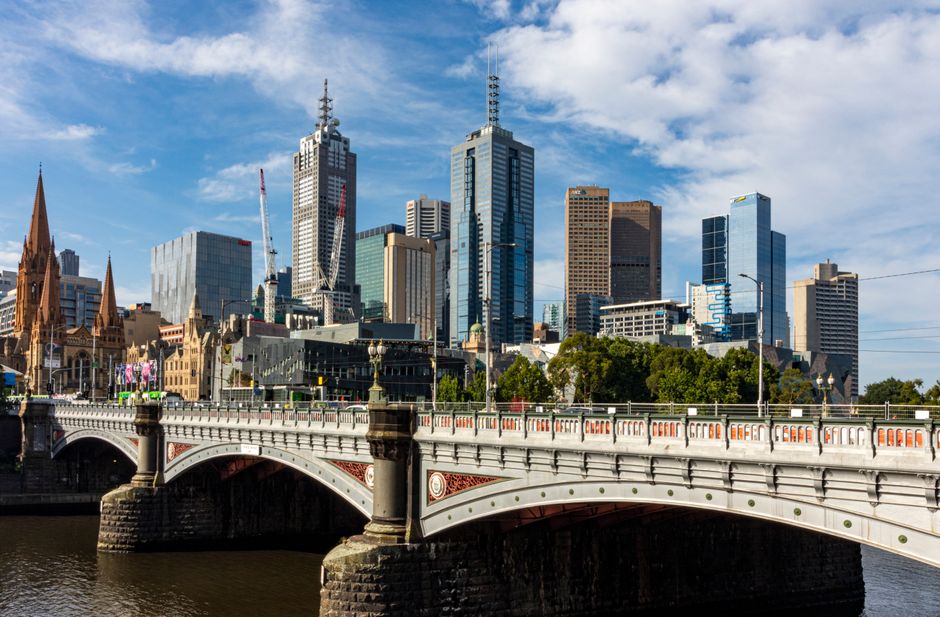
Melbourne's thriving cybersecurity ecosystem is preparing for a significant shift in how Australians protect their digital lives. Over the next 18 months, local startups and established tech firms are rolling out a suite of new products designed to address rising concerns about data privacy, identity theft, and AI-driven attacks—issues that have become increasingly urgent across the city's 5 million residents.
The roadmap reflects a broader industry pivot toward consumer-focused security rather than enterprise-only solutions. Companies headquartered in Southbank's tech precinct and scattered across Docklands are investing heavily in tools that make privacy accessible to everyday users. Several firms are developing zero-knowledge password managers designed to operate without storing decryption keys on company servers—a direct response to high-profile data breaches that have affected millions globally.
One emerging focus is AI-powered anomaly detection for home networks. As remote work remains embedded in Melbourne's professional culture, developers are building systems that learn individual household usage patterns and flag suspicious activity in real time. Beta testing has already begun with select users across inner-city postcodes, with commercial release anticipated by early 2027.
Another significant trend: decentralized identity verification. Several Melbourne-based teams are exploring blockchain-adjacent technologies that would allow users to prove their identity without handing sensitive documents to centralised authorities. This addresses growing frustration among younger Australians about data collection, particularly following recent regulatory scrutiny of digital platforms.
Pricing remains competitive. Early-stage products are expected to launch in the AUD $8–15 monthly subscription range for individual consumers, positioning them alongside established international competitors. Enterprise packages are projected to undercut US-based alternatives by 15–20 percent, a deliberate strategy to capture market share in Asia-Pacific.
The momentum builds on Melbourne's existing reputation as Australia's cybersecurity hub. The city now hosts over 180 dedicated security firms, according to industry association figures, with combined revenue exceeding AUD $2.3 billion annually. Local universities, including RMIT and the University of Melbourne, continue supplying skilled graduates keen to join homegrown ventures.
Challenges remain. Talent acquisition is fierce, with Sydney and Brisbane offering aggressive salary packages. Regulatory uncertainty around encryption standards in Australia also creates friction. Yet Melbourne's collaborative ecosystem—reinforced by regular meetups at venues like Hub Australia and Microsoft's Docklands campus—continues to foster innovation.
The next wave of products will ultimately test whether local cybersecurity firms can scale beyond regional success to become global players. If the current roadmap delivers, users across Melbourne and beyond may finally have privacy tools that match the sophistication of the threats they face.
This article was compiled by AI from the sources linked above and screened before publishing. See our editorial standards.