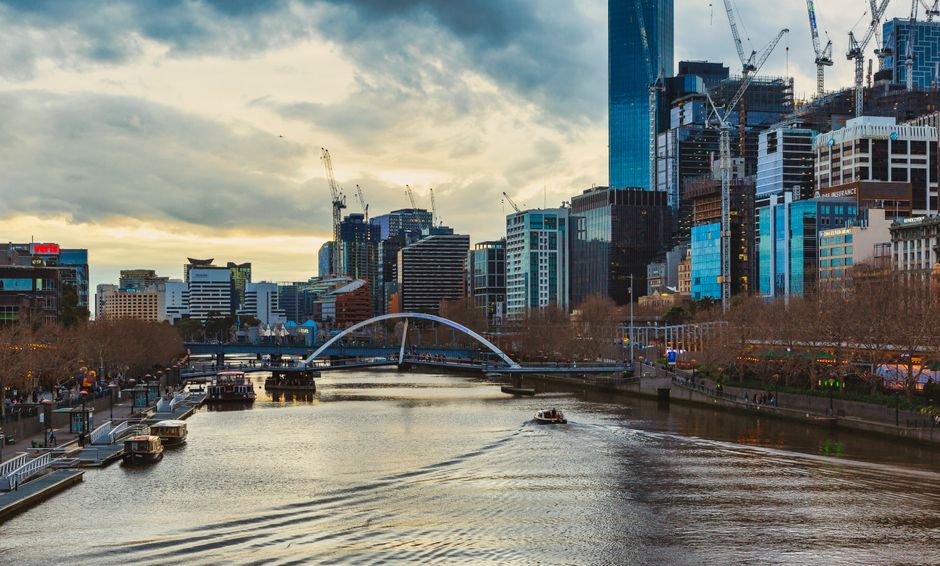
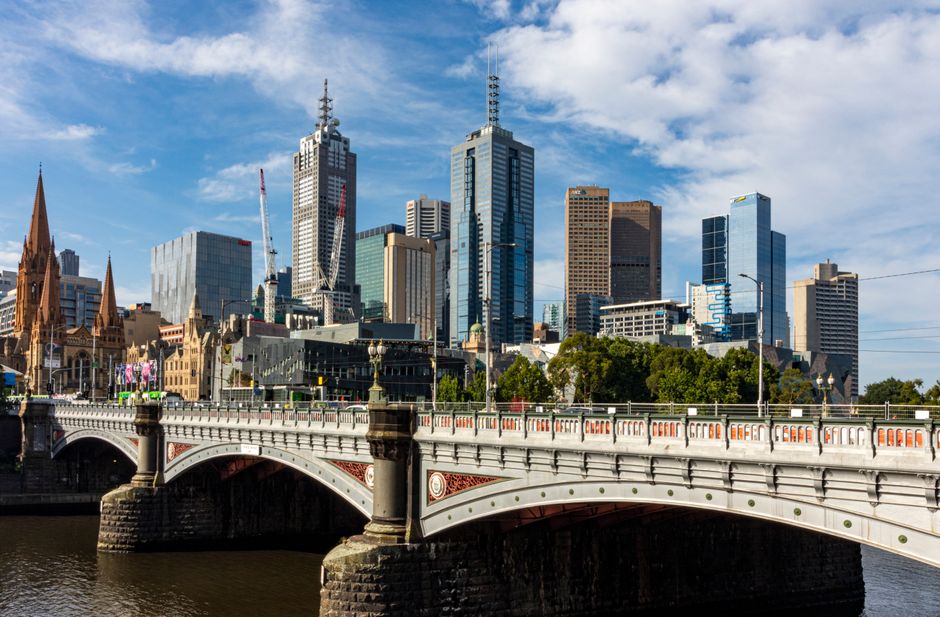
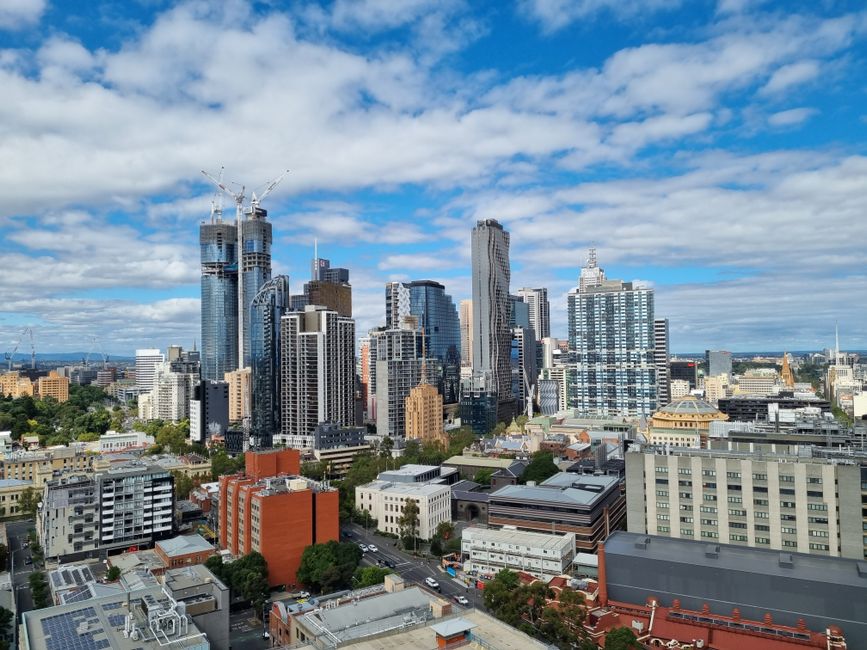
Melbourne's innovation corridor is buzzing with activity as major technology firms and startups finalise product roadmaps for 2027, signalling a pivotal year for local tech ambitions. Across Southbank's gleaming office towers and in the converted warehouses of Cremorne, development teams are racing to bring next-generation solutions to market.
One of the most anticipated developments centres on autonomous logistics platforms. Several Melbourne-based companies—including those incubated through the LaunchVic ecosystem—are targeting commercial deployment of AI-driven supply chain systems by mid-2027. These solutions aim to reduce delivery times across metropolitan Melbourne by up to 25 per cent, with trials already underway in suburbs like Coburg and Dandenong.
The hardware space is also heating up. A Fitzroy-based startup has signalled its intention to launch a consumer-grade sustainable computing device by March next year, manufactured using recycled materials and designed for the Asian-Pacific market. Early prototypes were showcased at the recent Melbourne Innovation Forum, attracting interest from major retailers.
Cloud infrastructure represents another frontier. Local providers are building data centre capacity at facilities in the outer suburbs, with completion expected by October 2027. These installations will support the growing demand from Australian enterprises increasingly moving workloads away from overseas servers, a shift accelerated by regulatory changes and latency concerns.
The Victorian government's Digital Economy Strategy, which allocated $200 million over four years, continues to catalyse development. Companies clustered around the Docklands precinct are leveraging these grants to accelerate projects in quantum-ready cybersecurity and blockchain applications for financial services.
Healthcare technology is another hotbed. Biotech firms operating from facilities near the University of Melbourne are preparing clinical software platforms designed to integrate with the National Health Service. Launch timelines suggest availability by late 2027 for select Australian hospitals.
However, talent remains a constraint. Recruitment agencies report that Melbourne tech companies are competing aggressively for engineers and product managers, with salaries for senior roles climbing toward $180,000–$220,000 annually—a 12 per cent increase year-on-year.
Industry observers suggest that 2027 could mark a turning point for Melbourne's global standing in deep tech. Unlike previous cycles driven by software-as-a-service models, this wave emphasises hardware, infrastructure, and AI—areas where local expertise and proximity to Asian markets confer genuine advantages. Whether these ambitious roadmaps translate into commercial success will depend on execution, funding availability, and the broader economic climate. But for now, Melbourne's tech ecosystem is undeniably bullish.
This article was compiled by AI from the sources linked above and screened before publishing. See our editorial standards.