Melbourne's startup ecosystem has spent the last decade chasing consumer apps and venture capital glory. But in 2026, something fundamental is shifting: government technology is becoming genuinely sexy.
The catalyst is straightforward. Australia's local government sector—managing everything from traffic lights to waste collection across metropolitan Melbourne—operates on infrastructure that's often decades old. City of Melbourne, Monash, Moreland and a dozen other councils are collectively spending hundreds of millions annually on digital transformation, yet most lack the internal expertise to build solutions themselves. That gap is precisely where Melbourne's tech community is moving in.
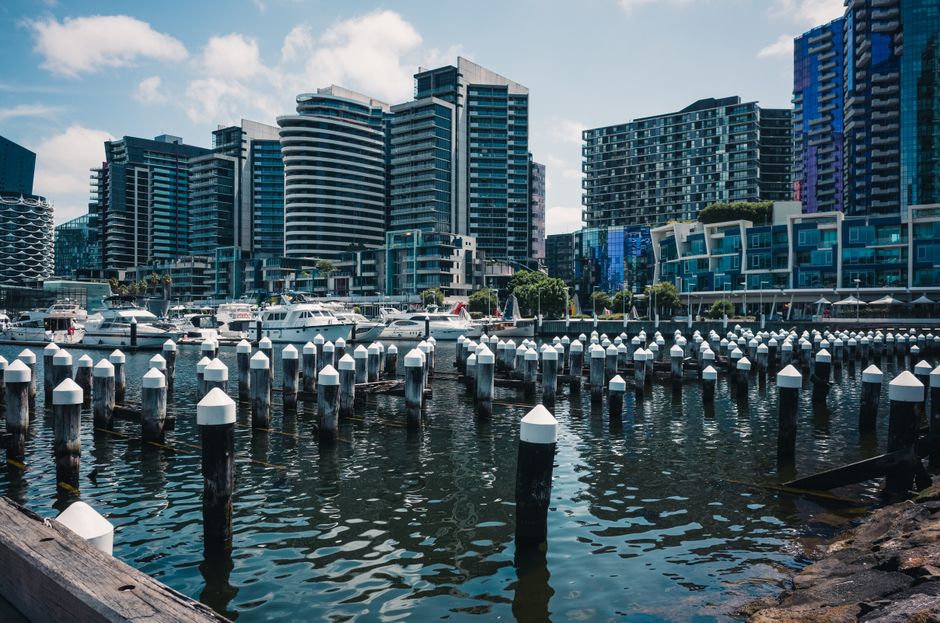
Startups clustered around the Fitzroy tech precinct and Docklands innovation hubs are now pitching smart city platforms to councils at a pace not seen before. Some are focused on citizen engagement—mobile apps that let residents report potholes, access permits, or check planning applications in real time. Others are building the backend: data analytics platforms that help councils optimize bin collection routes, predict infrastructure failures before they happen, or manage parking with dynamic pricing systems that MIT researchers estimate could reduce congestion by 15 percent.
The economics are compelling. A single mid-sized Melbourne council might spend $2-5 million annually on digital services. Multiply that across Victoria's 79 councils, and you're looking at a $150+ million addressable market—one where customers have reliable budgets and multi-year contracts, unlike the venture-backed startup world's feast-or-famine cycles.
"Gov tech used to be seen as boring," explains the thinking at several Southbank-based accelerators now actively recruiting founders specifically for this vertical. "Now it's seen as recession-proof."
There are real obstacles. Government procurement is glacially slow. Councils are risk-averse and prefer established vendors. Data privacy and security compliance create barriers to entry that require serious engineering resources. Yet the Melbourne startups winning traction are those treating these constraints as features, not bugs—building specifically for how government actually works, rather than trying to impose consumer-app logic onto risk-management-heavy institutions.
By mid-2026, at least three Melbourne-founded gov tech companies have secured contracts with multiple councils, and another half-dozen are in advanced pilot phases. None are unicorns yet. But in a market where profit often trumps growth-at-all-costs, they're building something potentially more durable: sustainable, boring, essential infrastructure for how 21st-century cities actually function.
That's the unglamorous revolution quietly reshaping Melbourne's startup scene right now.
This article was compiled by AI from the sources linked above and screened before publishing. See our editorial standards.