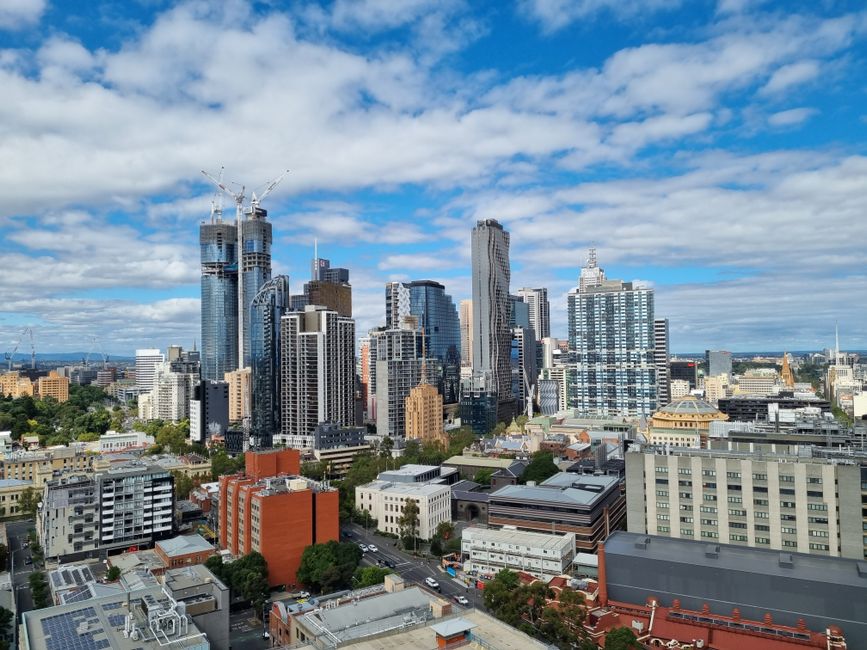
Sarah Chen used to spend 90 minutes each way commuting from her Northcote home to a desk in the CBD. Now, three days a week, she walks ten minutes to a coworking space on Smith Street, saving roughly eight hours of her life weekly. She's not alone in this calculation.
Melbourne's shift towards distributed work is reshaping how residents experience their city. The proliferation of coworking spaces—from Purpose Co. in Collingwood to The Commons in Footscray—has created what urban planners call "neighbourhood activation." These aren't just office alternatives; they're becoming the connective tissue of local communities.
Data from the Property Council of Australia suggests that flexible workspace in Melbourne has grown by 47% since 2022, with suburban precincts now accounting for nearly 40% of all coworking inventory. Monthly membership at established venues typically ranges from $299 to $599, significantly cheaper than CBD parking alone (averaging $450 monthly) or inner-city commercial leases.
The technology enabling this shift runs deeper than Zoom calls. AI-powered booking systems, high-speed fibre connections, and integrated collaboration platforms mean residents no longer view remote work as a temporary pandemic measure. It's become a permanent feature of Melbourne's working landscape.
Local councils are taking notice. Yarra City Council has fast-tracked planning approvals for flexible workspaces in Fitzroy and Brunswick, recognising that distributed workers spend money in local cafes, restaurants, and retail. Brunswick's cafe culture has already benefited, with several proprietors reporting increased daytime trade since coworking spaces opened nearby.
For many residents, the change addresses longstanding quality-of-life issues. Parents can now attend school pickups; tradies and creative professionals gain access to professional meeting spaces without CBD rental costs; and neighbourhood high streets see fresh foot traffic during off-peak hours.
However, challenges remain. Internet reliability varies across outer suburbs, and some workers report feeling isolated working solo in unfamiliar spaces. Transport infrastructure hasn't always kept pace—while CBD commute times have fallen, some outer-suburban residents still face patchy public transport to new coworking hubs.
As Melbourne's tech scene matures, the future of work increasingly looks less like centralised towers and more like distributed networks woven through the fabric of everyday neighbourhoods. For residents like Chen, that's not just a workplace transformation. It's reclaiming time, reconnecting with their suburbs, and fundamentally changing how they experience the city they call home.
This article was compiled by AI from the sources linked above and screened before publishing. See our editorial standards.