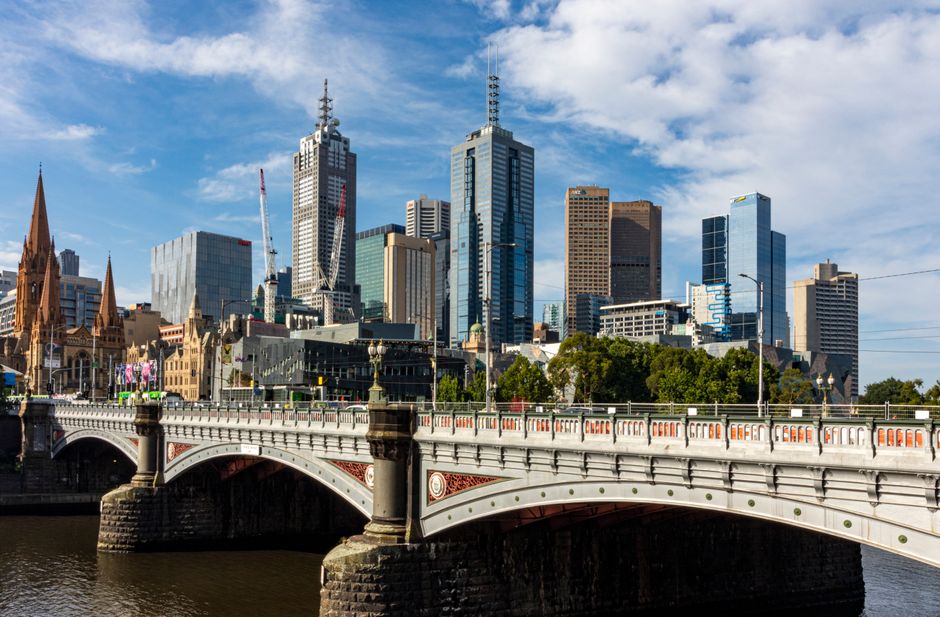
Melbourne's fintech ecosystem is entering a new phase of maturity, with industry leaders revealing product roadmaps that could reshape how Australians manage money over the next 18 months. From AI-driven credit assessment to embedded finance solutions, the innovations being developed in Southbank and the emerging tech precincts around Fitzroy are increasingly ambitious.
Several Melbourne-based fintechs operating from co-working spaces along Little Lonsdale Street and the growing innovation hubs near the Queen Victoria Market precinct are prioritising real-time settlement capabilities—a critical differentiator in a market where traditional banking still dominates transaction processing. Industry analysis suggests Australian consumers could save approximately $2.8 billion annually if real-time payments became the default standard, a figure that hasn't gone unnoticed by product development teams across the city.
The next wave of innovation is heavily weighted towards embedded finance—integrating financial services directly into non-financial platforms. Developers working in the Cremorne and Hawthorn East suburbs, where several venture-backed fintechs maintain offices, are building APIs and infrastructure that could allow retailers, logistics companies and utility providers to offer buy-now-pay-later options, insurance products and investment tools without requiring customers to leave their preferred apps.
Artificial intelligence is reshaping lending assessments. Rather than relying solely on traditional credit scores, emerging systems being built by Melbourne teams are analysing transaction patterns, income stability and behavioural data to make faster, more inclusive lending decisions. This approach could particularly benefit gig economy workers and migrants, segments that have historically struggled with conventional bank assessments.
Perhaps most significantly, several local fintechs are targeting the small business segment with integrated accounting and banking platforms. With Melbourne's CBD still recovering from pandemic disruption, tools that simplify cash flow management, automate invoicing and provide real-time financial visibility are gaining traction among owner-operators across inner suburbs like Carlton, South Yarra and Brunswick.
Regulatory clarity remains crucial. The Australian Prudential Regulation Authority's evolving sandbox framework continues to provide runway for experimentation, though fintechs acknowledge that navigating ASIC compliance requirements remains a significant development overhead.
The competitive landscape is intensifying. While established banks introduce digital-first features, fintech challengers are moving faster on niche products. The next 12 months will test whether Melbourne's innovation community can convert technical capability into sustainable, scalable businesses that genuinely challenge incumbents or occupy complementary market positions.
This article was compiled by AI from the sources linked above and screened before publishing. See our editorial standards.