Melbourne's technology sector is experiencing a tangible momentum shift as we move through mid-2026, with startup funding activity picking up pace and new innovation clusters emerging across multiple inner-city precincts.
The most visible change is happening in Fitzroy and Brunswick, where a concentration of early-stage software and hardware companies has transformed the traditionally bohemian neighbourhoods into genuine tech corridors. Brunswick Street's evolution from vintage bookshops and cafes to co-working spaces and developer hubs reflects a broader trend. Several venture-backed startups have signed multi-year leases in converted industrial buildings along the strip, with founders citing the creative ecosystem and proximity to Brunswick's established tech community as key draws.
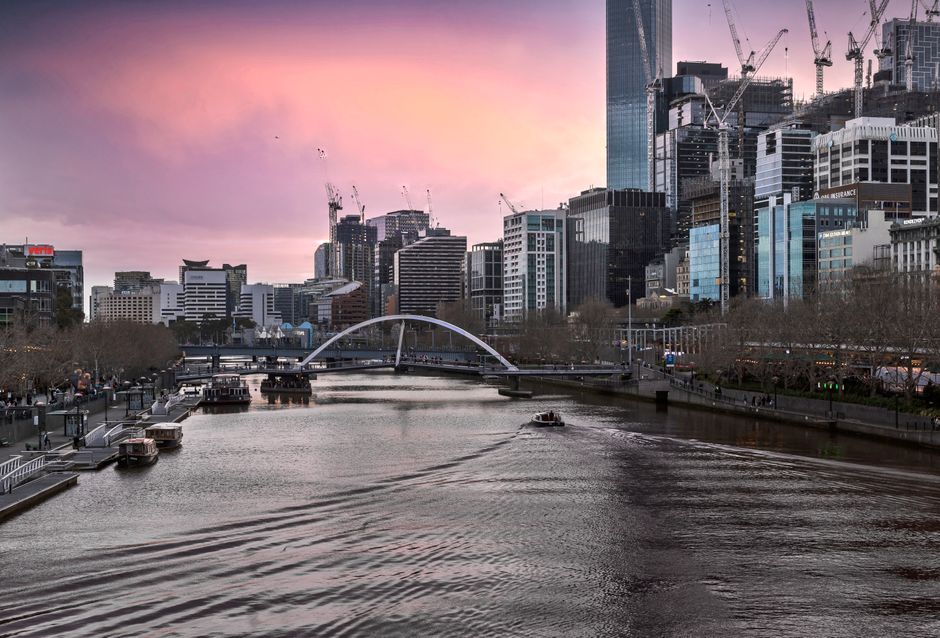
Meanwhile, the Docklands precinct continues its transformation as an innovation destination. Major Australian corporations have expanded their venture arms and innovation labs in the riverside district over the past eighteen months, signalling confidence in the broader ecosystem. These corporate-backed initiatives are creating a middle layer between university research and pure startup activity—an important ingredient for scale-up success that was previously lacking in Melbourne's pipeline.
Data from the Australian Technology Growth Foundation shows Melbourne's startup funding activity in the first half of 2026 reached approximately $385 million across Series A and B rounds, representing a 34 percent increase from the same period last year. While this trails Sydney's numbers, the trajectory is notable, particularly in deep-tech and climate-technology sectors where Melbourne has historically held competitive advantages.
The University of Melbourne's commercialisation programs in Parkville continue to feed talent and intellectual property into the market. Several AI and biotechnology startups have spun out from faculty research over the past two years, with some already reaching product-market fit stages. These deep-tech ventures tend to require patient capital and longer timelines than consumer software plays, but they're increasingly attracting institutional interest from both local and international investors.
Challenges remain. Talent acquisition remains competitive—Melbourne's tech salaries still lag Sydney's by an average 12 percent, making recruitment harder for growth-stage companies. Real estate costs in emerging tech precincts like Fitzroy have climbed sharply, with commercial rents rising 28 percent year-on-year. Some founders express concern that rising costs could push future growth to cheaper regional alternatives.
Still, the current momentum suggests Melbourne is consolidating its position as Australia's second-tier tech hub with genuine differentiation. The city's strengths—deep university research, manufacturing heritage, quality of life—are increasingly attracting founders and investors looking for alternatives to Sydney's saturated market.
This article was compiled by AI from the sources linked above and screened before publishing. See our editorial standards.