Melbourne's Remote Work Revolution Masks Growing Ethical Minefields
As coworking spaces proliferate across the CBD and inner suburbs, tech leaders grapple with surveillance, inequality and burnout behind the promise of flexibility.
3 min read
As coworking spaces proliferate across the CBD and inner suburbs, tech leaders grapple with surveillance, inequality and burnout behind the promise of flexibility.
3 min read
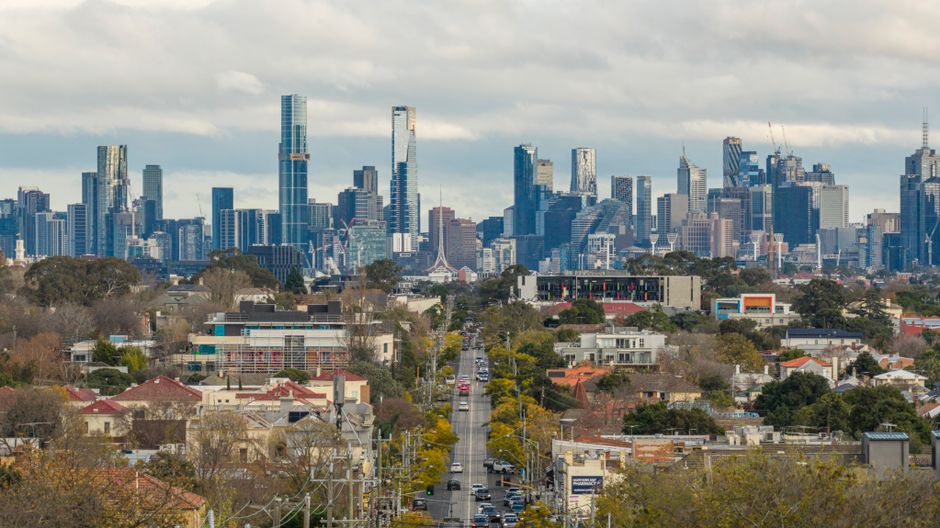
Walk through Cremorne or Fitzroy on any weekday morning and you'll spot them: young professionals, freelancers and startup founders streaming into shared office spaces with their laptops and coffee cups. Melbourne's coworking sector has exploded since the pandemic, with venues like those dotting Exhibition Street and Bridge Road now charging between $400 and $1,200 monthly for hot desks—a far cry from traditional office leases.
Yet beneath this glossy narrative of flexibility and community lurks a complex web of challenges that Melbourne's tech community is only beginning to confront seriously.
The promise is real enough. Surveys suggest 58 per cent of Australian knowledge workers now have some form of remote arrangement. For Melbourne's thriving startup ecosystem—clustered around Cremorne's tech corridor and Southbank's innovation precincts—this has unlocked geographic freedom and operational efficiency. But that freedom comes with hidden costs.
Surveillance is one. Many coworking platforms and employers now employ keystroke monitoring, location tracking and activity logging software. While framed as productivity tools, these systems raise uncomfortable questions about worker autonomy and privacy—particularly for contractors who lack formal employment protections. A Melbourne-based digital rights organisation flagged concerns in early 2026 about the normalisation of such monitoring in supposedly progressive workplaces.
Then there's equity. Remote work has fractured into two economies: well-paid knowledge workers enjoying flexibility, and precarious gig workers—couriers, cleaners, content moderators—trapped in hyper-monitored conditions. The coworking boom has created comfortable spaces for some while rendering others invisible.
Burnout presents another blind spot. The blurring of home and work, enabled by remote arrangements, has intensified mental health challenges. Without the natural boundaries of commuting or office closing times, workers—particularly those in Melbourne's demanding startup scene—report difficulty switching off.
There's also the environmental paradox. While remote work reduces commuting emissions, increased housing sprawl around Melbourne's fringe as workers move further out, combined with energy demands of always-on digital infrastructure, complicates the sustainability narrative.
Melbourne's tech leadership must address these contradictions head-on. This means transparent policies around workplace monitoring, portable benefits for freelancers, investment in mental health support, and honest acknowledgment of who benefits from distributed work models—and who gets left behind.
The future of work in Melbourne needn't be a choice between flexibility and ethics. But it requires moving beyond the coworking space's polished aesthetic to confront harder questions about power, inequality and human wellbeing.
This article was compiled by AI from the sources linked above and screened before publishing. See our editorial standards.
About this article
Published by The Daily Melbourne
Daily brief
Free, in your inbox before 7am. Weekdays.
You might also like
Tech
Tech
Tech
Tech
Free daily briefing